
Preparing for Heavy Traffic on the Way Back Home
Gusti Ayu Tita P
10 Agustus 2026
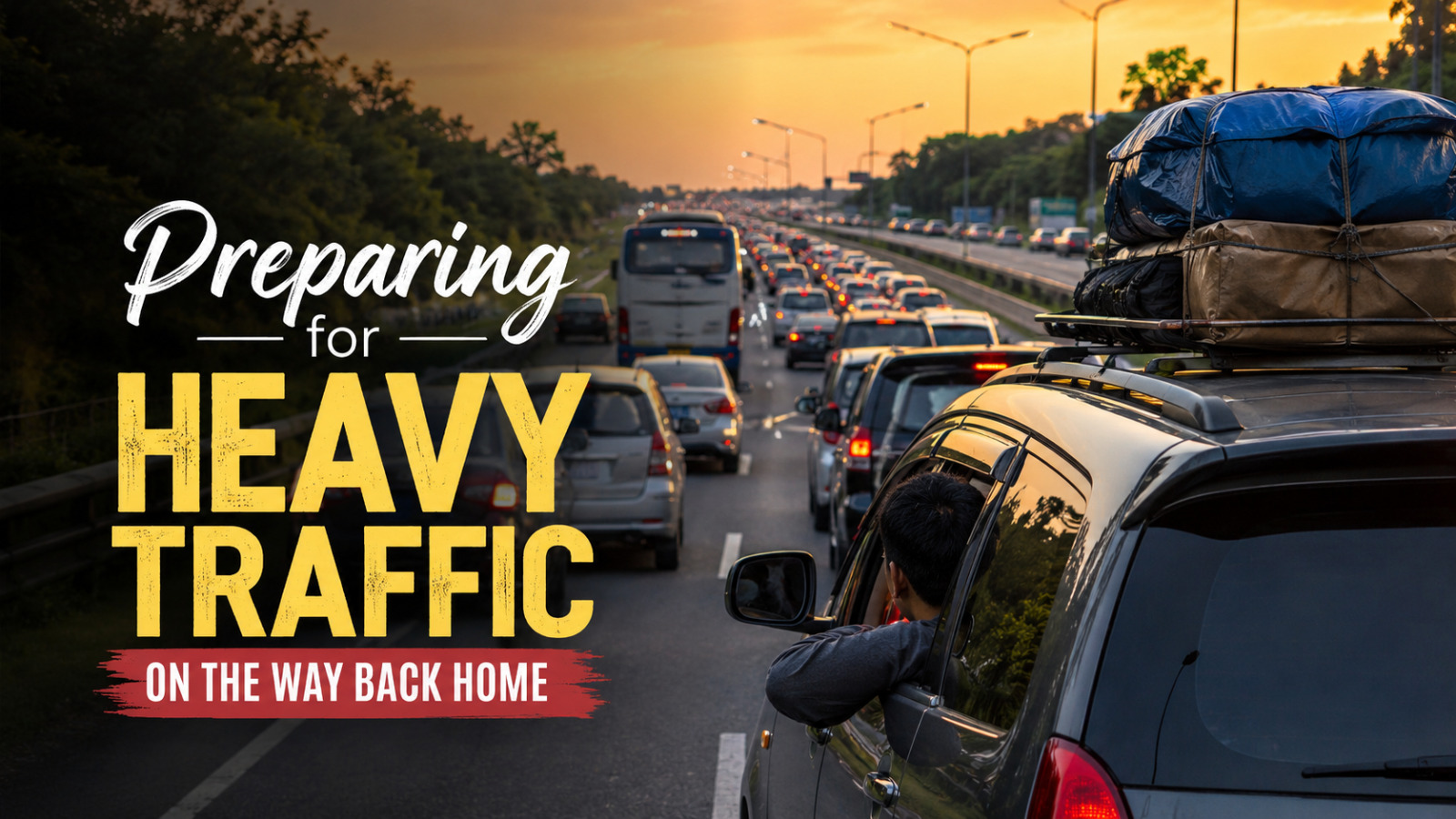
Returning home after a holiday can be challenging, especially when thousands of travelers use the roads at the same time. Heavy traffic, long travel times, and crowded rest areas can make the journey more tiring than expected. Proper preparation can help travelers stay comfortable and reduce unnecessary risks during the trip. By planning the departure time, checking the vehicle, and preparing essential supplies, travelers can make their return journey safer and smoother.
UNDERSTANDING THE CHALLENGES OF HEAVY RETURN TRAFFIC
Heavy return traffic usually occurs when many travelers leave holiday destinations within a similar period. Major roads, toll highways, transportation terminals, and popular routes can become crowded as people return to their homes. Traffic congestion can significantly increase travel time, making a journey that normally takes several hours much longer. Drivers may also experience fatigue because of long periods behind the wheel. Understanding these challenges helps travelers prepare before starting their journey.
Another important factor is the condition of the roads and weather. Rain, road construction, accidents, and vehicle breakdowns can make congestion worse. Travelers should remain patient and avoid aggressive driving when traffic becomes slow. Checking traffic information before departure can also help identify potential delays. With better preparation, travelers can respond more calmly to unexpected conditions.
CHOOSE THE RIGHT TIME TO TRAVEL
Choosing an appropriate departure time is one of the most effective ways to deal with heavy traffic. Travelers should consider leaving outside the busiest travel periods whenever their schedule allows. Early morning or later evening departures may provide an alternative to peak traffic, although road conditions can vary by route. Checking traffic updates shortly before leaving can provide useful information about current congestion. A flexible departure schedule can make the journey more manageable.
Travelers should also avoid making decisions based only on assumptions about traffic. Real time traffic information can show congestion, accidents, road closures, and other obstacles that may affect the journey. If a major route is heavily congested, an alternative route may be worth considering. However, travelers should choose alternative roads carefully because smaller roads may also become crowded during the return period. Good timing combined with reliable information can help reduce unnecessary delays.
CHECK YOUR VEHICLE BEFORE DEPARTURE
A vehicle inspection is essential before beginning a long journey home. Drivers should check the tires, brakes, engine oil, coolant, lights, battery, and windshield wipers before departure. Tire pressure should follow the vehicle manufacturer's recommended level, especially when the car carries several passengers and luggage. Any unusual sounds or warning indicators should be addressed before starting the trip. A small mechanical problem can become a serious issue when traveling through heavy traffic.
Drivers should also make sure that important emergency equipment is available. A spare tire, jack, warning triangle, first aid kit, and basic tools can be useful if an unexpected problem occurs. Fuel or battery levels should also be sufficient for the planned route, particularly when long queues are expected at service areas. Electric vehicle users should plan charging stops in advance when traveling long distances. A well-prepared vehicle provides greater confidence throughout the journey.
PREPARE ESSENTIAL SUPPLIES FOR THE JOURNEY
Long return trips can become uncomfortable when travelers do not have enough food, water, or other necessities. Bringing drinking water, light snacks, personal medicine, phone chargers, and important documents can make the trip more convenient. Families traveling with children should prepare additional items such as extra clothes, simple entertainment, and snacks. Keeping essential items within easy reach can prevent unnecessary stops. Good preparation is especially useful when rest areas are crowded.
Travelers should also prepare their digital devices before leaving. A fully charged smartphone and portable power bank can help travelers access maps, traffic updates, and emergency contacts. Downloading maps in advance may be helpful when the internet connection becomes unstable in certain areas. Travelers should also keep payment methods ready for toll roads, parking, fuel, and other travel expenses. These simple preparations can save time during a busy return journey.
PRIORITIZE SAFETY DURING THE RETURN JOURNEY
Safety should always be the main priority when dealing with heavy traffic. Drivers should maintain a safe following distance, obey speed limits, and avoid sudden lane changes. Overtaking aggressively rarely saves significant time when roads are already congested. Drivers should also avoid using mobile phones while driving because distractions can increase the risk of accidents. Staying calm is particularly important when surrounding vehicles are moving slowly or changing lanes frequently.
Fatigue is another serious concern during long-distance travel. Drivers should take regular breaks instead of continuing to drive when they feel sleepy or physically exhausted. If possible, passengers who are qualified to drive can take turns with the main driver. Rest areas can be used to stretch, eat, drink, and recover before continuing the trip. A slightly longer journey is always preferable to taking unnecessary risks on the road.
CONCLUSION
Preparing for heavy traffic on the way back home requires more than simply choosing a departure time. Travelers should check traffic conditions, inspect their vehicles, prepare essential supplies, and plan suitable rest stops before starting the journey. Drivers also need to remain patient and avoid risky behavior when roads become crowded. Proper preparation can reduce stress and make long-distance travel more comfortable. With careful planning and responsible driving, travelers can complete their post-holiday journey safely and confidently.
About the Author
Gusti Ayu Tita P
Author — STEKOM University
An active author focused on academic issues, educational technology, and human resource development in the campus environment.















