
Public Transit and Its Role in Reducing Traffic
Gusti Ayu Tita P
11 Agustus 2026
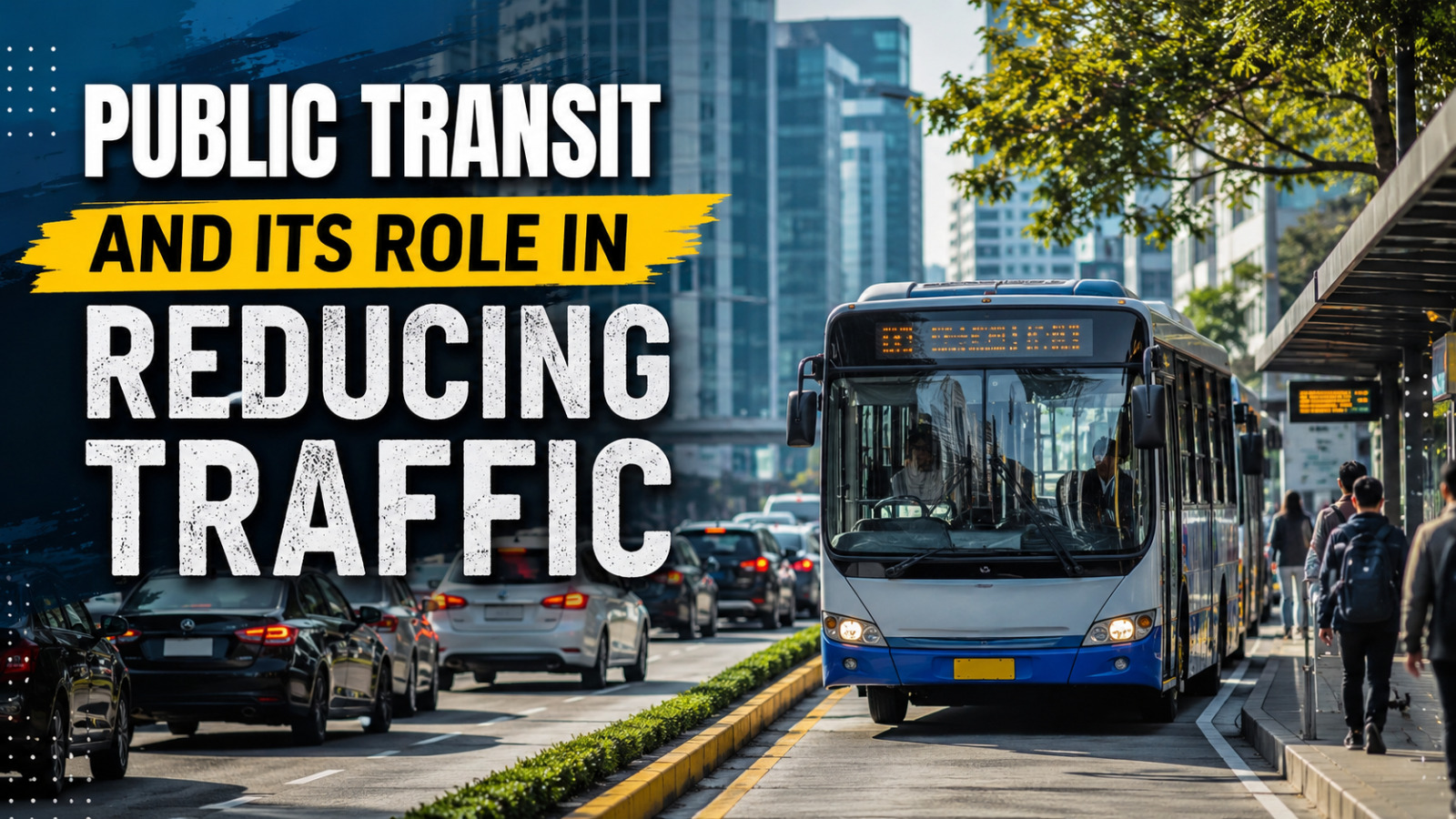
Traffic congestion is one of the most common problems in growing cities around the world. As the number of private vehicles continues to increase, roads can become crowded, travel times become longer, and air pollution can worsen. Public transit offers an important solution by moving many passengers in fewer vehicles. Buses, trains, subways, and other shared transportation services can help reduce the number of private cars on busy roads. For this reason, improving public transportation is an important part of creating more efficient and sustainable cities.
HOW PUBLIC TRANSIT HELPS REDUCE THE NUMBER OF VEHICLES
One of the main ways public transit reduces traffic is by carrying many people at the same time. A single bus or train can transport dozens or even hundreds of passengers, replacing many individual car or motorcycle trips. When more people choose public transportation, fewer private vehicles need to use the road. This can create more space for essential trips and reduce pressure on major roads during busy hours. Efficient transit systems are especially valuable in densely populated urban areas where road space is limited.
Public transportation can also encourage people to leave their private vehicles at home. Reliable schedules, convenient routes, and comfortable services make this choice more attractive to passengers. High-capacity transportation such as commuter trains and urban rail systems can be particularly effective because they can move large numbers of people without requiring additional road space. As public transit becomes easier to access, more residents may consider it a practical alternative to driving. This shift can gradually contribute to lower traffic congestion.
IMPROVING ACCESS TO RELIABLE PUBLIC TRANSPORTATION
The effectiveness of public transit depends heavily on its availability and reliability. People are more likely to use buses, trains, or other services when they can reach stations easily and depend on consistent schedules. Reliable public transit reduces uncertainty and allows passengers to plan their daily activities more efficiently. If services are frequently delayed, overcrowded, or difficult to access, people may return to using private vehicles. Therefore, cities need to focus not only on expanding transit networks but also on improving service quality.
Good public transportation should connect residential areas with workplaces, schools, shopping centers, and other important destinations. Integrated routes and convenient connections can make it easier for passengers to complete trips without using a private vehicle. Cities can also improve access through pedestrian paths, bicycle facilities, park-and-ride areas, and well-designed transit stations. These supporting facilities make public transportation more practical for different groups of passengers. Better connectivity can increase ridership while helping reduce unnecessary vehicle trips.
THE ROLE OF TECHNOLOGY IN REDUCING URBAN CONGESTION
Digital technology has changed the way people use public transportation. Mobile applications can provide information about routes, schedules, fares, and vehicle locations in real time. Real-time travel information helps passengers make better decisions and can reduce the frustration caused by unexpected delays. Digital payment systems can also make boarding faster and more convenient. These improvements can encourage more people to consider public transit for their daily journeys.
Technology can also help transportation authorities manage traffic and public transit operations more effectively. Data from vehicles, stations, and passenger services can be used to identify crowded routes and improve scheduling. Smart transportation systems can help operators adjust services based on passenger demand and traffic conditions. Better data management may also improve fleet efficiency and reduce unnecessary vehicle operations. When technology is combined with good planning, public transit can become faster, more reliable, and more attractive to urban residents.
PUBLIC TRANSIT AND ENVIRONMENTAL BENEFITS
Traffic congestion is not only a transportation problem but can also contribute to environmental challenges. Large numbers of cars and motorcycles operating on crowded roads can increase fuel consumption and emissions. Public transportation can reduce emissions per passenger when many people share the same vehicle. This is especially important when transit services use efficient vehicles or cleaner energy sources. Reducing unnecessary private vehicle use can therefore support efforts to improve urban air quality.
Sustainable public transportation can also support broader environmental goals. Cities can invest in electric buses, rail systems, cleaner fuels, and energy-efficient infrastructure to reduce the environmental impact of transportation. Cleaner transit options can provide residents with practical alternatives to private vehicles while supporting long-term sustainability. However, environmental benefits depend on factors such as vehicle efficiency, passenger numbers, and the energy used to operate the system. Well-planned public transit can therefore become an important part of a city's strategy for cleaner mobility.
ECONOMIC AND SOCIAL BENEFITS OF LESS TRAFFIC
Reducing traffic congestion can provide important economic benefits for cities and their residents. Long traffic delays can waste time, increase fuel costs, and make business deliveries less efficient. Efficient public transit can help people reach workplaces, schools, and commercial areas more predictably. Businesses may also benefit when employees and customers can travel more easily. A well-connected transportation network can support productivity and economic activity across urban areas.
Public transit can also improve access for people who do not own private vehicles. Students, older adults, workers, and low-income residents may depend heavily on affordable transportation to reach essential services. Affordable public transportation can provide greater access to employment, education, healthcare, and other opportunities. This makes transportation an important factor in creating more inclusive cities. When people can move around the city more easily, communities can become better connected.
CHALLENGES IN MAKING PUBLIC TRANSIT MORE EFFECTIVE
Although public transportation can help reduce traffic, simply adding more buses or trains does not automatically solve congestion. Cities need to consider population growth, travel patterns, land use, infrastructure capacity, and passenger demand. Poorly planned transit networks may have limited impact if routes do not serve the areas where people actually need to travel. Overcrowding and unreliable services can also discourage potential passengers. Effective planning is therefore essential for achieving meaningful results.
Governments and transportation operators also need to maintain existing infrastructure while expanding services. Regular maintenance, sufficient funding, trained workers, and strong management are important for keeping public transit reliable. Passenger safety, comfort, and accessibility should also remain key priorities. When these factors are addressed together, public transportation can become a stronger alternative to private vehicles. Long-term investment and cooperation between communities and authorities are necessary to create a more efficient transportation system.
CONCLUSION
Public transit plays an important role in reducing traffic by moving large numbers of people through shared transportation services. Reliable buses, trains, and other public transportation options can reduce dependence on private vehicles and make better use of limited road space. Technology, convenient routes, affordable fares, and comfortable services can further encourage people to use public transit. The benefits extend beyond traffic reduction because better transportation can also support cleaner air, economic activity, and wider access to essential services. With proper planning and continuous investment, public transportation can help cities build a more efficient, connected, and sustainable future.
About the Author
Gusti Ayu Tita P
Author — STEKOM University
An active author focused on academic issues, educational technology, and human resource development in the campus environment.















