
Reclaiming Free Time Through the JOMO Mindset
Gusti Ayu Tita P
7 September 2026
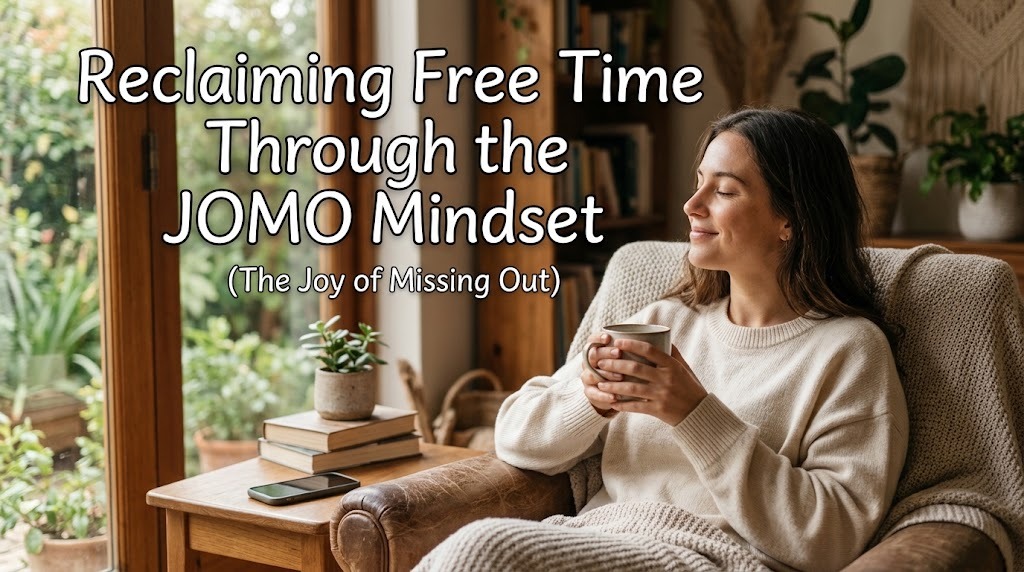
Free time has become increasingly difficult to protect in a busy digital lifestyle. People often spend their spare moments checking social media, replying to messages, watching videos, or following online trends. Even when there is no urgent responsibility, the feeling of needing to stay connected can make relaxation difficult. The JOMO or Joy of Missing Out mindset offers a way to reclaim free time by choosing what deserves attention and what can be ignored. This approach helps people create more space for rest, hobbies, relationships, and personal activities.
UNDERSTANDING THE JOMO MINDSET
JOMO stands for Joy of Missing Out and describes the positive feeling of being comfortable with not participating in everything. Instead of worrying about what others are doing, people can focus on activities that provide genuine value. JOMO encourages intentional choices rather than decisions driven by the fear of missing out. This can include skipping unnecessary events, reducing social media use, or spending a quiet evening at home. The purpose is to make time feel more personal and meaningful.
JOMO does not mean avoiding social interaction or technology completely. Digital platforms can still be useful for communication, education, work, and entertainment. The key is deciding when connection is useful and when disconnection is more valuable. This allows people to remain connected without giving every digital activity control over their free time. A balanced approach makes JOMO practical for everyday life.
WHY FREE TIME OFTEN DISAPPEARS?
Free time can disappear through small digital habits. Checking notifications, browsing social media, watching short videos, and responding to messages may take only a few minutes at first. However, these activities can gradually consume a large part of the day. Unplanned screen use can turn available free time into hours of passive consumption.
Another problem is the belief that every free moment should be filled. People may feel uncomfortable when they have nothing planned and immediately look for another activity. Constant stimulation can make genuine rest feel unfamiliar. JOMO challenges this habit by showing that an empty schedule can also have value. Free time does not always need to be filled with entertainment or productivity.
RECOGNIZING DIGITAL DISTRACTIONS
The first step toward reclaiming free time is identifying what takes it away. Social media, entertainment platforms, online shopping, and constant messaging can all become distractions when used without clear limits. Understanding which digital activities consume the most time makes it easier to change them. People can observe their habits instead of automatically reaching for their phones. This awareness creates an opportunity to make better choices.
Digital distractions are not always harmful by themselves. The problem occurs when they interfere with important activities or personal rest. Intentional technology use is more valuable than simply reducing technology use. People can choose specific times for entertainment and communication. This creates clearer boundaries between digital activity and personal time.
LIMITING SOCIAL MEDIA USE
Social media is one of the easiest ways to lose track of time. Endless feeds provide a continuous stream of new content that encourages people to keep scrolling. Setting reasonable limits can help prevent social media from taking over free time. People can choose specific periods for checking their accounts instead of opening them whenever they feel bored. This simple change can create additional time for offline activities.
It can also help to remove unnecessary notifications. Alerts can encourage people to return to social media even when they were doing something else. Reducing notifications gives people greater control over when they want to engage online. Important communication can remain available while less useful alerts are disabled. This creates a quieter digital environment.
LEARNING TO MISS OUT COMFORTABLY
The idea of missing out can create unnecessary anxiety. People may worry about missing a social event, online trend, conversation, or opportunity. JOMO changes the meaning of missing out by showing that not participating can sometimes be a positive choice. Skipping something can create time for activities that are more important personally. This makes missing out feel less like a loss.
Comfort with missing out develops gradually. People can start by declining activities that do not genuinely interest them or by ignoring content that provides little value. Each intentional choice can strengthen confidence in protecting personal time. Over time, the need to follow everything may become weaker. This makes free time easier to reclaim.
MAKING REST A REAL PRIORITY
Many people treat rest as something that can only happen after every task is completed. Because daily responsibilities are rarely finished completely, rest may continually be postponed. JOMO encourages people to recognize rest as a legitimate part of a balanced life. Rest can include sleeping, relaxing, reading, listening to music, or simply doing nothing. These activities can help restore energy.
Rest does not have to produce a measurable result. A quiet period can be valuable even when no task is completed during it. Allowing yourself to rest without guilt can make free time more enjoyable. It can also prevent the schedule from becoming unnecessarily exhausting. Reclaiming free time therefore starts with accepting that rest has value.
REPLACING SCROLLING WITH MEANINGFUL ACTIVITIES
Reducing screen time becomes easier when people have enjoyable alternatives. Reading, exercising, cooking, gardening, drawing, walking, or spending time with family can provide meaningful ways to use free time. Replacing automatic scrolling with activities that genuinely interest you can make reclaimed time feel rewarding. The activity does not need to be highly productive. It simply needs to provide value or enjoyment.
Offline activities can also improve awareness of the present moment. Without constant digital updates, people may notice their surroundings and experiences more clearly. Simple activities can become more satisfying when attention is fully directed toward them. This can help free time feel longer and more meaningful. JOMO creates an opportunity to rediscover these everyday experiences.
SETTING PERSONAL PRIORITIES
Free time becomes easier to protect when people understand what matters most. Priorities may include family, health, education, career, hobbies, friendships, or personal development. Clear priorities help people decide which activities deserve their limited time. Activities that do not support these priorities can be reduced or skipped. This creates more room for meaningful experiences.
Priorities are different for everyone and can change over time. During a demanding period, someone may prioritize rest, while another period may require more focus on work or education. JOMO allows people to adjust their use of free time according to their current needs. There is no universal schedule that works for everyone. Personal priorities should guide the choices.
LEARNING TO SAY NO
Reclaiming free time often requires saying no to unnecessary commitments. People may accept invitations because they are afraid of disappointing others or being left out. A respectful no can protect time and energy for activities that matter more. Declining one invitation does not mean rejecting a relationship. It simply means the activity may not fit current priorities.
Saying no can become easier with practice. Before accepting an invitation, people can consider whether they genuinely want to participate and whether they have enough energy. A short pause before saying yes can prevent unnecessary commitments. This creates greater control over personal schedules. Over time, people can become more confident about protecting their free time.
CREATING PHONE FREE MOMENTS
Phone-free moments can help people reconnect with their surroundings. Meals, walks, hobbies, and conversations can become opportunities to put devices aside. Creating regular phone-free periods can reduce the habit of checking screens automatically. These moments do not need to be long to be useful. Even short breaks can provide valuable mental space.
Phone-free time can also improve the quality of social interactions. Conversations may feel more meaningful when attention is not divided between people and devices. Being fully present can make everyday experiences more enjoyable. This is one of the practical ways JOMO can improve free time. It shifts attention from digital updates toward real-life experiences.
PROTECTING FREE TIME FROM WORK
Digital communication can make it difficult to separate work from personal life. Work messages and emails may continue to arrive after working hours. Setting reasonable boundaries around work communication can protect personal time. Nonurgent messages can often wait until the next appropriate working period. This creates a clearer transition between work and rest.
The same principle can apply to study and other responsibilities. A schedule that contains no personal breaks can eventually become overwhelming. Protecting free time helps maintain energy for important responsibilities. Personal time should not always be the first thing sacrificed when life becomes busy. JOMO encourages people to give free time a legitimate place in their routines.
BUILDING A JOMO BASED ROUTINE
A JOMO-based routine does not need to be complicated. People can begin with one phone-free period, a limited social media schedule, or a regular block of personal time. Small and consistent changes can gradually transform the way free time is used. The routine should fit individual responsibilities and lifestyle. A realistic plan is more sustainable than extreme digital restrictions.
It is also important to remain flexible. Some days may require more digital activity, while others may offer more opportunities to disconnect. JOMO is about conscious choices rather than strict rules. People can adjust their routines without feeling that they have failed. The main goal is to maintain control over personal time.
CONCLUSION
Reclaiming free time through the JOMO mindset means choosing to step away from unnecessary activities and focus on what genuinely matters. Limiting social media, reducing digital distractions, protecting rest, saying no, and creating phone-free moments can help people regain control of their schedules. JOMO does not require complete disconnection from technology or society. Instead, it encourages people to participate intentionally and feel comfortable missing things that do not add value. Ultimately, free time becomes more meaningful when people stop trying to follow everything and start choosing how they truly want to spend their time.
About the Author
Gusti Ayu Tita P
Author — STEKOM University
An active author focused on academic issues, educational technology, and human resource development in the campus environment.



