Road Infrastructure and Regional Economic Growth
Gusti Ayu Tita P
11 Agustus 2026
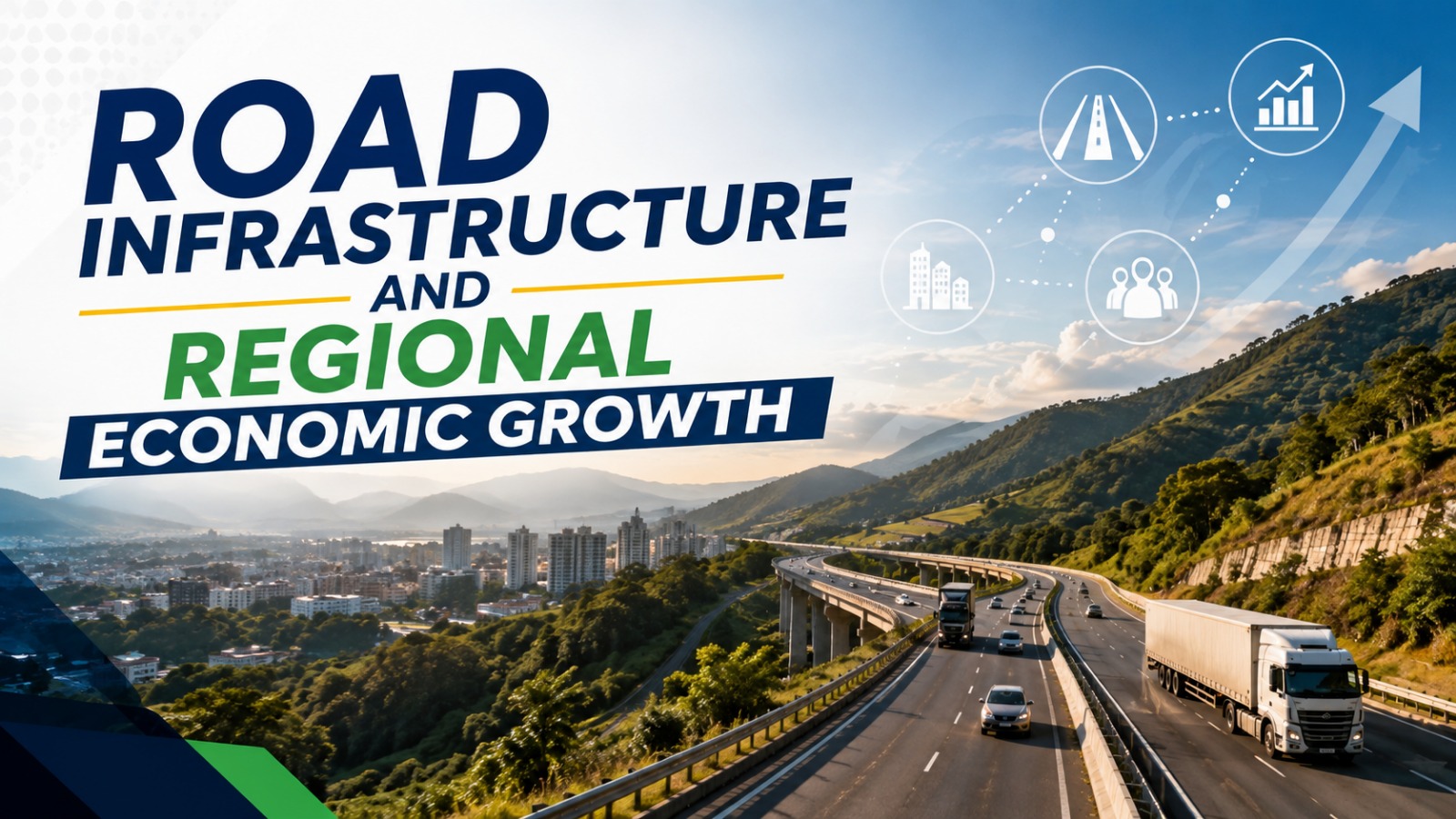
Road infrastructure is one of the most important foundations for regional economic development. Roads connect cities, towns, rural communities, industrial areas, markets, ports, and other economic centers. When roads are reliable and well maintained, people and businesses can move more easily between locations. This improved mobility can support trade, employment, investment, and access to essential services.
The relationship between roads and economic growth is not simply about building more kilometers of pavement. Effective infrastructure must be properly planned, maintained, and connected to wider transportation networks. Good road connectivity can reduce travel time, improve logistics efficiency, and expand access to markets, allowing regions to participate more actively in economic activity.
IMPROVING REGIONAL CONNECTIVITY
One major contribution of road infrastructure is improving regional connectivity. Roads allow people, goods, and services to move between rural areas, towns, and major cities. Better connections can reduce geographical isolation and make it easier for communities to reach education, healthcare, employment, and commercial facilities.
Reliable roads also strengthen connections between different economic areas. Farmers can transport agricultural products to markets, manufacturers can receive materials, and retailers can distribute products to customers. Efficient regional connections create stronger links between producers and consumers, supporting broader economic activity.
REDUCING TRANSPORTATION COSTS
Well-designed roads can help reduce transportation time and operating costs. Poor road conditions, congestion, and inefficient routes can increase fuel consumption, vehicle maintenance expenses, and delivery times. These additional costs can reduce business competitiveness, particularly for companies that depend heavily on road-based logistics.
Better road surfaces, efficient intersections, appropriate road capacity, and effective maintenance can improve vehicle movement. Businesses can then plan deliveries more reliably and reduce unnecessary delays. Lower logistics costs can make regional products more competitive and encourage businesses to expand their markets.
SUPPORTING TRADE AND LOGISTICS
Road infrastructure plays a critical role in regional trade and logistics. Trucks and other commercial vehicles often connect production areas with warehouses, distribution centers, ports, airports, and retail markets. Even when goods eventually move by rail, sea, or air, roads are often necessary for the first and final stages of transportation.
A reliable road network can make supply chains more predictable. Businesses can maintain better delivery schedules and respond more effectively to changes in customer demand. Efficient freight movement supports agriculture, manufacturing, retail, construction, and other sectors, making road infrastructure an important component of regional economic systems.
ATTRACTING INVESTMENT AND BUSINESS
Strong transportation infrastructure can make a region more attractive to businesses and investors. Companies often consider access to markets, suppliers, workers, and transportation facilities when deciding where to establish or expand operations. Regions with reliable road connections may offer better conditions for logistics and commercial activities.
Improved roads can also encourage the development of areas located outside major urban centers. New businesses may emerge along strategic transportation corridors, while existing companies can reach customers in a wider geographic area. Better accessibility can therefore support business expansion and create new economic opportunities.
CREATING EMPLOYMENT OPPORTUNITIES
Road infrastructure can contribute to job creation in both the construction and long-term economic sectors. Building and maintaining roads requires engineers, construction workers, equipment operators, technicians, and other professionals. These projects can generate temporary employment during construction and maintenance activities.
The longer-term employment effects can be even broader. Better roads can encourage new businesses, tourism activities, logistics services, and industrial development. Improved connectivity can expand local economic activity, creating demand for workers in transportation, retail, agriculture, manufacturing, hospitality, and other sectors.
STRENGTHENING RURAL ECONOMIES
Rural communities often depend heavily on road access to connect with larger markets. Farmers need reliable routes to transport crops, livestock, and other products to collection points, processing facilities, and consumers. Poor road conditions can increase travel times and reduce the efficiency of agricultural supply chains.
Improved rural roads can also give communities better access to schools, hospitals, financial services, and government facilities. This makes road infrastructure important not only for economic production but also for social and regional inclusion. When rural areas are better connected, their residents can participate more easily in wider economic opportunities.
IMPROVING ACCESS TO ESSENTIAL SERVICES
Economic development depends partly on people's ability to reach education, healthcare, public services, and employment. Roads provide the physical connection needed to access these opportunities. Reliable transportation can be especially important for communities located far from major urban centers.
Better road access can also improve emergency response and the distribution of essential supplies. During natural disasters or other disruptions, functional roads may be critical for delivering food, medicine, rescue equipment, and other resources. Resilient transportation infrastructure can therefore support both economic stability and community well-being.
ENCOURAGING TOURISM AND LOCAL DEVELOPMENT
Road infrastructure can support tourism development by making attractions easier to reach. Visitors are more likely to explore destinations when transportation routes are safe, reliable, and clearly connected to surrounding areas. Improved access can benefit hotels, restaurants, local transportation providers, retailers, and small businesses.
Tourism-related economic benefits can extend beyond major destinations. Visitors may spend money in nearby communities, creating income for local businesses and service providers. Better road access can help distribute tourism activity and provide additional economic opportunities for regions with cultural, natural, or historical attractions.
THE IMPORTANCE OF ROAD MAINTENANCE
Building new roads is not enough to guarantee long-term economic benefits. Regular road maintenance is essential for protecting infrastructure quality and ensuring that transportation services remain reliable. Cracks, potholes, drainage problems, damaged bridges, and other issues can gradually reduce road performance if they are not addressed.
Preventive maintenance can also be more efficient than waiting for serious damage to occur. Governments and road authorities need appropriate inspection systems, maintenance budgets, technical standards, and monitoring programs. Maintaining existing infrastructure is a key part of sustainable economic planning because deteriorating roads can increase transportation costs and reduce regional accessibility.
BALANCING GROWTH AND SUSTAINABILITY
Road development should support economic growth while considering environmental and social impacts. Large infrastructure projects can affect land use, ecosystems, communities, and urban development patterns. Careful planning can help reduce negative impacts while ensuring that transportation investments provide long-term public value.
Sustainable road planning can include efficient drainage, climate-resilient designs, safer pedestrian facilities, public transport integration, and appropriate land-use planning. The goal is not simply to build more roads but to develop transportation networks that remain useful, safe, and resilient over time.
CONCLUSION
Road infrastructure and regional economic growth are closely connected because reliable roads improve mobility, market access, logistics, investment, and employment opportunities. Strong road networks can connect rural communities with cities, support businesses, and improve access to essential services. They can also strengthen tourism, agriculture, manufacturing, and regional trade.
However, the economic benefits of road infrastructure depend on good planning, appropriate investment, regular maintenance, safety, and integration with other transportation systems. When these factors are managed effectively, road infrastructure can become a long-term foundation for inclusive and sustainable regional development.
About the Author
Gusti Ayu Tita P
Author — STEKOM University
An active author focused on academic issues, educational technology, and human resource development in the campus environment.