
Road Safety in Modern Traffic Conditions
Gusti Ayu Tita P
11 Agustus 2026
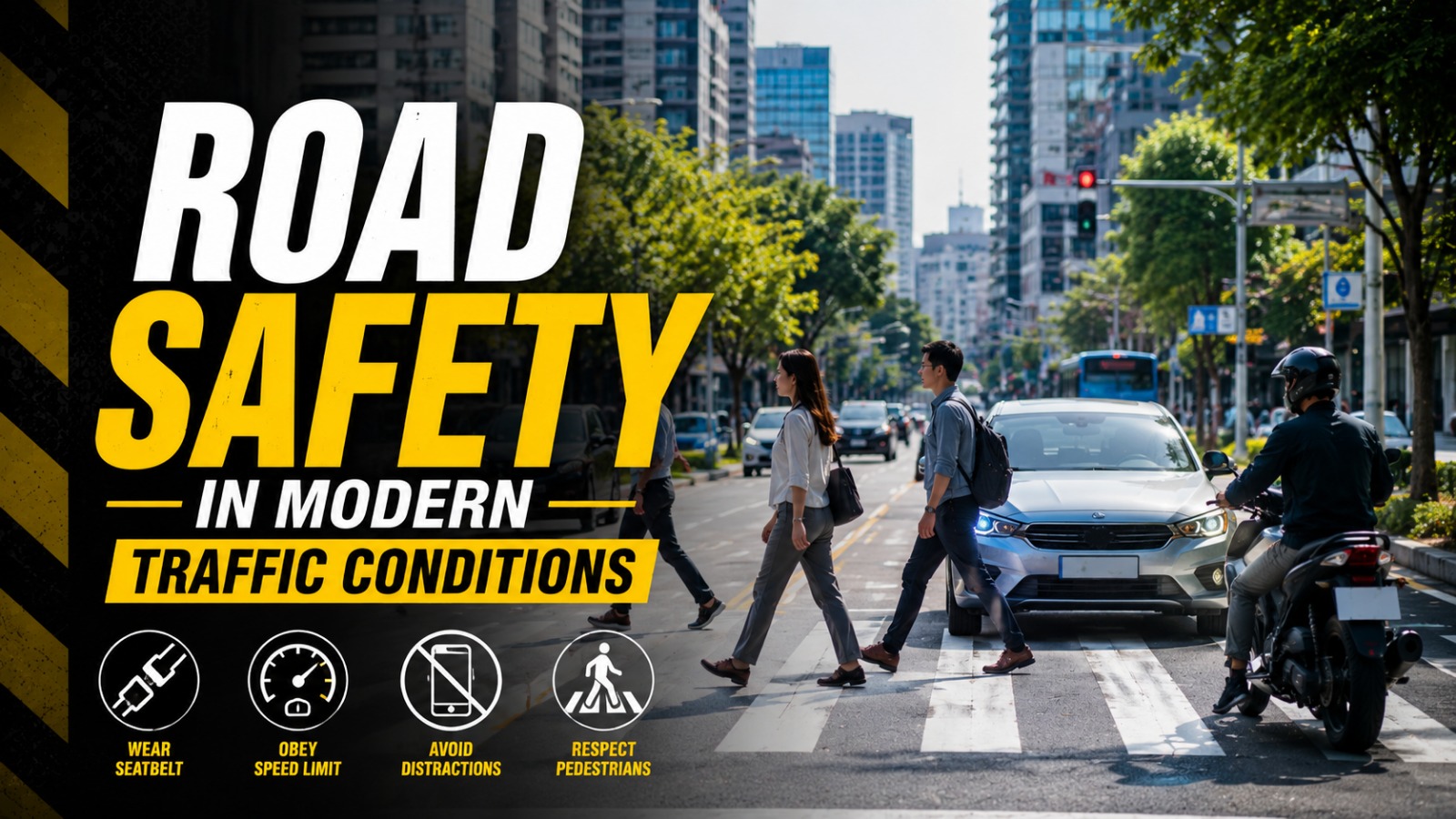
Road safety has become an increasingly important issue as cities and transportation networks continue to grow. Modern roads are used by cars, motorcycles, buses, trucks, bicycles, and pedestrians, often within limited spaces. The increasing number of road users can create more complex traffic conditions and increase the potential for crashes. For this reason, improving road safety requires cooperation between road users, transportation authorities, vehicle manufacturers, and urban planners.
Modern traffic safety is not only about preventing crashes. It also involves reducing the severity of injuries, improving emergency response, and creating infrastructure that protects vulnerable road users. Technology, better road design, effective regulations, and responsible driving behavior can work together to create safer transportation systems.
THE MAIN CAUSES OF ROAD CRASHES
Road crashes can result from many factors, but human behavior remains an important part of road safety. Speeding, distracted driving, dangerous overtaking, driving under the influence of alcohol or drugs, and failure to follow traffic rules can increase crash risks. Fatigue can also reduce a driver's ability to concentrate and respond quickly to unexpected situations. These behaviors can become especially dangerous in crowded traffic.
Road conditions and vehicle factors can also contribute to crashes. Poor visibility, damaged surfaces, inadequate lighting, unclear road markings, and poorly designed intersections may increase risks. Vehicle maintenance is equally important because problems with tires, brakes, lights, or other safety components can affect vehicle control. A comprehensive road safety strategy therefore needs to address people, vehicles, and infrastructure together.
MANAGING SPEED FOR SAFER ROADS
Vehicle speed has a major influence on both crash risk and injury severity. Higher speeds reduce the time available for drivers to identify hazards and react appropriately. When a crash occurs at higher speed, the forces involved can also be greater, increasing the potential for serious injuries.
Effective speed management can include appropriate speed limits, traffic calming measures, road design, enforcement, and public education. Speed limits should reflect the function and environment of each road rather than being treated as identical everywhere. Lower speeds in areas with pedestrians, schools, and dense activity can provide additional protection for vulnerable road users.
PROTECTING PEDESTRIANS AND CYCLISTS
Pedestrians and cyclists are among the most vulnerable road users because they have less physical protection than people inside vehicles. Busy intersections, narrow sidewalks, poorly marked crossings, and fast-moving traffic can create dangerous conditions for them. Safe infrastructure should therefore be an essential part of modern road planning.
Cities can improve protection through sidewalks, pedestrian crossings, protected bicycle lanes, adequate lighting, traffic signals, and safe intersection designs. These facilities should form connected networks rather than isolated sections. When people can walk and cycle safely, cities can also support healthier and more sustainable transportation choices.
THE ROLE OF VEHICLE SAFETY TECHNOLOGY
Modern vehicles increasingly include advanced safety technologies designed to help prevent crashes or reduce their consequences. Depending on the vehicle, these systems may include automatic emergency braking, electronic stability control, lane departure warnings, blind spot monitoring, and other driver assistance features. Safety improvements can help drivers respond to hazards that might otherwise be difficult to detect.
However, technology should not create excessive confidence in vehicle automation. Drivers remain responsible for monitoring road conditions and following applicable rules. Driver assistance systems are most effective when used as additional safety support, combined with responsible driving behavior and proper driver training.
SMART TRAFFIC MANAGEMENT
Digital technology is changing how cities manage modern traffic conditions. Traffic cameras, road sensors, GPS information, and connected systems can provide transportation authorities with data about congestion, incidents, and traffic flow. This information can help operators identify problems and respond more quickly.
Smart traffic signals can also adjust signal timing based on changing traffic conditions in locations where such systems are appropriate. Real-time information can warn drivers about accidents, road closures, or hazardous conditions. Data-driven traffic management can improve road efficiency and safety when supported by reliable infrastructure and effective operational planning.
IMPORTANCE OF ROAD INFRASTRUCTURE
Safe roads need to be designed with clear and predictable features. Proper lane markings, traffic signs, lighting, drainage, road surfaces, intersections, barriers, and pedestrian facilities can help road users understand how they should move. Infrastructure should also be regularly inspected and maintained because deterioration can create new hazards.
Road design should consider the different users who share the transportation network. A road designed only around vehicle speed may not provide adequate protection for pedestrians or cyclists. Safe road design considers human behavior and potential mistakes, creating conditions that reduce the likelihood and severity of crashes.
SAFER PUBLIC TRANSPORTATION
Public transportation can contribute to road safety by moving large numbers of people in fewer vehicles. Well-operated buses and other public transport services can reduce the number of individual vehicles competing for road space. However, buses and other large vehicles also need appropriate safety measures because they operate alongside pedestrians and other road users.
Professional driver training, regular vehicle inspections, safe stops, appropriate lane management, and passenger facilities can improve public transport safety. Dedicated bus infrastructure can also reduce conflicts between buses and other vehicles in busy areas. A safe public transport system should protect passengers both inside vehicles and while they are boarding or leaving them.
THE IMPORTANCE OF DRIVER EDUCATION
Education is a fundamental part of road safety culture. Drivers need to understand speed limits, safe following distances, lane discipline, pedestrian priority, and the risks of distracted or impaired driving. New drivers especially need practical training that prepares them for real traffic situations rather than focusing only on passing a licensing test.
Road safety education should not target drivers alone. Pedestrians, cyclists, passengers, and motorcycle riders also need to understand how their actions affect overall traffic safety. Continuous public awareness programs can reinforce safe behavior and help create a culture in which responsible road use becomes a normal part of everyday travel.
EMERGENCY RESPONSE AND POST CRASH CARE
Even with strong prevention measures, crashes can still occur. Fast emergency response can be critical when serious injuries happen. Emergency medical teams need reliable access to crash locations, effective communication systems, and appropriate medical resources.
Post-crash care is an important part of a complete road safety strategy. Hospitals and emergency services should be prepared to handle road trauma effectively. Prevention, emergency response, medical treatment, and rehabilitation should therefore be viewed as connected elements of road safety rather than separate responsibilities.
BUILDING A SAFER TRAFFIC CULTURE
Improving road safety requires a shared responsibility among governments, businesses, vehicle manufacturers, road users, and communities. Authorities need to establish effective standards and enforce regulations, while infrastructure providers must maintain safe roads. Vehicle manufacturers can continue improving safety features, and road users must behave responsibly.
A strong safety culture develops when safe behavior is consistently encouraged and supported by the transportation environment. Enforcement alone is not enough if roads are poorly designed or public transportation is inadequate. Combining education, engineering, enforcement, technology, and emergency care provides a more comprehensive approach to modern road safety.
CONCLUSION
Road safety in modern traffic conditions requires a comprehensive approach because today's transportation systems involve many different road users, vehicles, and technologies. Human behavior, road design, vehicle condition, traffic management, and environmental factors can all influence crash risks. Improving one element alone is unlikely to solve every safety problem.
The safest transportation systems combine responsible road users, safer vehicles, well-designed infrastructure, effective speed management, smart traffic technology, and rapid emergency response. With consistent planning and cooperation, cities and communities can reduce crash risks and create roads that are safer for everyone.
About the Author
Gusti Ayu Tita P
Author — STEKOM University
An active author focused on academic issues, educational technology, and human resource development in the campus environment.















