
Sea Transportation As A Connector Between Indonesian Islands
Gusti Ayu Tita P
11 Agustus 2026
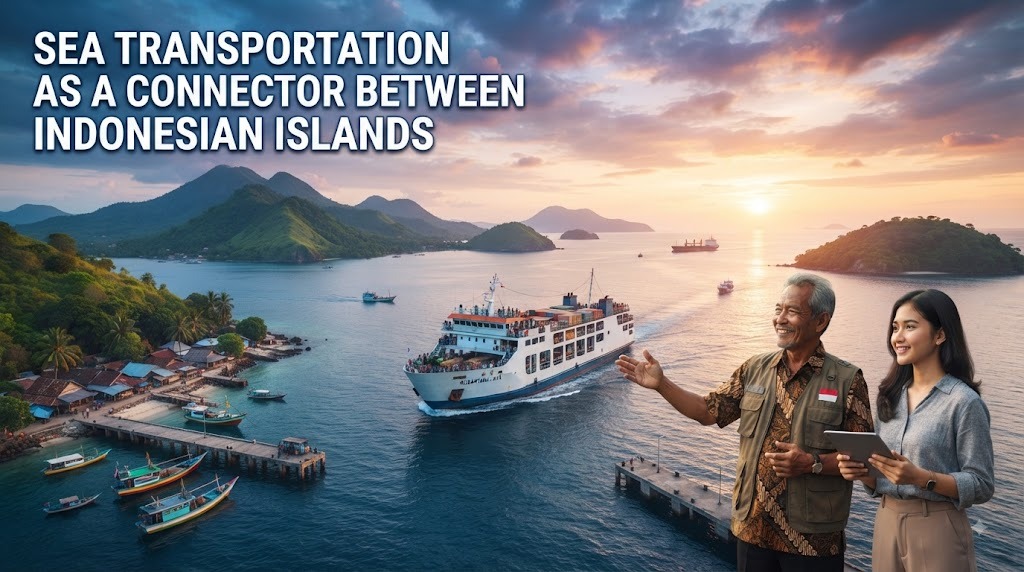
Indonesia is an archipelagic country made up of thousands of islands spread across a wide maritime area. This geographical condition makes sea transportation essential for connecting people, goods, businesses, and communities across different regions. Ships provide transportation links between major islands, coastal cities, smaller islands, and remote communities. They also support the movement of food, fuel, raw materials, agricultural products, and manufactured goods. Without reliable maritime transportation, many regions would face greater difficulties accessing markets and essential supplies.
Sea transportation does more than move people and goods from one location to another. It supports economic activity, regional development, tourism, trade, and social interaction. Maritime routes connect areas with different resources and economic potential. Strong island connectivity can help reduce geographical barriers and provide more equal opportunities for communities. For this reason, improving sea transportation is an important part of Indonesia's national development.
THE IMPORTANCE OF SEA TRANSPORTATION IN INDONESIA
Sea transportation is particularly important because Indonesia's islands are separated by large bodies of water. Roads and railways cannot directly connect many islands, making ships an essential transportation option. Passenger and cargo vessels provide regular connections between ports in different regions. Maritime connectivity allows communities to travel and exchange goods more efficiently. It also helps integrate local economies into wider national markets.
Sea transportation supports both domestic and international activities. Domestic shipping distributes products between Indonesian regions, while international shipping connects Indonesian ports with global markets. Major commodities such as agricultural products, minerals, fuel, and manufactured goods depend on maritime routes. Tourism also benefits from reliable connections to coastal destinations and islands. A strong maritime network can therefore support multiple sectors of the Indonesian economy.
CONNECTING MAJOR ISLANDS
Major islands such as Java, Sumatra, Kalimantan, Sulawesi, and Papua have different economic characteristics and resource potential. Sea transportation helps connect these regions and facilitates the movement of people and products. Ships can transport large volumes of cargo between major ports more efficiently than many other transportation options. Interisland transportation supports supply chains across the country.
Connections between major islands are important for maintaining the availability of essential goods. Products from agricultural and industrial centers can be distributed to regions with higher demand. Fuel and raw materials can also be moved to areas that require them for economic activities. Reliable shipping schedules help businesses plan their operations. Strong connections between major islands can contribute to a more integrated national economy.
SUPPORTING REMOTE ISLAND COMMUNITIES
Remote islands often face greater transportation challenges because of their distance from major cities and economic centers. Sea transportation can provide these communities with access to essential products and services. Ships can deliver food, fuel, construction materials, household products, and other supplies. Remote island connectivity can reduce the isolation experienced by communities far from major ports.
Maritime routes also allow residents to send local products to larger markets. Fisheries, agriculture, handicrafts, and other local commodities can be transported to cities and regional trading centers. Better access to markets can create new income opportunities for local communities. Regular shipping services can also support education, tourism, and social activities. Reliable sea transportation can therefore contribute to more balanced regional development.
SUPPORTING THE MOVEMENT OF GOODS
One of the most important functions of sea transportation is moving large quantities of cargo. Ships can carry commodities such as fuel, food, machinery, construction materials, and industrial products. Cargo transportation helps maintain supply chains between production areas and consumer markets. Large cargo capacity makes maritime shipping suitable for long-distance distribution.
Efficient cargo movement depends on good coordination between vessels, ports, warehouses, and inland transportation. Delays at ports can affect delivery schedules and increase logistics costs. Digital tracking systems can help companies monitor cargo and improve planning. Modern cargo-handling equipment can also reduce loading and unloading times. An efficient cargo network can strengthen economic connections between Indonesian islands.
SUPPORTING PASSENGER MOBILITY
Sea transportation is also important for people who need to travel between islands. Passenger ferries and other vessels provide transportation for workers, students, tourists, and local residents. Passenger mobility can become easier when routes operate regularly and safely. Maritime services are particularly important for communities that do not have direct air or land connections.
Reliable passenger transportation can improve access to education, employment, healthcare, and public services. It can also support family connections and social interaction between island communities. Safety and comfort should remain important considerations when developing passenger services. Modern vessels and improved port facilities can enhance the travel experience. Better passenger connectivity can strengthen social and economic relationships between regions.
SUPPORTING REGIONAL ECONOMIC GROWTH
Sea transportation can help regional economies access larger markets. Local businesses can sell products beyond their immediate communities when reliable shipping routes are available. Regional economic growth can increase as trade and business opportunities expand. Ports can also become centers of economic activity that attract logistics and supporting industries.
The development of maritime transportation can create employment in shipping, port operations, logistics, vessel maintenance, and related services. Increased transportation activity can also encourage investment in coastal regions. However, economic development should be planned carefully to provide benefits to local communities. Environmental impacts should also be considered during port and infrastructure development. Balanced development can make maritime connectivity more beneficial in the long term.
SUPPORTING NATIONAL TRADE
Sea transportation plays a major role in Indonesia's domestic and international trade. Domestic shipping connects producers with consumers across different islands. International shipping allows Indonesian commodities to reach foreign markets. Maritime trade therefore depends heavily on reliable ports, vessels, and shipping routes.
Efficient sea transportation can reduce distribution difficulties and support more predictable supply chains. Businesses can move large quantities of goods without relying entirely on land transportation. Modern ports can improve cargo handling and reduce waiting times. Digital systems can also make trade documentation and shipment tracking more efficient. Strong maritime trade connections can improve Indonesia's economic competitiveness.
THE ROLE OF PORTS IN ISLAND CONNECTIVITY
Ports are the main connection points between sea transportation and land-based activities. They provide facilities for loading, unloading, passenger movement, cargo storage, and vessel operations. Port infrastructure directly affects the efficiency of interisland transportation. Well-managed ports can reduce waiting times and improve cargo and passenger flows.
Modern ports can use digital systems to manage vessel schedules, cargo information, and administrative processes. Better connections between ports, roads, warehouses, and distribution centers can also improve logistics. Smaller ports are equally important because they connect remote islands with larger transportation networks. Investment should therefore consider both major and regional ports. A connected port network can strengthen transportation links across the country.
USING DIGITAL TECHNOLOGY FOR CONNECTIVITY
Digital technology is changing the way maritime transportation is managed. Vessel tracking systems can provide real-time information about ship locations and estimated arrival times. Digital platforms can connect shipping companies, port operators, logistics providers, and customers. Digital maritime systems can improve communication and reduce uncertainty.
Electronic documentation can also simplify administrative processes. Businesses can monitor cargo movements and respond more quickly to delays. Data analysis can help identify inefficient routes and improve shipping schedules. However, digital transformation requires reliable infrastructure, trained personnel, and cybersecurity protection. Proper technology adoption can make island connectivity more transparent and efficient.
CHALLENGES OF INTERISLAND SEA TRANSPORTATION
Despite its importance, sea transportation faces several challenges in connecting Indonesian islands. Weather conditions, limited port infrastructure, high logistics costs, and irregular shipping schedules can affect transportation reliability. Remote areas may have fewer routes and limited access to modern facilities. Maritime connectivity challenges can make some regions more difficult to reach.
Addressing these problems requires cooperation between the government, private companies, port operators, and local communities. Infrastructure development should focus on areas with significant connectivity gaps. Shipping schedules should be adjusted to regional demand and transportation needs. Digital technology can improve route planning and cargo monitoring. Continuous investment and effective management are necessary to strengthen maritime connections.
IMPROVING SAFETY IN SEA TRANSPORTATION
Safety is a fundamental requirement for reliable island connectivity. Ships need regular inspections, proper maintenance, and qualified crews. Maritime safety protects passengers, workers, cargo, and the marine environment. Weather monitoring and modern navigation systems can also help crews make safer decisions.
Emergency procedures should be established and practiced regularly. Ports need appropriate safety facilities and trained emergency personnel. Shipping companies should also maintain clear safety management systems. Strong enforcement of maritime safety standards can reduce accident risks. Safe transportation encourages greater public confidence in interisland travel.
DEVELOPING SUSTAINABLE MARITIME TRANSPORTATION
The development of sea transportation should consider environmental sustainability. Ships consume fuel and may produce emissions and other forms of pollution. Sustainable shipping can reduce environmental impacts through efficient vessels, cleaner fuels, better route planning, and responsible waste management. Ports can also develop facilities that support cleaner maritime operations.
Environmental protection is especially important because Indonesia has extensive marine ecosystems and coastal resources. Transportation development should avoid unnecessary damage to sensitive areas. Companies can adopt fuel-saving practices and improve vessel efficiency. Governments can support environmentally responsible technologies through appropriate policies and standards. Sustainable maritime development can protect the environment while maintaining strong island connectivity.
THE FUTURE OF INDONESIAN ISLAND CONNECTIVITY
The future of Indonesian island connectivity will depend on infrastructure, technology, safety, and sustainable development. Smart ports and digital shipping systems can improve the movement of people and goods. Modern vessels can provide better efficiency and reliability. Future maritime connectivity should focus on linking major economic centers with smaller and remote islands.
Investment in human resources will also be important. Maritime workers need skills in navigation, logistics, digital technology, safety, and environmental management. Strong cooperation between government and industry can accelerate improvements. Better integration between sea transportation and roads, railways, warehouses, and airports can create a more efficient national transportation network. With consistent development, sea transportation can remain a key connector for Indonesia's islands.
CONCLUSION
Sea transportation is a vital connector between Indonesian islands. It enables the movement of passengers, food, fuel, raw materials, agricultural products, fisheries, and manufactured goods across the country's extensive maritime territory. It also supports trade, tourism, regional development, and access to wider markets. For remote communities, reliable maritime services can be essential for maintaining economic and social connections.
Indonesia can strengthen island connectivity by improving port infrastructure, shipping services, maritime safety, digital technology, and sustainable transportation. Better coordination between sea and land transportation can further improve the distribution network. Continued investment and cooperation can reduce geographical barriers and support more balanced regional development. A modern and reliable maritime transportation system can help connect Indonesia's islands while supporting the country's long-term economic and social progress.
About the Author
Gusti Ayu Tita P
Author — STEKOM University
An active author focused on academic issues, educational technology, and human resource development in the campus environment.















