Skills You Can Develop Through Campus Volunteer Activities
Gusti Ayu Tita P
17 September 2026
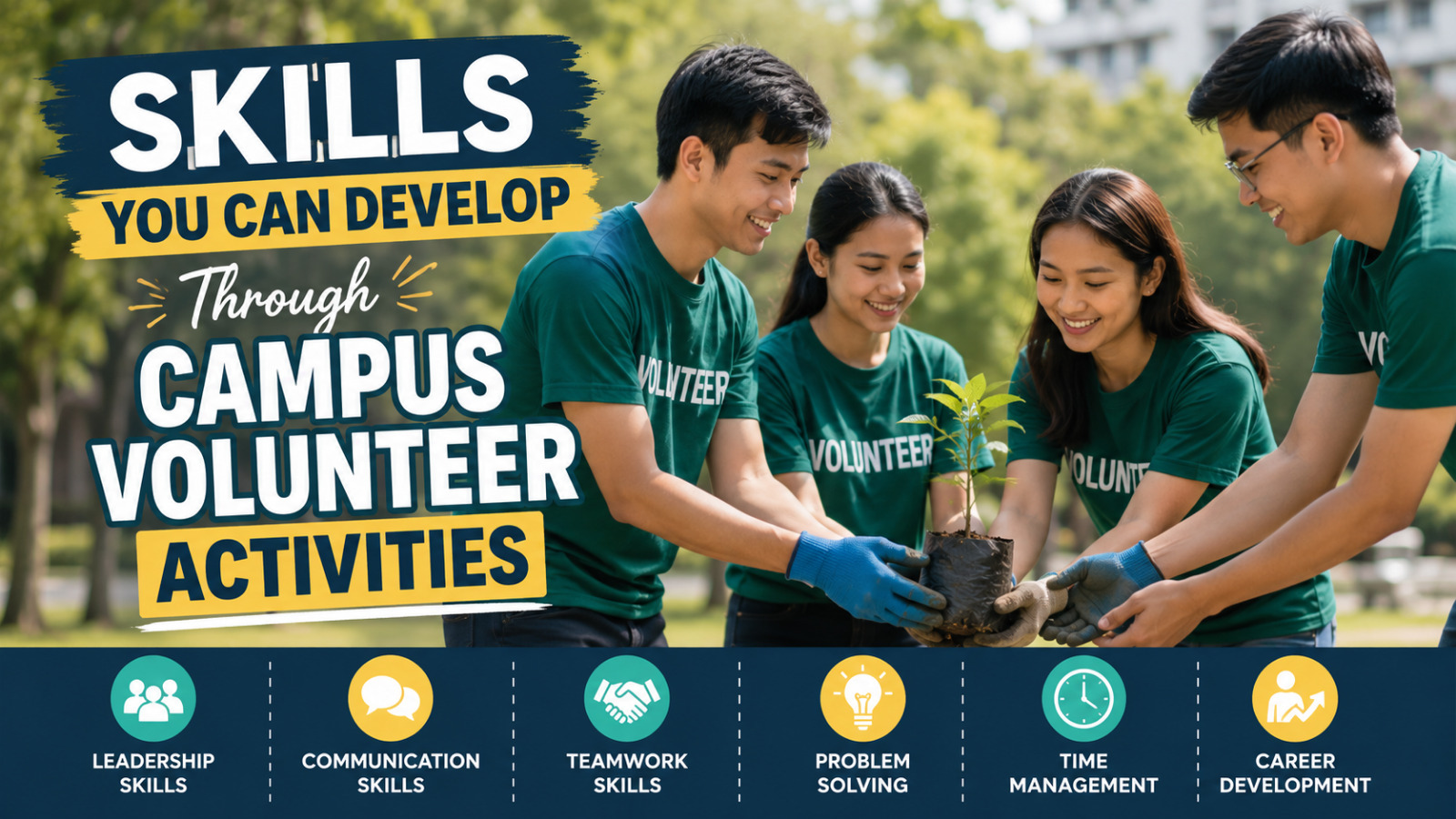
Participating in campus volunteer activities is one of the best ways for students to grow beyond the classroom. Besides contributing to meaningful programs, volunteering allows students to build valuable personal and professional abilities that employers highly appreciate. Every event, project, and community service program provides opportunities to learn through real-world experiences. These experiences often help students become more confident, responsible, and adaptable in different situations.
Campus volunteering is not only about helping others but also about investing in your future career. Students who actively participate in volunteer programs often develop stronger interpersonal skills, leadership qualities, and problem-solving abilities. These competencies become valuable assets when applying for internships or full-time jobs. By understanding the skills gained through volunteering, students can maximize every opportunity they receive.
IMPROVING LEADERSHIP SKILLS
One of the most valuable benefits of joining Campus Volunteer programs is developing Leadership Skills. Volunteers are often assigned responsibilities that require decision-making, planning, and coordinating with other members. These experiences teach students how to guide a team while remaining accountable for achieving shared goals. Leadership also involves motivating others and maintaining a positive attitude during challenging situations.
As students participate in more projects, they become increasingly confident in managing responsibilities. They learn how to delegate tasks effectively and solve unexpected problems without panic. Strong leadership abilities not only improve volunteer performance but also prepare students for future professional roles. Employers highly value candidates who demonstrate leadership through practical experiences.
STRENGTHENING COMMUNICATION SKILLS
Effective Communication Skills are essential for successful volunteer activities. Students frequently interact with fellow volunteers, faculty members, event participants, and community members from different backgrounds. These interactions improve verbal communication, active listening, and the ability to express ideas clearly. Good communication also helps prevent misunderstandings during team projects.
In addition, volunteering encourages students to become better public speakers. They may present ideas during meetings, explain programs to participants, or represent their organizations at public events. Regular communication practice increases confidence and professionalism. These skills become extremely useful in academic presentations, interviews, and future workplace environments.
DEVELOPING TEAMWORK SKILLS
Every successful volunteer program depends on effective collaboration among team members. Through Volunteer Activities, students learn how to cooperate with individuals who have different personalities, opinions, and working styles. Respecting others' perspectives becomes an important part of achieving common objectives. Teamwork also teaches flexibility and mutual support.
Working in teams allows students to understand the importance of trust and accountability. Everyone has different responsibilities, and each contribution affects the overall success of the project. Students also develop conflict-resolution abilities by learning how to solve disagreements professionally. Teamwork Skills gained through volunteering remain valuable throughout both academic and professional careers.
ENHANCING PROBLEM SOLVING ABILITIES
Unexpected challenges are common during volunteer events, making Problem Solving an essential skill. Students may need to handle scheduling conflicts, limited resources, or last-minute changes while maintaining the quality of the event. These situations encourage creative thinking and quick decision-making under pressure. Over time, volunteers become more confident when facing complex situations.
Problem-solving also involves analyzing issues carefully before taking action. Volunteers learn to evaluate different solutions and choose the most effective approach. This ability improves critical thinking while reducing unnecessary mistakes. Employers appreciate individuals who can remain calm and find practical solutions in difficult circumstances.
BUILDING TIME MANAGEMENT SKILLS
Balancing volunteer responsibilities with academic commitments requires excellent Time Management. Students must organize their schedules to complete assignments, attend classes, and participate in volunteer activities without sacrificing performance. Proper planning reduces stress and improves overall productivity. Learning how to prioritize tasks becomes an important habit.
Using calendars, planners, or digital scheduling tools helps students stay organized. They also learn to avoid procrastination and complete important tasks before deadlines. Effective time management contributes to better academic performance while allowing students to remain active in extracurricular activities. This skill continues to benefit individuals throughout their careers.
EXPANDING PROFESSIONAL NETWORKS
Campus volunteering provides excellent opportunities for Career Development by connecting students with lecturers, alumni, professionals, and community leaders. These relationships often lead to valuable mentorship, internship opportunities, and career advice. Networking also helps students gain insights into different industries and professional expectations.
Building meaningful professional connections requires consistency and genuine communication. Students who actively contribute to volunteer projects often leave positive impressions on mentors and supervisors. These relationships may become valuable references when applying for scholarships, internships, or employment. A strong professional network can significantly enhance long-term career success.
CONCLUSION
Joining Campus Volunteer activities offers far more than community service experience. Students can develop Leadership Skills, Communication Skills, Teamwork Skills, Problem Solving, Time Management, and valuable Career Development opportunities through real-life experiences. These competencies improve academic performance, strengthen personal growth, and increase employability after graduation. By actively participating in volunteer programs, students invest in skills that will continue to benefit them throughout their personal and professional lives.
About the Author
Gusti Ayu Tita P
Author — STEKOM University
An active author focused on academic issues, educational technology, and human resource development in the campus environment.