
Skills You Need To Become A Successful Mayor
Gusti Ayu Tita P
12 Agustus 2026
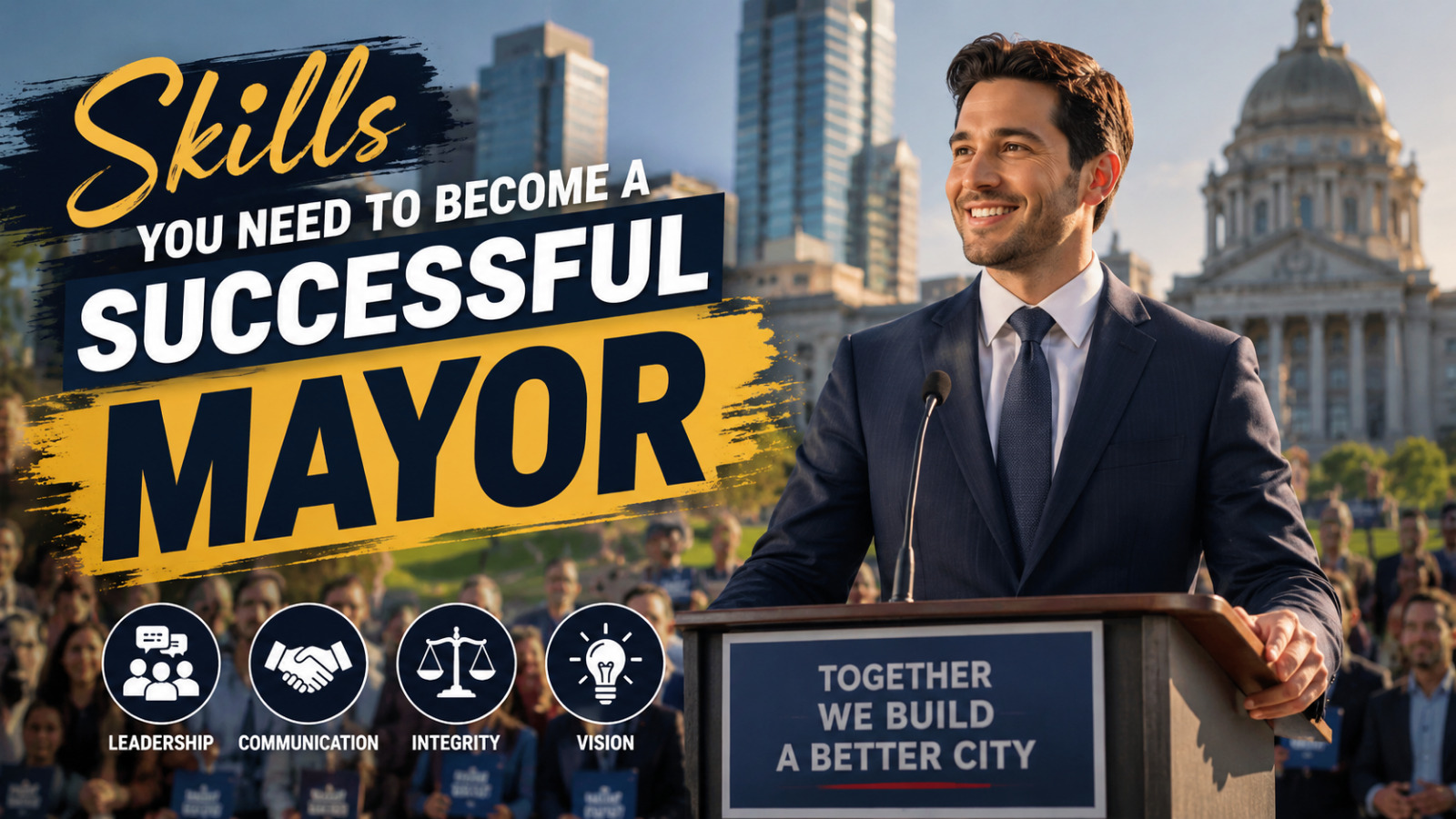
Becoming a successful mayor requires more than winning an election or holding a government position. A mayor is responsible for leading local government, coordinating public programs, responding to community needs, and making decisions that can affect many aspects of daily life. Because of these responsibilities, strong Mayor Skills are essential.
A good mayor needs a combination of leadership qualities, technical knowledge, communication abilities, and ethical values. These skills help leaders manage challenges, work with different groups, and make decisions based on public interests. Developing these abilities is therefore an important preparation for anyone interested in local leadership.
LEADERSHIP SKILLS
Leadership is one of the most important abilities for a mayor. A mayor must provide direction, establish priorities, coordinate government teams, and encourage cooperation among different institutions. Strong Leadership Skills help a mayor guide the administration toward clear and realistic goals.
Effective leadership also requires the ability to delegate responsibilities. A mayor cannot handle every government task personally, so capable officials and teams must be trusted with appropriate responsibilities. Good leaders monitor performance while giving their teams enough space to work effectively. This approach can improve coordination and organizational performance.
COMMUNICATION SKILLS
Mayors communicate with residents, government employees, community organizations, businesses, and other stakeholders. Strong Communication Skills allow mayors to explain policies clearly and respond to questions or concerns effectively. Communication should be professional, understandable, and based on reliable information.
Listening is just as important as speaking. A mayor should pay attention to different perspectives and remain open to constructive criticism. Good communication can reduce misunderstandings and help build stronger relationships between local government and the community.
STRATEGIC THINKING
Cities often face complex problems that require long-term solutions. A mayor needs Strategic Thinking to identify priorities, evaluate possible consequences, and develop realistic plans. Strategic thinking helps leaders avoid making decisions based only on short-term benefits.
A strategic mayor should also understand how different policies can affect one another. For example, transportation planning may influence economic development, environmental conditions, and quality of life. Considering these connections can lead to more balanced decisions and sustainable development.
PROBLEM SOLVING
Local governments regularly face unexpected challenges. Infrastructure failures, economic difficulties, environmental concerns, public service problems, and social issues may require quick but careful responses. Strong Problem Solving skills help mayors identify the causes of problems and select appropriate solutions.
Effective problem solving should be based on evidence rather than assumptions. A mayor should gather relevant information, consult experts when necessary, consider different options, and evaluate potential consequences. After implementing a solution, its results should also be monitored so improvements can be made when needed.
DECISION MAKING
Mayors often have to make important decisions involving limited resources and competing interests. Strong Decision Making skills help leaders compare options and choose actions that are consistent with laws, public needs, and available resources.
Good decisions do not always satisfy everyone. However, a responsible mayor should be able to explain the reasons behind important decisions. Transparency and careful consideration can make difficult decisions easier for the community to understand.
INTEGRITY AND ETHICAL JUDGMENT
Integrity is essential for anyone responsible for public authority and resources. A mayor should demonstrate Ethical Leadership by acting honestly, respecting applicable rules, avoiding conflicts of interest, and putting public responsibilities ahead of personal interests.
Ethical judgment is especially important when different interests compete. A mayor should consider fairness, public impact, and long-term consequences before making decisions. Consistent integrity can strengthen public confidence and create a healthier culture within local government.
FINANCIAL MANAGEMENT
Mayors need to understand the basics of Financial Management because local governments operate with limited public resources. Leaders should understand how budgets are planned, prioritized, monitored, and evaluated. They do not need to perform every financial task themselves, but they should be able to ask appropriate questions and understand financial reports.
Responsible budgeting helps ensure that public funds are directed toward important priorities. A mayor should support transparency, accountability, and proper oversight of government spending. Good financial management can improve program effectiveness and reduce unnecessary waste.
ADAPTABILITY AND INNOVATION
Cities continuously change because of technology, population growth, economic conditions, environmental challenges, and changing public expectations. A successful mayor needs Adaptability to respond to new circumstances without losing sight of long-term objectives.
Innovation can also help local governments improve their services. Mayors should be willing to consider new approaches while evaluating their costs, risks, accessibility, and potential benefits. Responsible innovation can improve efficiency while helping cities respond to emerging challenges.
CONCLUSION
A successful mayor needs a broad combination of leadership, communication, strategic thinking, problem solving, decision making, integrity, financial awareness, and adaptability. These skills help leaders manage government responsibilities while remaining responsive to community needs.
Becoming an effective mayor is a continuous learning process. Leaders need to evaluate their decisions, listen to residents, learn from experience, and adapt to changing conditions. By developing strong Mayor Skills and maintaining a commitment to public service, a mayor can contribute to better governance and sustainable community development.
About the Author
Gusti Ayu Tita P
Author — STEKOM University
An active author focused on academic issues, educational technology, and human resource development in the campus environment.















