
Small Kindness and Unexpected Returns
Gusti Ayu Tita P
9 September 2026
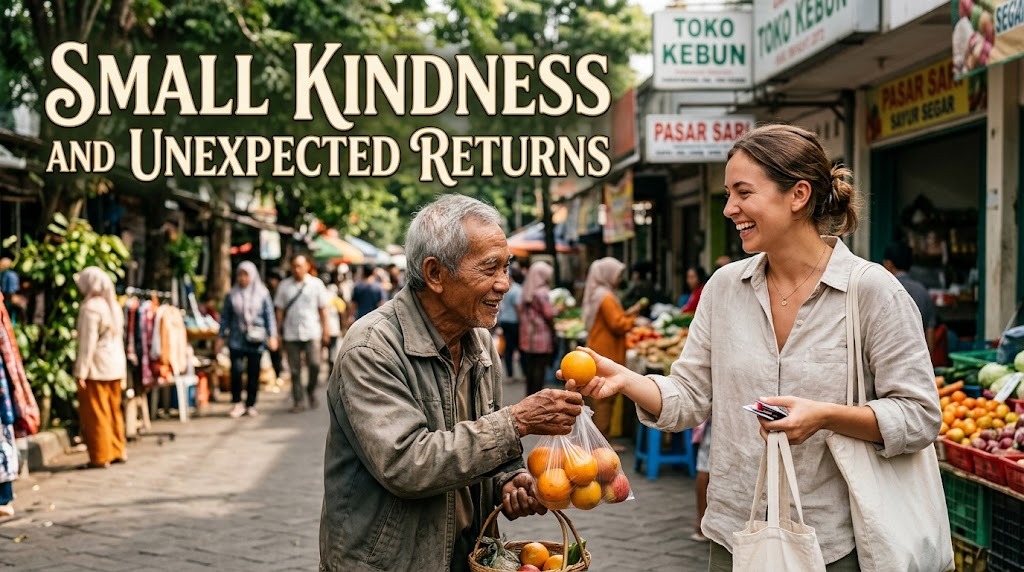
Kindness does not always begin with a major action. Sometimes, a simple smile, a helpful message, or a few encouraging words can make someone's day better. These small actions may seem ordinary, but they can create unexpected positive effects. In many situations, kindness can return through relationships, opportunities, or support that we never planned to receive.
The return of kindness does not always come from the same person. Someone we help today may never have the opportunity to help us directly. However, our action can influence them or inspire others to behave positively. This shows that small acts can create effects beyond the original moment.
SMALL ACTS CAN CREATE MEANINGFUL IMPACTS
A small act of kindness can have greater meaning than its size suggests. Listening to someone who needs support or helping with a simple task can make that person feel valued. Such experiences can create positive emotional effects that remain in someone's memory.
The impact can become even greater when kindness is repeated. A person who regularly experiences respectful treatment may begin to treat others in the same way. Over time, simple actions can contribute to a more supportive social environment.
KINDNESS CAN RETURN IN UNEXPECTED WAYS
People sometimes receive support from unexpected sources. A former classmate, colleague, or even a stranger may provide assistance when it is needed most. These situations can feel surprising because the original act of kindness may have happened long before.
However, kindness should not be treated as a transaction. Helping someone only because we expect a future reward can change the meaning of the action. Genuine kindness is valuable because it creates positive effects without demanding an immediate return.
KIND WORDS CAN STAY IN MEMORY
Words can leave a strong impression on people. A sincere compliment, encouraging message, or thoughtful response may give someone confidence during a difficult period. Even when the speaker forgets the conversation, the receiver may remember the positive words for a long time.
The opposite is also possible with negative communication. Hurtful words can create emotional consequences that remain after the conversation ends. Choosing words carefully is therefore an important part of responsible and meaningful communication.
KINDNESS STRENGTHENS RELATIONSHIPS
Strong relationships are often built through repeated small interactions. Showing appreciation, listening carefully, and respecting other people's feelings can gradually create trust and connection. These qualities are important in friendships, families, classrooms, and workplaces.
Kindness also makes communication easier. When people feel respected, they may become more comfortable sharing ideas and asking for help. Over time, simple acts of kindness can contribute to healthier and stronger relationships.
KINDNESS CAN CREATE A POSITIVE CHAIN
One act of kindness can influence more than one person. Someone who receives genuine help may feel encouraged to help another person later. This creates a chain of positive behavior that can continue without the original giver knowing about it.
The process can happen in everyday situations. A student who receives help with an assignment may later assist a different classmate. A worker who receives support during a difficult project may become more willing to support another colleague. These examples show how kindness can spread through social connections.
SMALL KINDNESS MATTERS IN DIGITAL LIFE
Kindness is not limited to face to face interactions. In the digital world, people can show kindness through supportive messages, respectful comments, and helpful information. These actions can create positive online interactions.
Digital communication also requires awareness because written words can easily be misunderstood. A careless comment can spread quickly and reach a large audience. Choosing respectful language and thinking before posting can help create a healthier digital environment.
KINDNESS CAN BUILD TRUST
Trust develops when people repeatedly experience honesty, respect, and reliability. Small acts such as keeping promises, offering assistance, and respecting boundaries can demonstrate that someone is dependable. Over time, these behaviors contribute to stronger trust.
Trust can also create future opportunities. People are more likely to cooperate with someone they consider reliable. As a result, small positive actions may indirectly lead to new connections, collaborations, or opportunities that were never originally expected.
KINDNESS DOES NOT GUARANTEE A REWARD
It is important to understand that kindness does not guarantee a specific outcome. A person may help someone without ever receiving anything in return. This does not make the original action meaningless because its value can exist in the benefit given to another person.
Expecting every good action to produce a reward can also create disappointment. Life is influenced by many factors, and people cannot control how others respond. A healthier approach is to practice kindness because it reflects personal values and character.
KARMA AND UNEXPECTED RETURNS
The idea of karma is often connected with the belief that actions have consequences. In this context, positive actions may be associated with positive experiences, although the connection is not always immediate or predictable. Karma should not be understood as a guarantee that every good deed will receive an identical reward.
Instead, the concept can encourage people to think about the effects of their behavior. Kindness can influence relationships, reputation, and social connections in ways that eventually affect future experiences. This makes karma a useful perspective for understanding responsibility and the impact of actions.
LEAVING A POSITIVE TRACE
Every interaction can leave some kind of impression. People may forget exactly what we said or did, but they often remember how we made them feel. Small acts of kindness can therefore become part of the positive traces we leave behind.
A meaningful life is not measured only by major achievements. The way we treat people can also become an important part of our legacy. Consistent kindness allows individuals to create a positive influence that can continue beyond a single moment.
CONCLUSION
Small kindness and unexpected returns show that simple actions can have effects that extend beyond the moment they happen. A kind word can provide encouragement, helpful behavior can strengthen relationships, and consistent respect can build trust. These effects may eventually return through unexpected relationships, opportunities, or positive experiences.
However, kindness should not be practiced only for the possibility of receiving something in return. Its greatest value comes from creating positive experiences for others and building better relationships. By choosing kindness in everyday situations, people can leave meaningful traces and contribute to a more supportive environment.
About the Author
Gusti Ayu Tita P
Author — STEKOM University
An active author focused on academic issues, educational technology, and human resource development in the campus environment.















