Smart Budgeting Tips for an Enjoyable Long Weekend
Gusti Ayu Tita P
4 September 2026
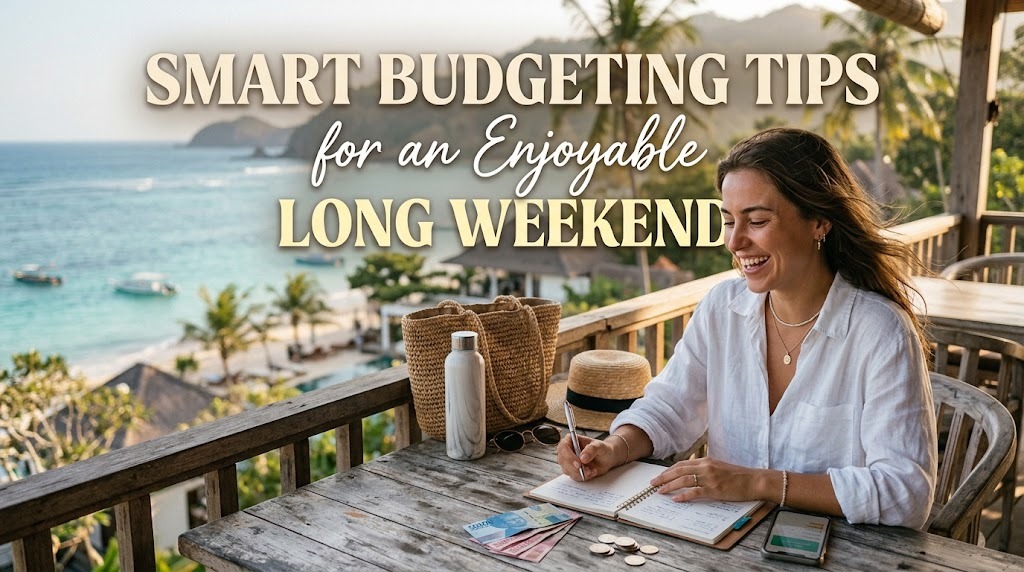
A long weekend gives you extra time to relax, travel, and enjoy activities outside your daily routine. However, spending too much during a short holiday can create financial pressure afterward. Smart budgeting helps you enjoy your free time without losing control of your money. You do not need a large budget to create a memorable experience. With simple planning, you can choose activities that are enjoyable, practical, and affordable.
SET A HOLIDAY BUDGET
Start by deciding how much money you can comfortably spend during the long weekend. Consider your regular financial commitments before setting a holiday budget. A clear spending limit can help prevent unnecessary expenses. Divide the budget into categories such as transportation, food, entertainment, and emergency needs.
Keep the budget realistic rather than making it unnecessarily restrictive. A budget that is too low may make the holiday difficult to enjoy. At the same time, avoid using money that is needed for important expenses after the holiday. The goal is to enjoy the break without creating financial problems later.
PRIORITIZE IMPORTANT EXPENSES
Not every holiday expense has the same level of importance. Transportation, accommodation, food, and essential activities should usually receive priority. Identifying essential expenses helps you understand how much money remains for entertainment. This makes it easier to make responsible spending decisions.
Make a short list before the long weekend begins. Separate things you need from things you simply want. If the budget becomes limited, reduce optional expenses first. Prioritizing spending allows you to protect your most important holiday needs.
CHOOSE AFFORDABLE ACTIVITIES
Fun activities do not always require expensive tickets or reservations. Visiting a public park, walking around a local area, having a picnic, or enjoying a hobby can provide enjoyable experiences. Affordable activities can make your long weekend fun while keeping spending under control.
Look for free or low cost activities available near you. Local events, public spaces, museums with affordable admission, and community activities can offer interesting alternatives. You can also create entertainment at home with family or friends. Creativity can often replace expensive entertainment.
PLAN TRANSPORTATION CAREFULLY
Transportation can become one of the largest expenses during a holiday. Compare different transportation options before deciding how to travel. Choosing practical transportation can help reduce the total cost of a long weekend. Consider distance, travel time, convenience, and safety rather than focusing only on the cheapest option.
If traveling with family or friends, sharing transportation costs may be practical when appropriate. For nearby destinations, walking, cycling, or public transportation may also be alternatives. Avoid unnecessary trips between locations. Efficient transportation planning can save both money and time.
CONTROL FOOD EXPENSES
Food can quickly increase holiday spending when every meal is purchased outside. Prepare some meals or snacks at home when possible. Bringing your own food can reduce unnecessary spending during short trips. You can still enjoy local restaurants by choosing specific meals rather than eating out for every meal.
Before visiting a restaurant, consider its prices and your remaining budget. Avoid ordering more food than you can reasonably consume. If traveling with others, choose dining options that fit everyone's budget. Good food can still be part of an affordable holiday when planned carefully.
AVOID IMPULSE SHOPPING
Long weekends can encourage people to spend money on items they did not originally plan to buy. Promotions, souvenirs, and special offers can make unnecessary purchases seem attractive. Pausing before buying can help prevent impulse spending. Ask yourself whether the item is genuinely useful or simply appealing at the moment.
Set a separate limit for optional shopping if you want to buy souvenirs or personal items. Once that limit is reached, avoid making additional purchases. Remember that a holiday does not become more memorable because you buy more things. Experiences often provide more lasting value than unnecessary purchases.
USE WHAT YOU ALREADY HAVE
Before spending money on holiday activities, look at what you already have available. Books, board games, sports equipment, cooking ingredients, and creative supplies can provide entertainment. Using existing resources can significantly reduce the cost of staying home during a long weekend.
You can also revisit hobbies that you have not enjoyed recently. Organize a movie night, prepare a special meal, or create a simple family activity. These options require little additional spending. A memorable holiday can begin with things already available at home.
MAKE A DAILY SPENDING LIMIT
A daily spending limit can make it easier to control your overall holiday budget. Divide your available money according to the number of days and planned activities. Daily limits provide a simple way to monitor spending throughout the long weekend. If you spend less on one day, you may have more flexibility later.
Keep a small reserve for unexpected expenses rather than allocating every amount to planned activities. This can provide additional financial security. Check your spending regularly instead of waiting until the holiday ends. Small adjustments during the holiday can prevent major budget problems.
LEAVE MONEY FOR EMERGENCIES
Unexpected expenses can happen during any holiday. Transportation changes, minor emergencies, or other unplanned needs may require additional money. Keeping an emergency reserve can make your long weekend more secure. This money should not be treated as part of your entertainment budget.
The reserve can remain untouched if everything goes according to plan. If an unexpected expense occurs, you will have money available without disturbing your main budget. Avoid using the emergency reserve for unnecessary shopping or entertainment. Financial preparation can provide peace of mind during your holiday.
TAKE ADVANTAGE OF LOCAL EXPERIENCES
You do not always need to travel to another city to enjoy a long weekend. Local attractions can provide interesting experiences while reducing transportation and accommodation costs. Exploring nearby places can be an effective way to save money while still enjoying a change of scenery.
Search for destinations that are accessible and suitable for your interests. Public parks, cultural areas, local food spots, and community events can all be affordable choices. A short local trip can also leave more time for relaxation. Staying closer to home can provide both financial and practical benefits.
REVIEW YOUR SPENDING AFTERWARD
Once the long weekend is over, take a few minutes to review your expenses. Compare your actual spending with the budget you created. Reviewing your spending can help you understand which choices worked well and which expenses could be reduced. This information can be useful when planning your next holiday.
Do not focus only on mistakes. Consider which activities provided the most enjoyment for the money spent. You may discover that inexpensive experiences were more satisfying than expensive ones. Learning from each holiday can make future budgeting easier and more effective.
CONCLUSION
Smart budgeting can help you enjoy a long weekend without creating unnecessary financial stress. Setting a realistic budget, prioritizing important expenses, controlling food and transportation costs, and avoiding impulse purchases are key steps. Affordable local activities and home based entertainment can also provide memorable experiences. The goal is not to eliminate spending completely but to make every expense more intentional.
Ultimately, an enjoyable long weekend depends more on meaningful experiences than the amount of money you spend. By planning ahead and keeping an emergency reserve, you can relax with greater peace of mind. A simple budget gives you the freedom to enjoy your holiday while protecting your financial situation. With smart choices, even a modest budget can create a satisfying and memorable long weekend.
About the Author
Gusti Ayu Tita P
Author — STEKOM University
An active author focused on academic issues, educational technology, and human resource development in the campus environment.