Smart Tips For Choosing Fake Products Without Getting Scammed
Gusti Ayu Tita P
26 Agustus 2026
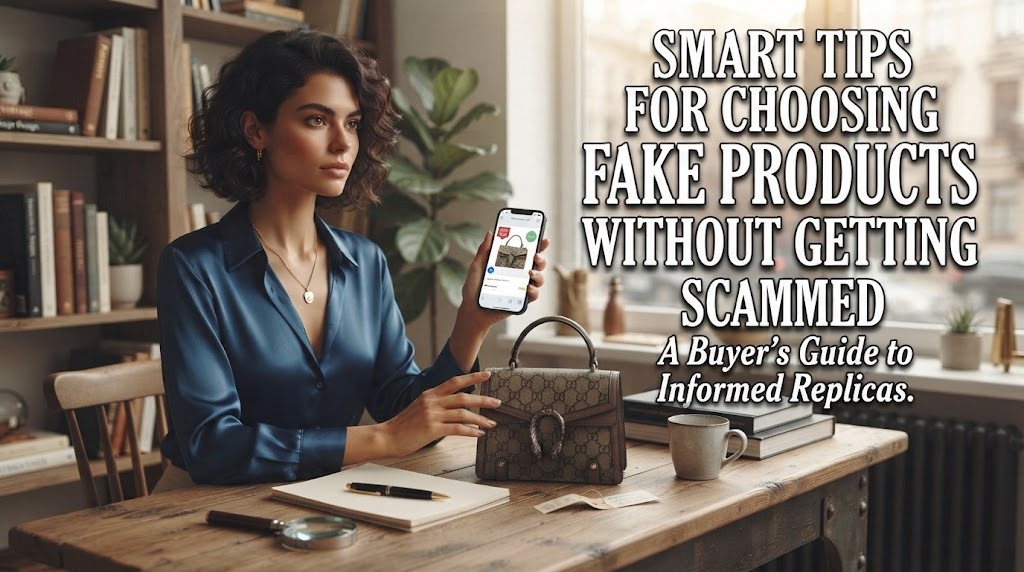
Buying products at very low prices can be tempting, especially when the item looks similar to a popular brand. However, fake products and counterfeit goods can involve significant risks, including poor quality, financial loss, and safety problems. Some sellers may also use misleading descriptions or stolen product photos to make fake items appear authentic. Therefore, consumers need to be careful when evaluating products that are advertised as cheap alternatives. The safest approach is to focus on avoiding scams and identifying suspicious sellers, rather than trying to find counterfeit products.
UNDERSTAND THE DIFFERENCE BETWEEN CHEAP AND FAKE
A low price does not automatically mean that a product is fake. Genuine products can become cheaper because of discounts, clearance sales, older models, seasonal promotions, or authorized offers. At the same time, an unusually low price combined with other warning signs can indicate a counterfeit product or a dishonest seller. Consumers should compare the advertised price with prices from trusted and authorized sellers. This provides a better basis for deciding whether an offer is reasonable.
It is also important to understand what the seller actually means by the product description. Terms such as imitation, replica, inspired, factory outlet, or similar wording can have different meanings and may sometimes be used to hide the fact that an item is not genuine. Read the description carefully before making a purchase and do not assume that a familiar logo guarantees authenticity.
USE SAFE PAYMENT METHODS
Payment safety is essential when dealing with suspiciously cheap offers. Use the payment system provided by a trusted marketplace whenever possible because it may provide transaction records and buyer protection. Avoid sending money directly to personal accounts when the seller is unknown, especially if the seller insists on moving the transaction outside the platform. Requests for cryptocurrency, gift cards, or unusual payment methods should receive extra attention.
Keep your payment confirmation, order details, receipts, and communication with the seller. These records can be important if the product never arrives or is significantly different from the listing. Never share passwords, one-time verification codes, or sensitive financial information with a seller. A legitimate transaction should not require you to provide unnecessary security credentials.
CHECK THE RETURN AND REFUND POLICY
A clear return and refund policy can provide valuable protection for consumers. Before ordering, check whether the seller accepts returns, how refunds are processed, and what conditions apply. Be particularly cautious when a seller refuses all returns or provides complicated instructions that make refunds nearly impossible. A trustworthy marketplace should make its purchasing and dispute procedures reasonably clear.
Consumers should save screenshots of the product listing, price, description, and seller information before completing an expensive purchase. This evidence can help if the listing changes after the transaction. Knowing your return rights before paying is safer than trying to solve a problem after receiving the product.
AVOID PRESSURE SALES AND SUSPICIOUS OFFERS
Scammers often use urgency to make consumers act before they have time to investigate. Messages such as limited availability, final chance, instant payment required, or special price for only a few minutes can create unnecessary pressure. Do not allow urgency to replace careful decision making. A legitimate discount can still be checked before payment.
Be especially careful when a seller contacts you unexpectedly and offers an expensive branded product at an unusually low price. Check the seller independently rather than clicking unknown links or immediately sending payment. If an offer feels suspicious, walking away is often the safest choice.
WHAT TO DO IF YOU RECEIVE A FAKE PRODUCT
If you discover that a purchased product may be counterfeit, do not immediately resell it to another person. Keep the product, packaging, receipt, invoice, and communication records as evidence. Contact the seller through the original purchasing platform and request an appropriate resolution according to its policies. If the seller does not respond, use the platform's dispute or reporting system when available.
For products involving health or safety, such as medicines, cosmetics, food, children's products, or electrical equipment, avoid using a suspicious item until its safety and authenticity can be established. Consumers can also contact the relevant brand or consumer protection authority for further assistance. Reporting suspected counterfeit products can help protect other buyers from similar scams.
CONCLUSION
There is no completely safe way to deliberately choose counterfeit products because fake goods can involve scams, poor quality, safety risks, and legal concerns. The smarter strategy is to identify suspicious offers and choose legitimate alternatives whenever possible. Checking sellers, comparing prices, examining descriptions, verifying authentication features, and using secure payment methods can significantly reduce the risk of being scammed. Consumers should also pay attention to return policies and avoid sellers who create unnecessary pressure.
A low price should never be the only reason to make a purchase. Taking a few extra minutes to research a product can protect your money and personal information. When authenticity matters, buying from an official store or authorized seller remains the safest option.
About the Author
Gusti Ayu Tita P
Author — STEKOM University
An active author focused on academic issues, educational technology, and human resource development in the campus environment.