
Smartwatches And Digital Transformation In Supporting Professional Activities
Gusti Ayu Tita P
10 September 2026
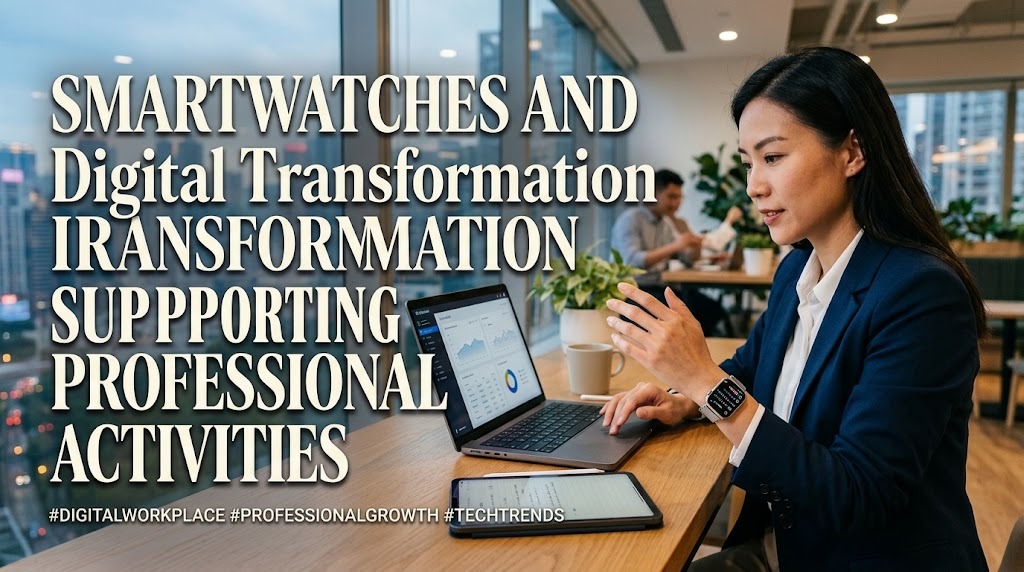
Digital transformation has changed the way people use technology in their professional activities. Smartwatches are one example of wearable technology that supports this transformation. These devices provide quick access to notifications, reminders, communication tools, and activity information. Smartwatch technology allows users to interact with selected digital services without relying entirely on computers or smartphones. This makes everyday professional activities more flexible and efficient.
The development of connected devices has also encouraged organizations and individuals to adopt more practical digital tools. Smartwatches can complement other devices used for communication and productivity. Users can receive important alerts while working, attending meetings, or moving between different locations. Their compact design makes them convenient for professionals with active schedules. As digital transformation continues, wearable devices can become part of broader technology ecosystems.
SUPPORTING PROFESSIONAL COMMUNICATION
Communication is an important part of professional activities, and smartwatches can make communication more accessible. Users can receive notifications for messages, calls, emails, and calendar events when their smartwatch is connected to a compatible device. This allows professionals to recognize important information without immediately opening a smartphone. Quick communication access can be especially useful when users are busy or away from their desks. However, users should still choose appropriate situations for responding to professional messages.
Smartwatches can also help users avoid missing important notifications. For example, a meeting reminder can appear directly on the wrist before an event begins. Short messages can sometimes be reviewed quickly without interrupting a current activity. This feature can improve responsiveness while maintaining convenience. Proper notification management remains important so that communication tools do not become a source of distraction.
IMPROVING TIME MANAGEMENT AND WORK ORGANIZATION
Professional activities often require effective time management because workers may handle multiple tasks throughout the day. Smartwatches provide alarms, reminders, calendars, and timers that can help users organize their schedules. These features allow users to receive alerts for meetings, deadlines, and planned activities. Time management becomes more practical when important schedules are visible and easy to access. A well-organized schedule can help professionals complete responsibilities more consistently.
Users can also create different reminders according to the priority of their tasks. Important meetings can receive stronger alerts, while routine activities can use simpler reminders. This approach helps prevent users from becoming overwhelmed by excessive notifications. Combining smartwatch reminders with a digital calendar can create a more structured work routine. As a result, professionals can manage their time while reducing the possibility of forgetting important activities.
ENHANCING WORK PRODUCTIVITY
Smartwatches can support productivity by providing quick information at the right moment. Users can check notifications, timers, reminders, and other selected functions without frequently switching between devices. This can reduce small interruptions during certain work activities. Work productivity may improve when technology is used to simplify routine tasks rather than create additional distractions. The effectiveness of the smartwatch still depends on how users manage its features.
Professionals can customize their devices based on the activities they perform most often. A person who attends many meetings may prioritize calendar alerts, while another user may focus on task reminders. Unnecessary notifications can be disabled to maintain concentration. These simple adjustments make the device more relevant to individual work patterns. Smartwatch technology therefore works best when it is integrated thoughtfully into an existing productivity system.
SUPPORTING HEALTH DURING PROFESSIONAL ACTIVITIES
Digital transformation is not limited to communication and productivity because technology can also support healthier work habits. Smartwatches can monitor physical activity, exercise sessions, sleep patterns, and other general wellness information. These features can remind professionals to move after spending long periods sitting or working. Health tracking can encourage greater awareness of daily habits. However, the information provided by smartwatches should not be treated as a replacement for professional medical advice.
Long working hours can sometimes cause people to ignore physical activity and regular breaks. Activity reminders may encourage users to stand, walk, or take short breaks during the day. Monitoring daily movement can also help users recognize inactive periods. Maintaining a balance between productivity and personal well-being is important for sustainable professional performance. Smartwatches can support this balance when their wellness features are used appropriately.
THE FUTURE OF WEARABLE TECHNOLOGY IN THE WORKPLACE
Wearable technology has the potential to become increasingly integrated into professional environments. Improvements in connectivity, sensors, software, and battery technology may expand the functions of future smartwatches. Devices could provide more personalized tools for communication, scheduling, productivity, and wellness. Future wearable technology may also work more closely with computers, smartphones, and other workplace systems. These developments could create more flexible ways for professionals to interact with digital services.
Organizations may also explore wearable technology for specific professional needs. Different industries can benefit from customized applications that provide relevant information to workers. As technology develops, security and privacy will also become important considerations. Users and organizations need to understand how information is collected, stored, and shared. Responsible adoption can help ensure that digital transformation provides practical benefits without creating unnecessary risks.
CONCLUSION
Smartwatches have become useful examples of how digital transformation can influence professional activities. They can support communication, time management, productivity, and general health awareness through convenient wearable features. Their effectiveness depends on proper customization and responsible technology use. Professionals should select functions that genuinely support their daily responsibilities while reducing unnecessary distractions. As wearable technology continues to develop, smartwatches may play an increasingly important role in modern professional environments.
About the Author
Gusti Ayu Tita P
Author — STEKOM University
An active author focused on academic issues, educational technology, and human resource development in the campus environment.















