
Smartwatches As Technological Innovations Creating Future Career Opportunities
Gusti Ayu Tita P
10 September 2026
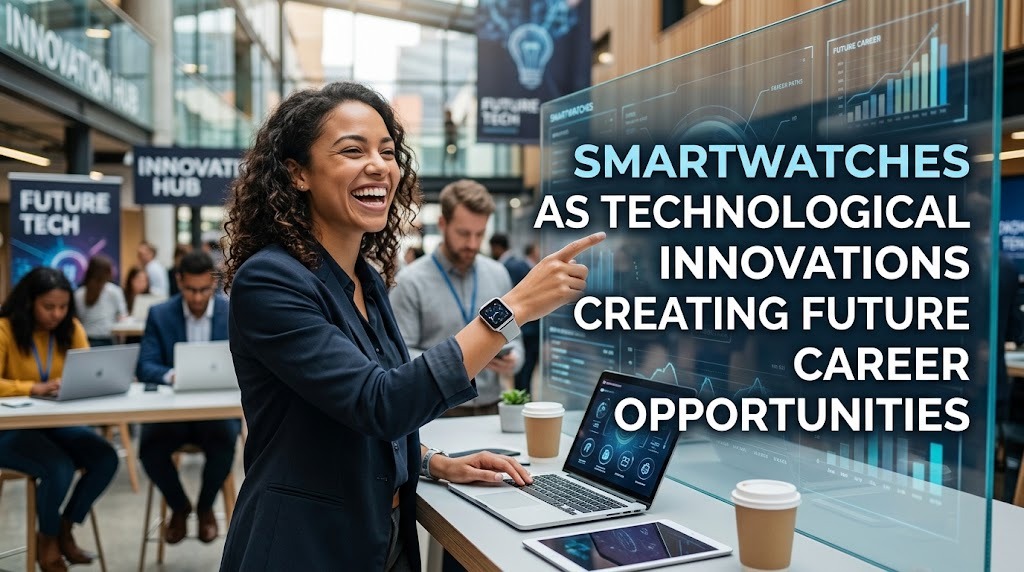
Smartwatches represent one form of wearable technology that continues to develop in the digital era. These devices combine compact hardware, sensors, software, connectivity, and various applications in one product. Their functions have expanded from simple timekeeping to communication, fitness tracking, health monitoring, and productivity support. Smartwatch Innovation demonstrates how technology can adapt to changing user needs. Continuous development also creates opportunities for people with different technical and creative skills.
The growth of smartwatch technology requires professionals who understand both hardware and software systems. Developers can create applications that provide useful functions for different types of users. Designers can also contribute by creating interfaces that are attractive and easy to use. Marketing professionals are needed to introduce new products and services to consumers. This combination of skills creates a wide technology ecosystem around wearable devices.
GROWING DEMAND FOR WEARABLE TECHNOLOGY SKILLS
The development of smartwatches contributes to the broader growth of the wearable technology industry. Companies need workers who understand digital systems, application development, data processing, and user experience. Wearable Technology also connects different areas such as electronics, software, design, health, and communication. Students who develop relevant skills may find opportunities in several technology-related fields. Learning about wearable devices can therefore become part of long-term career preparation.
Technical knowledge is not the only skill needed in this industry. Professionals also require creativity, problem-solving abilities, communication skills, and teamwork. Technology projects often involve people from different professional backgrounds. Employees must understand how to collaborate while completing specific responsibilities. Developing both technical and soft skills can increase a person's ability to adapt to changing career demands.
CAREER OPPORTUNITIES IN SMARTWATCH DEVELOPMENT
Smartwatch development can create various career opportunities for people with different areas of expertise. Software developers can create applications and systems that operate on wearable devices. Hardware engineers can work with sensors, processors, batteries, and other physical components. Career Opportunities can also exist in user interface design, quality testing, technical support, and product management. Each role contributes to the development of useful and reliable smartwatch products.
Content creators and digital marketers can also support the smartwatch industry. They can create educational content, product information, promotional materials, and social media campaigns. Data-related professionals may analyze information generated by connected devices while following appropriate privacy practices. Project managers can coordinate teams during the development and launch of new products. This shows that the smartwatch ecosystem involves much more than technical programming alone.
THE IMPORTANCE OF DIGITAL SKILLS FOR FUTURE CAREERS
Digital skills are increasingly important as technology becomes part of different professional environments. Students can start developing these skills by learning basic programming, digital design, data management, or content creation. Digital Skills can help individuals understand how modern technology works and how it can solve practical problems. Continuous learning is important because digital tools and industry requirements can change quickly. People who are willing to improve their skills may become better prepared for future opportunities.
Learning can also take place through practical projects and teamwork. Students can experiment with simple applications, digital designs, or technology-related assignments. These activities can help them build experience while improving problem-solving abilities. Creating a portfolio can also demonstrate skills to potential employers or educational institutions. Practical experience can therefore complement formal education.
SMARTWATCHES AND NEW PROFESSIONAL FIELDS
The continued development of smartwatches may encourage the growth of new professional fields. Applications related to fitness, health, communication, navigation, productivity, and entertainment require specialized knowledge. Future Careers may emerge from technologies that are still developing today. Professionals who understand emerging technology can potentially contribute to innovative products and services. This creates an important reason for students to stay curious about technological developments.
New career fields may also combine technology with existing industries. For example, wearable devices can be connected to fitness services, education platforms, workplace systems, or digital communication. These combinations require professionals who understand both technology and the needs of a particular industry. Interdisciplinary knowledge can therefore become increasingly valuable. The ability to connect technology with real-world problems can create meaningful career opportunities.
PREPARING FOR TECHNOLOGY DRIVEN CAREERS
Preparing for a technology-driven career requires more than simply understanding current devices. Students should develop a habit of learning new tools and adapting to technological changes. Technology Development can create opportunities, but individuals need relevant skills to take advantage of them. Communication, creativity, critical thinking, and technical knowledge can work together to support career development. Building these abilities early can help students become more confident when entering the professional world.
Students can begin by identifying areas of technology that interest them. They can then practice through courses, school projects, internships, online learning, or independent projects. Experience gained from these activities can help them understand their strengths and career interests. Networking with other learners and professionals can also provide useful insights into different technology fields. With consistent preparation, students can become more ready to participate in the future digital workforce.
CONCLUSION
Smartwatches are more than practical wearable devices because their development contributes to a growing technology ecosystem. Smartwatch Innovation can create opportunities in software development, hardware engineering, design, marketing, content creation, data, and technical support. The industry also demonstrates the importance of digital skills and continuous learning. Students can prepare for future careers by developing technical abilities alongside communication, creativity, and problem-solving skills. As wearable technology continues to evolve, it may provide new career paths for people who are ready to learn and adapt.
About the Author
Gusti Ayu Tita P
Author — STEKOM University
An active author focused on academic issues, educational technology, and human resource development in the campus environment.















