Social Media and the Risk of Cyberbullying Among Teenagers
Gusti Ayu Tita P
13 Juli 2026
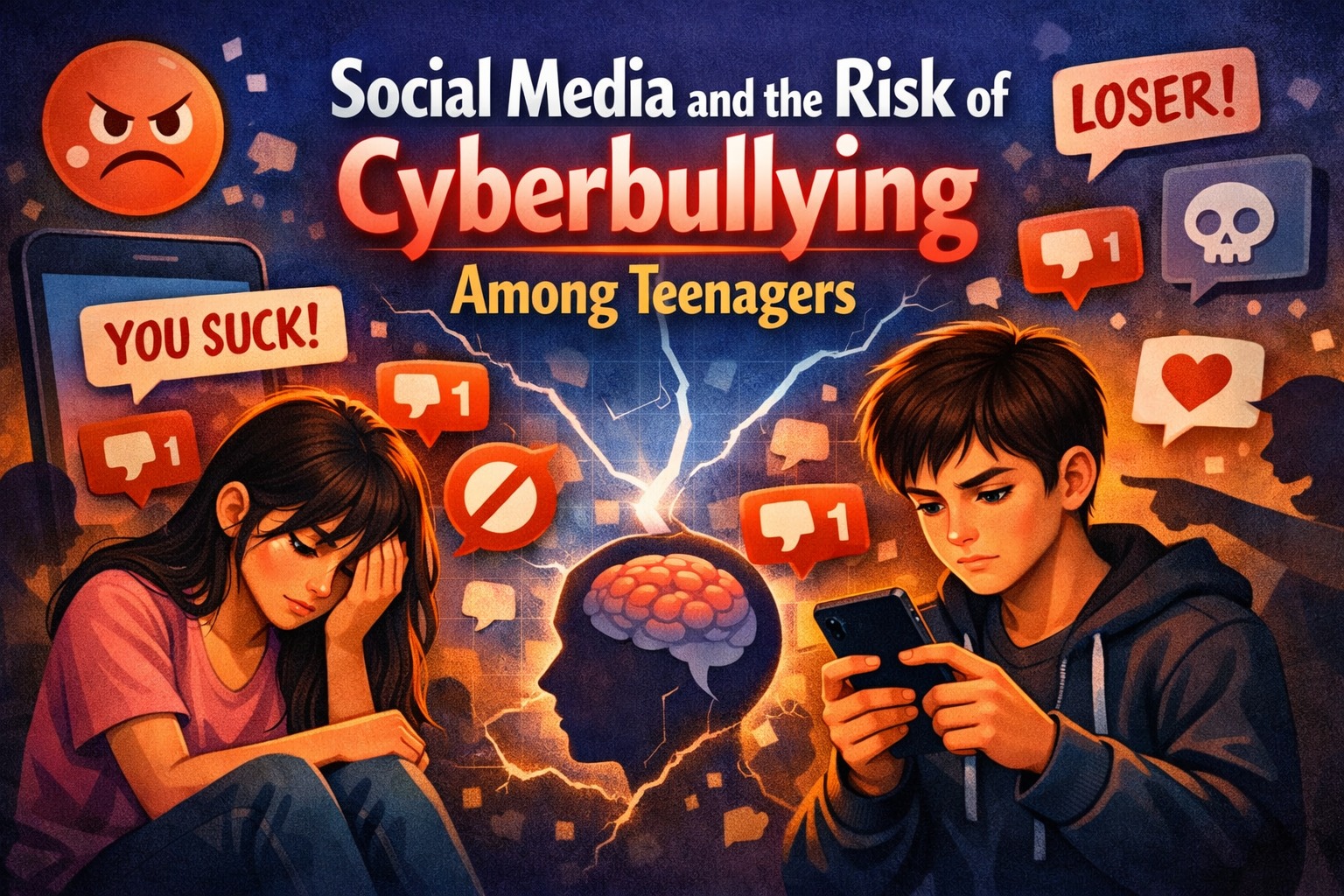
Social media has become an essential part of teenage life. Platforms such as Instagram, TikTok, Snapchat, and Facebook allow teenagers to connect, share experiences, and build friendships. However, behind these benefits lies a serious problem: cyberbullying. The rapid growth of social media has increased the risk of online harassment, making cyberbullying among teenagers a major concern for parents, teachers, and communities.
UNDERSTANDING CYBERBULLYING
Cyberbullying refers to bullying that happens through digital platforms. It can include sending hurtful messages, spreading rumors, sharing embarrassing photos, creating fake profiles, or excluding someone from online groups.
Unlike traditional bullying, cyberbullying can happen anytime and anywhere. Teenagers may face harassment even while at home, making it harder to escape the emotional impact.
WHY TEENAGERS ARE VULNERABLE
Teenagers are still developing emotionally and socially. They often seek acceptance from peers and may be deeply affected by online criticism or rejection. Social media creates an environment where negative comments can spread quickly and reach a wide audience.
Several factors make teenagers more vulnerable to cyberbullying:
- High daily use of social media
- Pressure to gain likes and followers
- Desire to fit in with peers
- Limited awareness of online consequences
- Emotional sensitivity during adolescence
COMMON FORMS OF CYBERBULLYING
Cyberbullying can appear in many forms. Some of the most common include:
HARASSING MESSAGES
Repeated insults, threats, or offensive comments sent through chats or direct messages.
PUBLIC HUMILIATION
Posting embarrassing photos, videos, or personal information to shame someone publicly.
IMPERSONATION
Creating fake accounts to damage another person's reputation.
SOCIAL EXCLUSION
Intentionally leaving someone out of group chats, online communities, or social activities.
SPREADING FALSE RUMORS
Sharing lies or gossip that harm a teenager’s image and confidence.
EFFECTS OF CYBERBULLYING ON TEENAGERS
The emotional and psychological effects of cyberbullying can be severe. Victims may experience:
- Anxiety and stress
- Depression and sadness
- Low self-esteem
- Difficulty concentrating in school
- Social withdrawal
- Sleep problems
In serious cases, prolonged cyberbullying may lead to self-harm or dangerous emotional distress.
HOW PARENTS AND SCHOOLS CAN HELP
Parents and schools play a vital role in preventing cyberbullying. Open communication is one of the most effective solutions. Teenagers should feel safe reporting online abuse without fear of punishment.
Parents can monitor online activity, discuss responsible internet behavior, and encourage empathy. Schools can provide digital safety education, anti-bullying policies, and counseling support.
TIPS FOR TEENAGERS TO STAY SAFE ONLINE
Teenagers can reduce risks by following these practical steps:
- Keep personal accounts private
- Avoid sharing sensitive information
- Block and report bullies
- Save evidence of abusive messages
- Talk to trusted adults immediately
- Treat others respectfully online
CONCLUSION
Social media offers many opportunities, but it also increases the risk of cyberbullying among teenagers. Awareness, education, and support from parents, schools, and communities are essential to create safer digital spaces. By promoting kindness and responsibility online, society can help teenagers enjoy social media without fear of harassment.
About the Author
Gusti Ayu Tita P
Author — STEKOM University
An active author focused on academic issues, educational technology, and human resource development in the campus environment.