
Social Media Mistakes That Can Damage Your Digital Footprint
Gusti Ayu Tita P
17 Agustus 2026
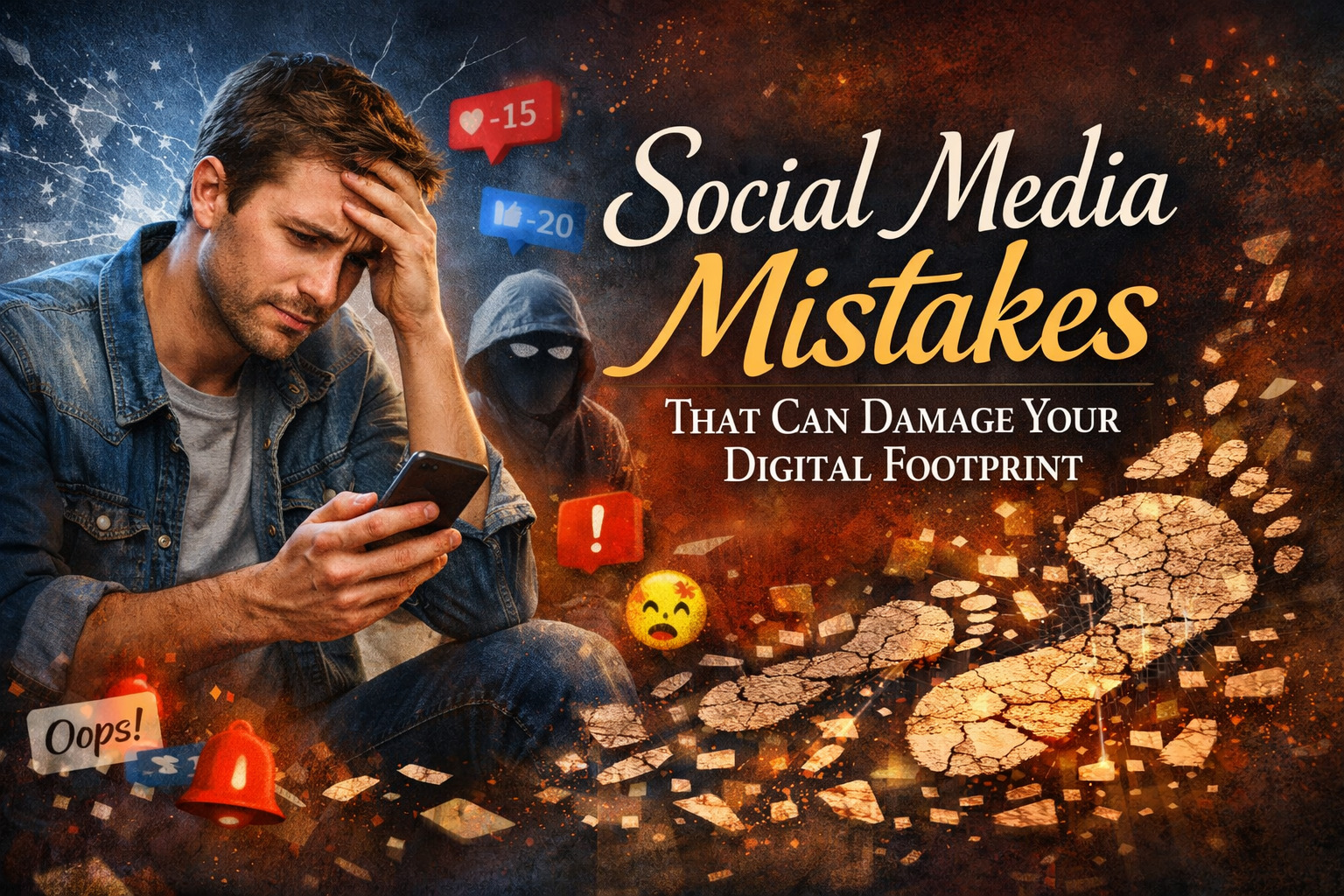
In today's digital era, social media has become a major part of daily life. People use various platforms to communicate, share experiences, build relationships, and even create professional networks. However, every action taken online contributes to a person's digital footprint, which can have long-term effects on their personal and professional life.
Many individuals underestimate how their social media behavior can influence their online reputation. Employers, educational institutions, and business partners often review online profiles before making important decisions. Understanding common social media mistakes is essential for maintaining a positive online presence and protecting future opportunities.
POSTING INAPPROPRIATE OR OFFENSIVE CONTENT
One of the most damaging social media mistakes is sharing content that is offensive, discriminatory, or inappropriate. Posts containing hate speech, insults, offensive jokes, or controversial comments can remain online for years, even after deletion. Screenshots and archived content can preserve information that users believe has disappeared. As a result, a single careless post can significantly harm a person's digital footprint.
Employers and recruiters often evaluate candidates' social media activities when assessing their professionalism. Inappropriate content may create a negative impression and reduce potential career opportunities. Maintaining respectful communication and thinking carefully before posting can help protect both personal and professional reputations.
SHARING TOO MUCH PERSONAL INFORMATION
Many users unknowingly expose sensitive information on social media. Details such as home addresses, phone numbers, financial information, travel plans, and personal documents can become targets for cybercriminals. Oversharing increases the risk of identity theft, fraud, and privacy violations.
Protecting social media privacy should be a priority for every internet user. Limiting the amount of personal information shared publicly can reduce security risks. Reviewing privacy settings regularly also helps ensure that personal data remains protected from unauthorized access.
ENGAGING IN ONLINE ARGUMENTS AND NEGATIVE BEHAVIOR
Social media platforms often encourage discussions, but excessive arguments and hostile interactions can damage an individual's online reputation. Aggressive comments, personal attacks, and public conflicts may create a negative image that others can easily see. These interactions often remain visible long after the disagreement has ended.
Professional behavior online reflects a person's character and judgment. Maintaining respectful communication, even during disagreements, demonstrates maturity and emotional intelligence. A positive approach helps strengthen personal branding and supports a healthy online presence.
POSTING WITHOUT FACT-CHECKING INFORMATION
The rapid spread of information on social media makes it easy for misinformation to circulate. Sharing false news, misleading content, or unverified claims can harm credibility and reduce trust among followers. People who repeatedly spread inaccurate information may be viewed as unreliable sources.
Before sharing content, it is important to verify information through trustworthy sources. Taking a few minutes to check facts can prevent the spread of misinformation and protect a person's digital footprint. Responsible sharing also contributes to a more informed online community.
IGNORING PRIVACY SETTINGS AND ACCOUNT SECURITY
Many social media users fail to update their privacy settings or use strong passwords. This oversight can leave accounts vulnerable to hacking, unauthorized access, and data breaches. Once an account is compromised, personal information and private content may become publicly exposed.
Strong account security practices are essential for maintaining a safe online presence. Using unique passwords, enabling two-factor authentication, and regularly reviewing privacy settings can significantly improve protection. These simple actions help preserve both security and reputation.
DELETING POSTS WITHOUT LEARNING FROM MISTAKES
Some users believe that deleting problematic posts completely removes their impact. While deleting inappropriate content is often necessary, it does not always erase the digital record. Screenshots, shared posts, and archived pages may still exist elsewhere on the internet.
Learning from past mistakes is equally important. Developing better online habits and becoming more mindful of future posts can strengthen a person's personal branding. Consistent positive behavior contributes to a healthier and more professional digital footprint over time.
CONCLUSION
A person's digital footprint is shaped by every action they take on social media. Mistakes such as posting offensive content, oversharing personal information, spreading misinformation, engaging in online conflicts, and neglecting account security can have lasting consequences. These actions may affect online reputation, career opportunities, and overall credibility.
Building a positive online presence requires awareness, responsibility, and thoughtful decision-making. By avoiding common social media mistakes and practicing good digital habits, individuals can protect their reputation, enhance their personal branding, and create a digital footprint that supports future success.
About the Author
Gusti Ayu Tita P
Author — STEKOM University
An active author focused on academic issues, educational technology, and human resource development in the campus environment.