Spiritual Connection and Its Influence on Inner Peace
Gusti Ayu Tita P
9 September 2026
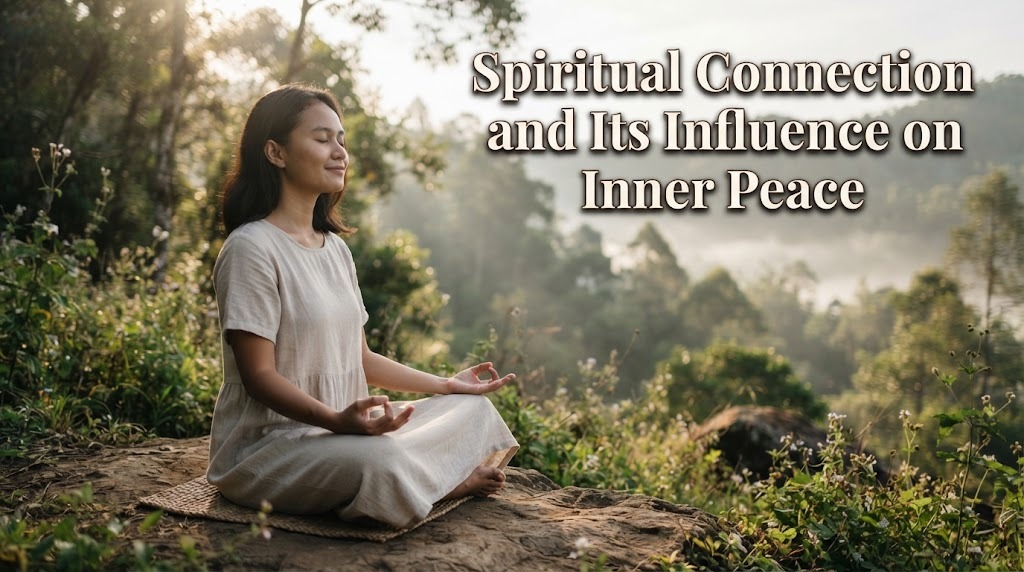
Spiritual connection is an important part of life that can help people understand themselves, their values, and the meaning of their experiences. It may be expressed through religious practices, prayer, meditation, self-reflection, gratitude, or other activities based on personal beliefs. Everyone can have a different way of developing their spiritual connection. What matters is finding an approach that provides meaning and supports a balanced life.
Inner peace does not mean living without problems or negative emotions. Instead, it refers to the ability to face challenges with greater calmness, awareness, and emotional balance. A healthy spiritual connection can provide space for reflection and help people develop a more positive perspective when dealing with difficulties. For this reason, spirituality can become one of the elements that supports inner well-being.
UNDERSTANDING SPIRITUAL CONNECTION
Spiritual connection refers to a person's sense of relationship with their inner self, personal values, beliefs, or something they consider greater than themselves. For religious individuals, this connection may involve prayer, worship, reading sacred texts, or participating in religious activities. Others may experience spirituality through meditation, reflection, nature, or meaningful relationships. There is no single form of spirituality that applies to everyone.
Developing spiritual connection usually requires time and self-awareness. People can begin by identifying the values that matter most to them and reflecting on how those values influence their daily decisions. Taking a few quiet moments each day can also create space for deeper reflection. Over time, these practices may help people understand their purpose and priorities more clearly.
SPIRITUALITY CAN HELP MANAGE STRESS
Daily life can bring pressure from work, education, relationships, finances, and unexpected situations. When stress continues without proper management, it can make the mind feel overwhelmed. Spiritual practices may provide a quiet moment to pause, reflect, and regain perspective. Activities such as prayer, meditation, or mindful reflection can become useful parts of a personal stress management routine.
Spirituality may also encourage people to recognize that not everything can be controlled. This understanding can help reduce excessive worry about situations that are beyond personal control. Instead of focusing entirely on uncertainty, people can concentrate on actions that are within their ability. However, spiritual practices should complement rather than replace professional support when someone is experiencing serious emotional or mental difficulties.
GRATITUDE CAN SUPPORT INNER PEACE
Gratitude is another practice that can strengthen spiritual connection and encourage a more balanced outlook. Taking time to appreciate simple things can shift attention away from constant dissatisfaction. People can be grateful for supportive relationships, opportunities, health, meaningful experiences, or small moments of happiness. This does not require ignoring problems or pretending that everything is perfect.
A healthy approach to gratitude allows people to acknowledge difficulties while still recognizing positive aspects of life. Writing down a few things to appreciate each day can be a simple starting point. Some people may prefer expressing gratitude through prayer or quiet reflection. When practiced consistently, gratitude can become a habit that supports emotional balance and inner peace.
SPIRITUAL CONNECTION CAN CREATE A SENSE OF PURPOSE
Having a sense of purpose can make life feel more meaningful and directed. Spiritual reflection may help people identify the values and goals they consider important. These goals do not always have to involve career achievements or material success. Helping others, developing personal character, maintaining meaningful relationships, or living according to personal values can also provide a sense of purpose.
A sense of purpose can be especially valuable during difficult periods. When circumstances change, clear personal values can provide a stable foundation for making decisions. People may still experience uncertainty, but they can have a clearer understanding of what matters to them. This can make challenges easier to approach with patience and perspective.
ACCEPTING YOURSELF AND YOUR LIMITATIONS
Self-acceptance is an important part of inner peace. Everyone has strengths, weaknesses, mistakes, and experiences that shape their lives. Spiritual reflection can encourage people to recognize these aspects without constantly judging themselves. Accepting personal limitations can reduce unnecessary comparisons with others.
Self-acceptance does not mean refusing to improve. Instead, it means acknowledging current circumstances while remaining willing to learn and grow. People can recognize their mistakes without allowing those mistakes to define their entire identity. This balanced approach can support healthier self-understanding and greater emotional stability.
BUILDING CONSISTENT SPIRITUAL HABITS
A spiritual connection can become stronger when meaningful practices are performed consistently. Depending on personal beliefs, these practices may include prayer, meditation, worship, reading spiritual materials, journaling, or quiet reflection. Consistency is generally more useful than doing many activities for a short period and then stopping. Even a few minutes of intentional reflection can become valuable when practiced regularly.
Spiritual habits should also fit naturally into everyday life. People do not need to follow someone else's routine if it does not match their beliefs or circumstances. The goal is to create meaningful moments that encourage awareness and reflection. Over time, these habits can become a stable part of daily life and contribute to a stronger sense of inner peace.
BUILDING HEALTHY RELATIONSHIPS WITH OTHERS
Spirituality is not limited to a person's relationship with themselves. Values such as compassion, honesty, kindness, and respect can also influence how people interact with others. Supporting friends, listening carefully, and helping people when appropriate can create meaningful social connections. Positive relationships can provide emotional support during difficult periods.
Healthy spiritual development also requires respecting differences. People may have different beliefs, traditions, and ways of understanding life. A strong spiritual connection does not require someone to disrespect people who think differently. Instead, empathy and mutual respect can help create healthier relationships and a more peaceful social environment.
CONCLUSION
Spiritual connection can influence inner peace by encouraging self-reflection, gratitude, self-acceptance, purpose, and emotional balance. It can provide a meaningful space to pause and understand life's challenges from a broader perspective. Spirituality does not eliminate problems, but it may help people respond to difficulties with greater awareness and calmness.
Building a spiritual connection is a personal and gradual process. Simple habits such as prayer, reflection, gratitude, meditation, meaningful reading, and acts of kindness can become part of that journey. The most important factor is consistency and choosing practices that align with personal beliefs and values. With a healthy spiritual connection, people may develop a stronger sense of meaning and greater inner peace.
About the Author
Gusti Ayu Tita P
Author — STEKOM University
An active author focused on academic issues, educational technology, and human resource development in the campus environment.