
Strategies For Improving Safety In Sea Transportation
Gusti Ayu Tita P
11 Agustus 2026
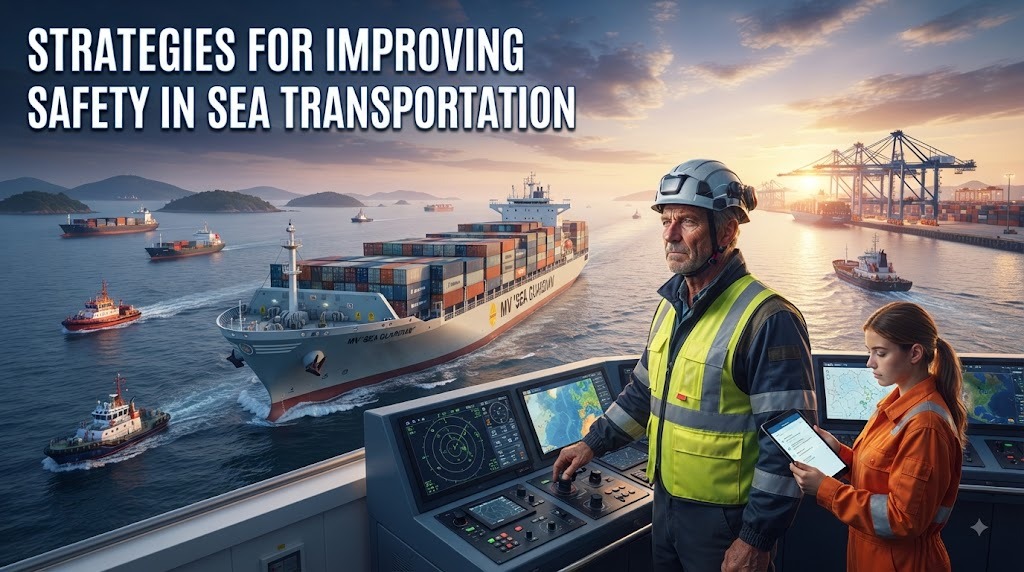
Sea transportation is an important part of global trade and passenger movement. Ships transport large quantities of goods and connect islands, countries, ports, and economic centers. However, maritime activities involve various risks, including bad weather, equipment failure, human error, collisions, and navigation problems. Maritime safety is therefore essential to protect passengers, crews, cargo, vessels, and the marine environment. Improving safety requires a combination of technology, training, proper maintenance, effective regulations, and responsible operational practices.
A strong safety system should not depend on only one measure. Shipping companies, crews, port authorities, regulators, and other maritime stakeholders need to work together. Regular inspections and clear procedures can reduce operational risks before accidents occur. Modern technologies can also provide additional information to support decision-making. With a consistent safety strategy, sea transportation can become safer, more reliable, and more efficient.
THE IMPORTANCE OF MARITIME SAFETY
Maritime safety protects human life and reduces the risk of accidents at sea. A single accident can cause injuries, loss of life, cargo damage, environmental pollution, and significant financial losses. Safety management helps identify potential hazards before they develop into serious incidents. It also provides crews with clear procedures for responding to emergencies. Strong safety practices can increase public confidence in maritime transportation.
Safety is also important for maintaining reliable transportation services. Accidents and operational disruptions can delay cargo deliveries and affect supply chains. Companies with effective safety systems are better prepared to manage unexpected situations. Regular monitoring can help identify weaknesses in vessel operations and working procedures. Therefore, safety should be treated as a fundamental part of maritime management rather than an additional activity.
PROPER TRAINING FOR CREW MEMBERS
Well-trained crew members are essential for safe maritime operations. Crews need knowledge of navigation, vessel systems, emergency procedures, communication, and occupational safety. Maritime training should combine theoretical knowledge with practical exercises. Workers should understand how to operate equipment correctly and respond to dangerous situations. Regular training can improve confidence and decision-making during emergencies.
Training should also be updated when technology and operational procedures change. Crew members need to understand digital navigation systems, communication equipment, and automated technologies. Emergency drills should be conducted regularly so that workers know their responsibilities during fires, collisions, flooding, or other incidents. Training records should be maintained to ensure that required competencies remain current. Skilled crews can significantly reduce the risks associated with human error.
REGULAR VESSEL INSPECTION
Regular vessel inspections are necessary to identify mechanical and structural problems. Engines, navigation systems, communication equipment, safety equipment, and other critical components should be checked according to established requirements. Vessel inspection can detect problems before they create serious risks. Inspections should be conducted by qualified personnel using appropriate procedures.
Companies should also keep accurate records of inspection results and repairs. Problems that are identified should be addressed without unnecessary delays. Safety equipment such as lifeboats, fire extinguishers, alarms, and emergency communication systems must remain operational. Independent inspections may provide additional assurance when required by regulations. A well-inspected vessel is better prepared for safe operations.
PREVENTIVE AND PREDICTIVE MAINTENANCE
Maintenance plays an important role in preventing equipment failures at sea. Preventive maintenance involves servicing equipment according to established schedules. Predictive maintenance goes further by using sensors and data to identify early signs of potential failures. Both approaches can reduce unexpected breakdowns and improve vessel reliability.
Modern monitoring systems can measure factors such as vibration, temperature, pressure, and engine performance. Abnormal changes may indicate that equipment requires inspection or repair. Addressing problems early can reduce the possibility of major failures during a voyage. Maintenance should always be carried out by qualified personnel using appropriate parts and procedures. Combining traditional inspections with modern monitoring can strengthen vessel safety.
DEVELOPING A STRONG SAFETY CULTURE
Safety should become part of everyday behavior within maritime organizations. A strong safety culture encourages workers to identify hazards and report problems without fear of unnecessary punishment. Employees should understand that safety is everyone's responsibility. Management must demonstrate commitment by providing resources, training, and clear procedures.
Organizations should learn from accidents, near misses, and safety observations. Regular safety meetings can help employees discuss risks and possible improvements. Management should investigate incidents carefully to identify their underlying causes. Lessons learned should be applied to prevent similar events in the future. A positive safety culture can reduce risky behavior and improve overall operational performance.
REDUCING HUMAN ERROR
Human error is one of the factors that can contribute to maritime accidents. Fatigue, poor communication, insufficient training, distraction, and excessive workload can affect decision-making. Human error reduction requires both individual awareness and organizational support. Crew schedules should allow adequate rest and recovery.
Companies can also use checklists and standardized procedures to reduce avoidable mistakes. Important operations should involve appropriate communication and verification between crew members. Training can help workers recognize situations where errors are more likely to occur. Automation may reduce some repetitive tasks, but crews must remain capable of taking control when necessary. A balanced approach can improve safety without depending entirely on technology.
STRENGTHENING SAFETY REGULATIONS
Clear maritime regulations provide a common safety framework for shipping operations. Regulations can establish requirements for vessel construction, equipment, crew qualifications, navigation, pollution prevention, and emergency procedures. Maritime regulations should be consistently implemented and monitored. Effective enforcement encourages companies to maintain proper safety standards.
Regulations should also adapt to technological developments and changing maritime risks. Authorities need sufficient resources and trained personnel to conduct inspections and enforcement. Companies should maintain accurate documentation and demonstrate compliance with applicable requirements. Cooperation between national and international maritime authorities can improve consistency. Strong regulations combined with effective enforcement can reduce unsafe practices.
IMPROVING PORT SAFETY
Port safety is closely connected to vessel safety. Ports involve activities such as loading, unloading, fueling, passenger movement, cargo storage, and vessel maneuvering. Port safety requires proper procedures, trained workers, suitable equipment, and clear traffic management. Poor coordination can increase the risk of accidents.
Ports should regularly inspect cranes, loading equipment, navigation aids, emergency systems, and access areas. Communication between port operators and vessel crews should be clear before and during vessel movements. Emergency response teams should also be prepared to act quickly. Digital systems can help monitor vessel traffic and coordinate port activities. A safe port environment supports safer maritime transportation overall.
STRENGTHENING CYBERSECURITY
Modern ships and ports increasingly depend on digital systems. Navigation, communication, cargo management, and engine monitoring may involve connected technologies. This creates potential cybersecurity risks that can affect maritime operations. Maritime cybersecurity should therefore become part of the overall safety strategy.
Companies should use strong passwords, access controls, software updates, network protection, and employee training. Important systems should be separated where appropriate to reduce the impact of a cyber incident. Regular security assessments can help identify weaknesses. Emergency plans should also include procedures for responding to digital disruptions. Protecting digital systems helps maintain both operational continuity and maritime safety.
USING SAFETY MANAGEMENT SYSTEMS
A Safety Management System provides an organized framework for identifying and controlling operational risks. It can define responsibilities, procedures, reporting systems, and emergency responses. Safety management systems help companies create consistent practices across vessels and shore-based operations. They also provide a structure for continuous improvement.
Companies should regularly evaluate whether safety procedures are working effectively. Internal audits and incident reviews can identify areas that need improvement. Employees should understand their responsibilities within the system. Management should provide sufficient resources to implement safety requirements. A well-managed safety system can support safer and more consistent maritime operations.
PROTECTING THE MARINE ENVIRONMENT
Maritime safety also includes preventing environmental damage. Oil spills, improper waste disposal, and accidental releases can harm marine ecosystems and coastal communities. Environmental protection should therefore be integrated into maritime safety planning. Ships need appropriate procedures for handling fuel, chemicals, waste, and other potentially harmful materials.
Crews should receive training in pollution prevention and emergency response. Equipment used to contain spills should be available and properly maintained. Companies should also follow applicable environmental requirements and reporting procedures. Cleaner fuels and more efficient vessel operations can further reduce environmental impacts. Protecting the marine environment supports sustainable maritime transportation.
THE ROLE OF TECHNOLOGY IN FUTURE SAFETY
Future maritime safety will increasingly depend on advanced digital technologies. Artificial intelligence, predictive analytics, smart sensors, automation, and improved communication systems can provide additional safety information. Smart maritime technology can help identify risks before they become serious incidents. These tools can also improve route planning, equipment monitoring, and emergency response.
However, technology should support rather than completely replace human expertise. Crews must understand how systems work and what to do when technology fails. Cybersecurity and system reliability must be considered during technology adoption. Continuous training will be necessary as new tools are introduced. Combining advanced technology with skilled personnel can create a stronger maritime safety environment.
CONCLUSION
Improving safety in sea transportation requires a comprehensive and continuous approach. Regular vessel inspections, preventive maintenance, crew training, weather monitoring, modern navigation systems, emergency drills, and effective communication can reduce operational risks. Strong safety cultures and clear regulations are equally important. Technology can provide valuable support, but it must be combined with skilled human decision-making.
The future of maritime safety depends on modern technology, trained workers, strong safety management, effective regulations, and environmental responsibility. Shipping companies, governments, port operators, and maritime workers must cooperate to identify risks and improve safety standards. Continuous evaluation and learning can help prevent repeated incidents. By applying these strategies consistently, sea transportation can become safer, more reliable, and more sustainable.
About the Author
Gusti Ayu Tita P
Author — STEKOM University
An active author focused on academic issues, educational technology, and human resource development in the campus environment.















