Strategies For Youngest Children To Turn A Relaxed Attitude Into A Career Advantage
Gusti Ayu Tita P
7 September 2026
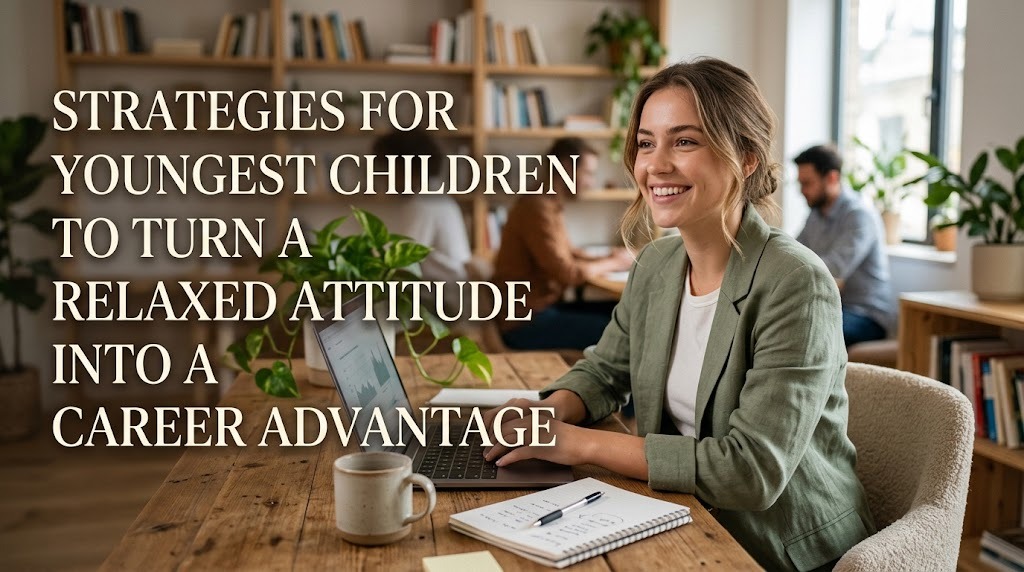
Youngest children are sometimes described as having a relaxed and easygoing attitude. They may appear comfortable in social situations, enjoy interacting with others, and prefer handling challenges without excessive pressure. While being relaxed can sometimes be misunderstood as a lack of seriousness, it can actually become a valuable strength when managed properly.
In the workplace, an easygoing personality can help someone remain calm, communicate effectively, and adapt to different situations. However, relaxation needs to be balanced with discipline, responsibility, and professionalism. With the right strategies, youngest children can turn their natural personality traits into advantages for long-term career growth.
UNDERSTANDING THE VALUE OF A RELAXED ATTITUDE
A relaxed attitude can help people remain calm when facing pressure or unexpected situations. Youngest children who naturally have an easygoing personality may find it easier to avoid unnecessary panic. This can help them think more clearly when dealing with workplace challenges.
Being relaxed does not mean ignoring responsibilities. Instead, it can mean maintaining emotional balance while completing important tasks. When combined with professionalism, a calm attitude can make someone more comfortable when working with colleagues, clients, and supervisors.
BUILDING STRONG WORK DISCIPLINE
One important strategy is developing strong work discipline. A relaxed personality can become a weakness if it causes someone to delay tasks or underestimate deadlines. Therefore, youngest children should learn to manage their time and responsibilities consistently.
Creating a daily schedule can help keep important tasks organized. Setting priorities also makes it easier to determine which responsibilities need immediate attention. By developing consistent work habits, a relaxed attitude can remain positive without reducing productivity.
USING SOCIAL SKILLS EFFECTIVELY
Youngest children may have frequent opportunities to interact with older siblings, parents, and other family members. These experiences can help some individuals become comfortable communicating with different personalities. Strong social skills can become an important advantage in professional environments.
Good communication can support teamwork, networking, and workplace relationships. Youngest children can use their friendly personality to build positive connections while still maintaining professional boundaries. This combination can make communication more effective and create opportunities for career development.
STAYING CALM WHEN FACING PRESSURE
The workplace can involve deadlines, criticism, unexpected changes, and demanding responsibilities. A calm personality can help employees respond to these situations more rationally. Instead of reacting emotionally, they can take time to understand the situation and determine an appropriate response.
However, staying calm should not mean avoiding difficult problems. Youngest children should learn to face challenges directly while maintaining a positive mindset. Developing emotional control can help them remain productive even when workplace conditions become stressful.
TURNING FLEXIBILITY INTO AN ADVANTAGE
An easygoing personality can be useful when employees need to adapt to changing tasks or environments. Youngest children may become accustomed to adjusting to different family situations and personalities. This experience can support flexibility when working with different teams and responsibilities.
Flexibility is especially valuable in modern workplaces where technology, work methods, and professional expectations can change quickly. Youngest children can strengthen this advantage by staying open to learning new skills. Being adaptable while maintaining responsibility can make them valuable members of a team.
BALANCING RELAXATION WITH PROFESSIONALISM
The most important strategy is finding a balance between being relaxed and remaining professional. Youngest children do not need to completely change their personalities to succeed in their careers. Instead, they can maintain their natural friendliness and calmness while developing discipline and accountability.
Professional success requires more than personality traits. Responsibility, punctuality, communication, teamwork, and continuous learning are equally important. When these qualities are combined with a relaxed attitude, youngest children can build a professional identity that is both approachable and dependable.
CONCLUSION
A relaxed attitude can become a valuable career advantage when supported by discipline, responsibility, and professional behavior. Youngest children can use their calm personality, social skills, flexibility, and positive attitude to handle workplace situations effectively.
The key is not to eliminate a relaxed personality but to manage it wisely. By balancing calmness with discipline, youngest children can become adaptable, confident, and dependable professionals who are ready to face different career challenges.
About the Author
Gusti Ayu Tita P
Author — STEKOM University
An active author focused on academic issues, educational technology, and human resource development in the campus environment.