
Strategies to Bounce Back After Career or Academic Failure
Gusti Ayu Tita P
24 Agustus 2026
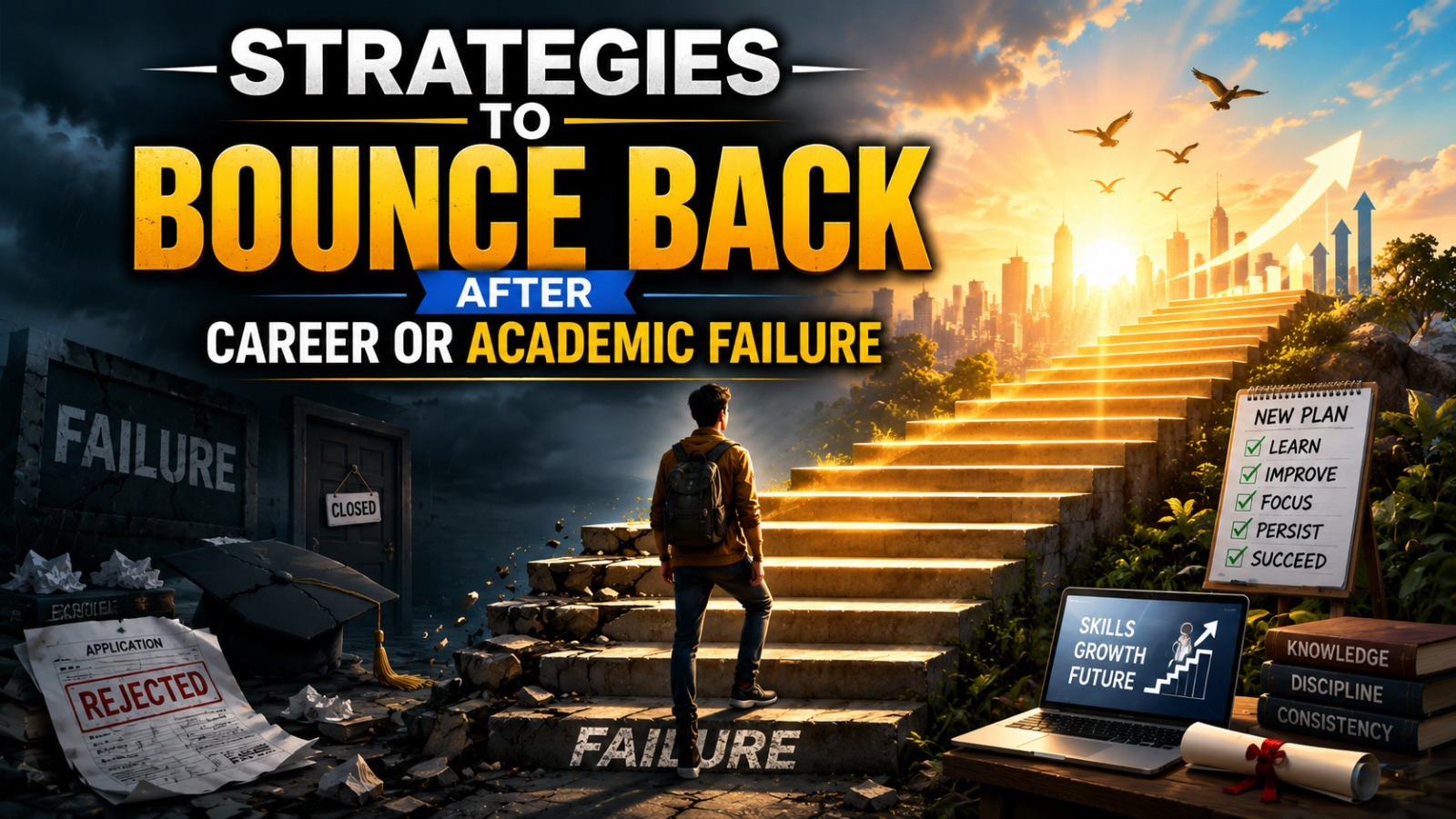
Failure in school or career can feel overwhelming, but it often becomes the turning point for long-term success. Many people who achieve great things first experience setbacks that reshape their mindset, goals, and strategies. Instead of seeing failure as an end, you can treat it as a powerful learning opportunity that opens new paths.
UNDERSTANDING FAILURE AS A LEARNING PROCESS
Failure is not a personal flaw—it is feedback. When something does not go as planned, it provides valuable insights into what needs improvement. Academic rejection, job loss, or missed opportunities often reveal gaps in skills, planning, or mindset. Accepting this perspective helps shift your focus from disappointment to growth.
Recognizing that setbacks are part of progress allows you to move forward with less fear and more determination.
MANAGE YOUR EMOTIONS FIRST
Before creating a comeback plan, it is important to process your emotions. Feelings of frustration, embarrassment, or sadness are normal. Ignoring them may slow your recovery.
Try these steps:
* Take a short break to clear your mind
* Talk with supportive friends or mentors
* Write down your thoughts and lessons learned
Emotional recovery builds mental strength and prepares you to act rationally instead of reacting impulsively.
ANALYZE WHAT WENT WRONG
Once emotions settle, examine the situation honestly. Ask yourself:
* What factors led to the setback?
* Which parts were under your control?
* What skills or knowledge were missing?
This reflection turns failure into a roadmap for improvement. Instead of blaming circumstances, focus on actionable insights you can use for your next attempt.
SET NEW AND REALISTIC GOALS
After understanding your mistakes, redefine your goals. Large ambitions are great, but they must be supported by smaller, achievable milestones.
For example:
* Break long-term goals into weekly or monthly targets
* Prioritize skill development
* Track progress regularly
Small wins create momentum and rebuild confidence step by step.
IMPROVE SKILLS AND KNOWLEDGE
Many career or academic setbacks happen because skills need upgrading. Use this moment to invest in learning.
Ways to grow include:
* Taking online courses or certifications
* Practicing soft skills such as communication and time management
* Seeking mentorship or feedback
Continuous learning increases confidence and makes you more prepared for future opportunities.
BUILD A STRONG SUPPORT NETWORK
You do not have to recover alone. Surround yourself with people who encourage growth and offer constructive advice. Mentors, teachers, colleagues, and family can provide perspectives you may not see on your own.
Support systems help maintain motivation, especially when progress feels slow.
DEVELOP RESILIENCE AND A GROWTH MINDSET
Resilience is the ability to keep moving forward despite challenges. A growth mindset allows you to believe that abilities can improve with effort.
Practice resilience by:
* Celebrating small achievements
* Accepting mistakes without harsh self-judgment
* Staying consistent even when results take time
Over time, resilience transforms setbacks into stepping stones.
TAKE ACTION AND TRY AGAIN
The most important step is to start again. Waiting for the “perfect moment” often delays progress. Even small actions—updating your resume, reapplying for programs, or starting new projects—can reignite momentum.
Remember: success often belongs to those who keep trying after setbacks.
CONCLUSION
Career or academic failure does not define your future. With reflection, skill improvement, emotional resilience, and consistent action, setbacks can become powerful catalysts for growth. Every failure holds lessons that bring you closer to success—if you are willing to learn and move forward.
About the Author
Gusti Ayu Tita P
Author — STEKOM University
An active author focused on academic issues, educational technology, and human resource development in the campus environment.















