Strategies To Reduce Stress With A Slow Living Lifestyle
Gusti Ayu Tita P
15 Oktober 2026
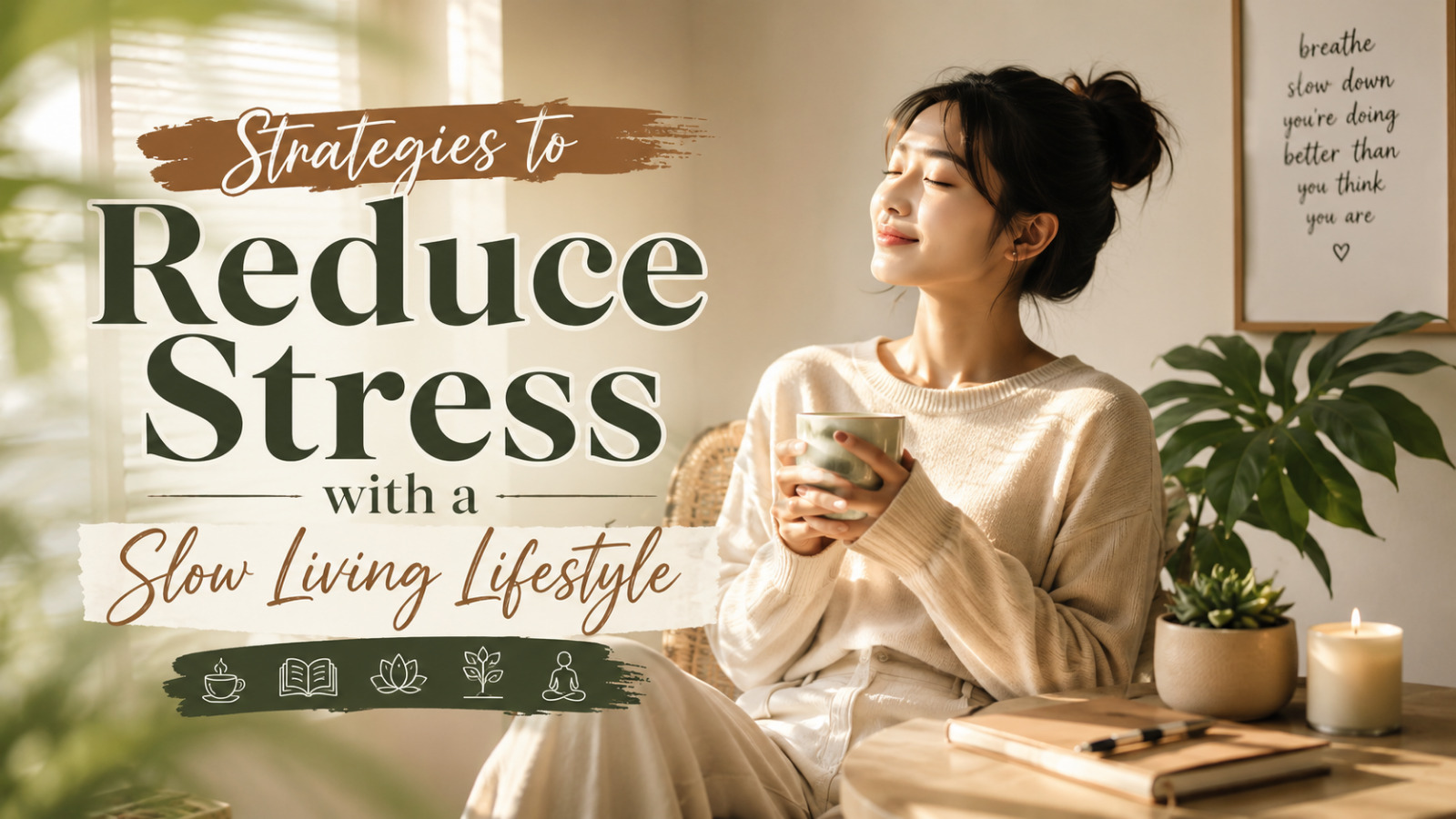
In today's fast-paced world, many people experience constant pressure from work, technology, and daily responsibilities. Busy schedules often leave little time for relaxation, causing stress to build up over time. This is why many individuals are embracing the Slow Living Lifestyle as a healthier way to achieve balance and improve overall well-being.
A Slow Living Lifestyle encourages people to focus on what truly matters rather than constantly chasing productivity. It promotes mindful living, healthier habits, and a calmer mindset. This article explains practical Strategies To Reduce Stress With A Slow Living Lifestyle, along with its benefits and simple ways to apply it in everyday life.
WHAT IS A SLOW LIVING LIFESTYLE?
A Slow Living Lifestyle is a way of living that emphasizes quality over quantity. Instead of rushing through daily activities, people intentionally slow down and give full attention to each moment. This lifestyle encourages individuals to make thoughtful decisions, reduce unnecessary distractions, and enjoy meaningful experiences.
Living slowly does not mean being lazy or avoiding responsibilities. Instead, it means managing time wisely while maintaining physical and mental well-being. By adopting this approach, people often experience lower stress levels and greater life satisfaction.
WHY SLOW LIVING HELPS REDUCE STRESS?
Stress often comes from feeling overwhelmed by endless tasks and unrealistic expectations. A Slow Living Lifestyle allows individuals to prioritize important activities and let go of unnecessary pressure. This creates more mental space for relaxation and emotional stability.
Practicing slow living also supports Mental Wellness by encouraging mindfulness and emotional awareness. People become more present in their daily routines, making it easier to appreciate simple moments while reducing anxiety about the future.
PRACTICAL STRATEGIES TO PRACTICE SLOW LIVING
One of the most effective ways to begin is by simplifying daily routines. Create a realistic schedule that includes time for rest, healthy meals, exercise, and hobbies. Avoid multitasking whenever possible because focusing on one task at a time usually improves both productivity and peace of mind.
Another useful strategy is limiting digital distractions. Reduce unnecessary screen time, turn off non-essential notifications, and spend more time connecting with family, nature, or personal interests. These simple habits support Stress Management while improving overall emotional balance.
BUILD HEALTHY DAILY HABITS
Healthy routines play an important role in maintaining a calm lifestyle. Getting enough sleep, eating nutritious food, staying hydrated, and exercising regularly all contribute to better mental and physical health. Small daily improvements often create lasting positive results.
Practicing gratitude is another powerful habit. Writing down a few things you appreciate each day helps shift attention away from stress and toward positive experiences. Over time, this habit strengthens optimism and emotional resilience.
CREATE A PEACEFUL ENVIRONMENT
Your surroundings have a significant influence on your mood and productivity. Keeping your home or workspace clean and organized can reduce mental clutter and create a more relaxing atmosphere. Adding natural elements such as plants, sunlight, or fresh air can also improve comfort.
A peaceful environment supports Mindful Living by helping you focus on the present moment. Even a quiet corner for reading, meditation, or reflection can become a valuable space for reducing daily stress.
DEVELOP A HEALTHY WORK-LIFE BALANCE
Many people experience burnout because they struggle to separate work from personal life. Setting clear working hours and respecting personal boundaries can help prevent excessive stress. Remember that rest is an essential part of long-term productivity.
Spending quality time with family, friends, or hobbies also strengthens emotional health. Maintaining a balanced lifestyle allows individuals to recharge and return to their responsibilities with greater energy and motivation.
COMMON MISTAKES TO AVOID
Some people believe slow living means avoiding ambition or reducing productivity. In reality, it focuses on working more intentionally rather than working endlessly. The goal is to improve efficiency while protecting mental health.
Another mistake is expecting immediate results. Building a Balanced Lifestyle requires patience and consistency. Small daily changes often produce the greatest long-term benefits.
BENEFITS OF A SLOW LIVING LIFESTYLE
Adopting a Slow Living Lifestyle provides many long-term advantages. People often experience improved emotional well-being, stronger relationships, better concentration, and healthier daily routines. Reduced stress also contributes to better sleep quality and increased energy.
In addition, slow living encourages individuals to make thoughtful decisions and enjoy meaningful experiences instead of constantly rushing toward the next goal. These benefits support both personal happiness and professional success.
CONCLUSION
A Slow Living Lifestyle offers a practical and sustainable approach to reducing stress in today's busy world. By practicing Mindful Living, improving Stress Management, strengthening Mental Wellness, and creating a Balanced Lifestyle, individuals can enjoy greater peace, better health, and a more meaningful life.
The journey toward slow living does not require dramatic changes. Simple daily habits, consistent self-care, and intentional choices can gradually transform your mindset and help you build a calmer, healthier, and more fulfilling future.
About the Author
Gusti Ayu Tita P
Author — STEKOM University
An active author focused on academic issues, educational technology, and human resource development in the campus environment.