Strengthening a Growth Mindset to Enhance Student Resilience and Academic Achievement
Gusti Ayu Tita P
1 April 2026
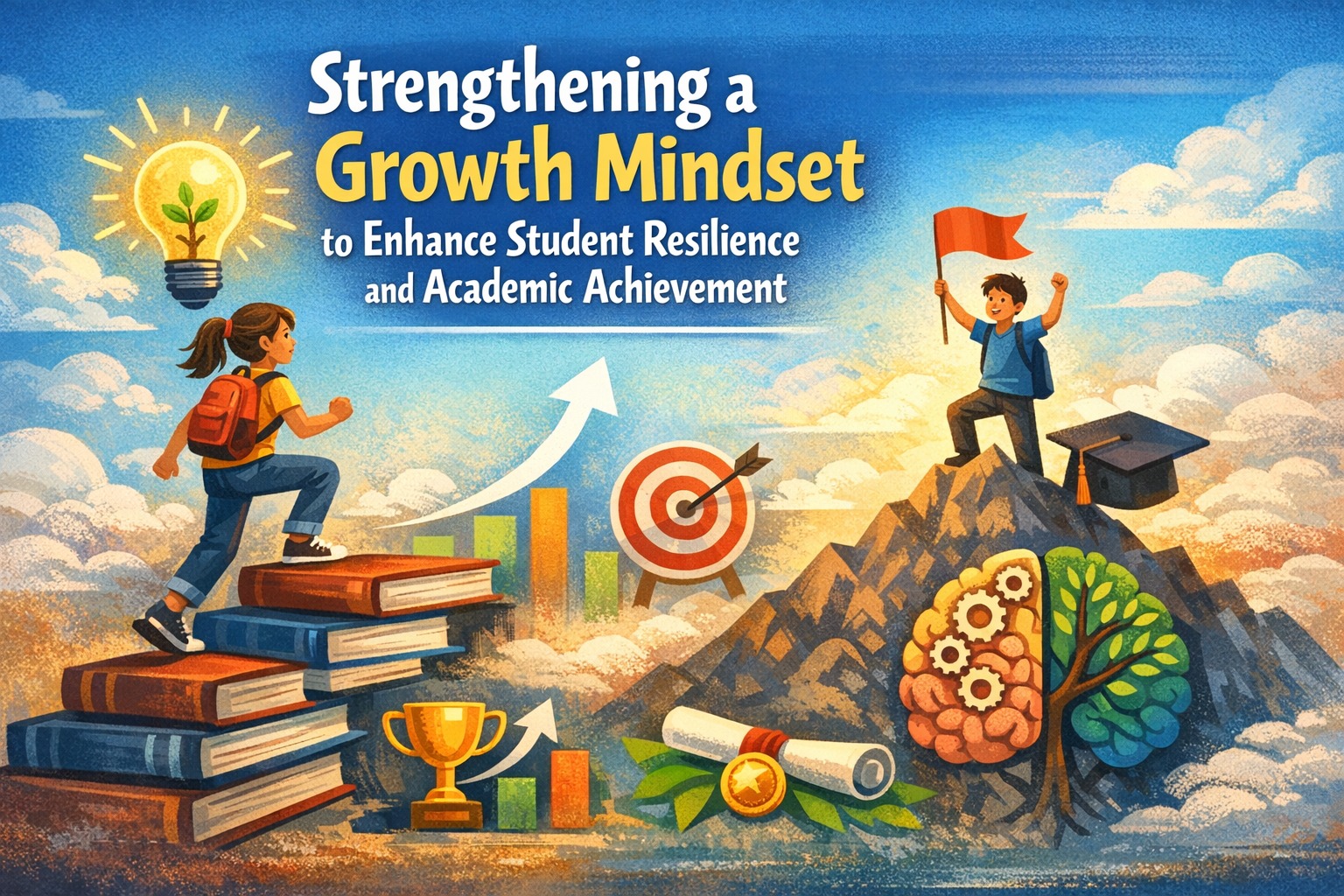
Academic success is often associated with grades, intelligence, and natural ability. However, students also need the ability to respond positively when they encounter difficult lessons, disappointing results, or unexpected challenges. A growth mindset can encourage students to view abilities as skills that can develop through learning, practice, effective strategies, and feedback. This perspective can help students become more willing to learn from mistakes and continue improving.
A growth mindset does not mean believing that effort alone guarantees success. Students still need appropriate learning methods, guidance, resources, and realistic goals. When these elements are combined, students can develop stronger academic resilience and improve their ability to handle challenges. Over time, this approach can support more sustainable academic development.
UNDERSTANDING THE GROWTH MINDSET
A growth mindset is a way of thinking that recognizes that many abilities can develop through learning and practice. Students with this perspective are more likely to see challenges as opportunities to improve rather than as proof that they lack ability. They understand that becoming better often requires time, repeated practice, and adjustment. This can encourage students to remain engaged when learning becomes difficult.
The opposite perspective is often described as a fixed mindset, where abilities are viewed as largely unchangeable. Students with a fixed mindset may avoid challenging tasks because they are afraid of making mistakes or appearing less capable. A growth mindset encourages a different response by focusing attention on the learning process. However, students should also understand that improvement depends on effective effort and appropriate strategies, not effort alone.
THE CONNECTION BETWEEN GROWTH MINDSET AND RESILIENCE
Academic resilience refers to the ability to respond constructively to setbacks and continue working toward academic goals. A growth mindset can support resilience because students are encouraged to interpret difficulties as part of the learning process. When a student receives a low grade, they can examine what went wrong and identify ways to improve. This response can be more productive than immediately concluding that they are incapable.
Resilience does not mean ignoring disappointment or pretending that academic difficulties are easy. Students can acknowledge frustration while still looking for practical solutions. They may ask for feedback, change their study method, or seek additional explanations. These actions demonstrate how a growth mindset can turn setbacks into opportunities for learning and adaptation.
SETTING REALISTIC ACADEMIC GOALS
Realistic academic goals can help students translate a growth mindset into practical action. Rather than setting vague goals such as becoming smarter, students can create specific targets that can be monitored. Examples include completing regular practice exercises, improving understanding of a difficult topic, or developing better study habits. Specific goals make progress easier to recognize.
Goals should also be flexible because students may encounter unexpected challenges. If a target is too difficult within a certain period, it can be adjusted without abandoning the overall objective. Students can divide larger goals into smaller milestones to make progress more manageable. This approach supports motivation while reducing the pressure to achieve immediate perfection.
BUILDING EFFECTIVE LEARNING HABITS
A growth mindset becomes more meaningful when supported by effective learning habits. Students can use active recall, practice questions, spaced learning, note organization, and regular review depending on the subject. The most appropriate strategy may differ from one student or course to another. Students should evaluate whether their chosen methods actually improve understanding.
Consistency is also important. Studying only before examinations can make it difficult to identify weaknesses early. Regular practice gives students more opportunities to review difficult concepts and adjust their strategies. Sustainable academic improvement usually develops through small and consistent actions rather than short periods of intense effort.
USING SELF REFLECTION FOR IMPROVEMENT
Self reflection allows students to examine their learning process more carefully. After completing an assignment or examination, students can ask what worked, what did not work, and what should change next time. This process helps them identify patterns in their academic behavior. It can also encourage students to take greater responsibility for their learning.
Reflection should focus on actions and strategies rather than negative labels. Instead of saying that they are bad at a subject, students can identify the specific concept or skill that needs more practice. This creates a more useful foundation for improvement. Self awareness and reflection can therefore strengthen both resilience and academic performance.
THE ROLE OF TEACHERS AND SUPPORT SYSTEMS
Students do not develop a growth mindset entirely on their own. Teachers, lecturers, parents, and peers can influence how students respond to challenges and feedback. Supportive learning environments can encourage students to ask questions, make mistakes, and try again without unnecessary fear of failure. Constructive guidance can also help students identify realistic ways to improve.
Students should also be encouraged to seek help when they face difficulties. Asking for assistance can provide new explanations, resources, or strategies that make learning easier. A strong support system does not remove responsibility from students. Instead, it provides resources that can help them become more capable and independent learners.
CONCLUSION
Strengthening a growth mindset can help students develop greater resilience and improve their approach to academic challenges. It encourages them to see abilities as developable, learn from mistakes, use feedback, set realistic goals, and adjust their learning strategies. These habits can support students when they face difficult subjects, disappointing results, or demanding academic responsibilities.
Academic achievement is not simply about being naturally talented or achieving perfect results. Resilience, effective learning habits, self reflection, and a willingness to improve are also valuable parts of long term success. By combining a growth mindset with practical learning strategies and appropriate support, students can become more adaptable and better prepared for future academic challenges.
About the Author
Gusti Ayu Tita P
Author — STEKOM University
An active author focused on academic issues, educational technology, and human resource development in the campus environment.