
Subsidized Homes as a First Step to Ownership
Gusti Ayu Tita P
21 Agustus 2026
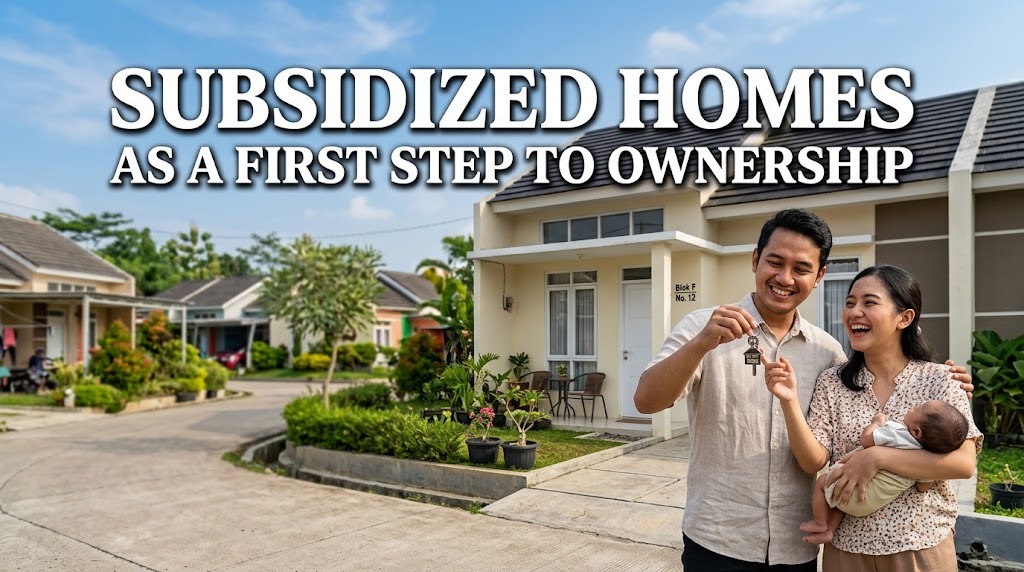
Owning a home is an important goal for many people, especially those who are starting an independent life. However, rising property prices can make homeownership difficult for first-time buyers. Subsidized homes can provide an affordable path for eligible households that want to move from renting toward owning their first property.
A subsidized home is not simply about finding a lower purchase price. Buyers also need to consider financing, location, building quality, eligibility requirements, and long-term affordability. With careful preparation, a subsidized home can become a practical first step toward stable and responsible homeownership.
WHY SUBSIDIZED HOMES MATTER FOR FIRST TIME BUYERS?
Buying a first home can feel challenging because it involves a long-term financial commitment. Many first-time buyers have limited savings and may still be managing other monthly expenses. Subsidized housing programs are designed to improve access to affordable housing for eligible households.
For people who qualify, this type of housing can make ownership more achievable than purchasing a conventional property. Affordable financing can also help buyers manage their monthly budgets more effectively. However, affordability should always be evaluated based on personal income and regular expenses.
UNDERSTANDING SUBSIDIZED HOME FINANCING
One example of an affordable housing financing program in Indonesia is KPR Sejahtera FLPP, which is managed through BP Tapera. The program is intended for eligible low-income communities and provides specific financing facilities. Current information from BP Tapera states that the FLPP scheme includes a 5 percent fixed interest rate, with a down payment starting from 1 percent under the applicable requirements.
These facilities can make monthly housing payments more predictable for eligible buyers. However, applicants should not assume that every subsidized home automatically has identical costs or terms. Buyers should verify the latest financing conditions with official sources and participating banks before making a commitment.
PREPARING YOUR FINANCES BEFORE BUYING
Financial preparation is one of the most important steps before purchasing a home. Start by calculating monthly income, essential expenses, existing debts, savings, and the amount available for housing payments. This calculation can help determine whether buying a home is financially realistic.
A buyer should also prepare funds for expenses beyond the monthly installment. Utilities, furniture, maintenance, transportation, and unexpected costs can affect the household budget. An emergency fund is especially useful because homeownership should not leave a household without financial reserves.
CHOOSING THE RIGHT LOCATION
Location can strongly influence the comfort and long-term usefulness of a home. A house may have an affordable price but become expensive to live in if it is very far from work, schools, markets, or healthcare facilities. Transportation costs and commuting time should therefore be included in the decision.
Before buying, visit the area and observe the surrounding conditions. Check road access, drainage, water availability, security, public facilities, and transportation options. A location that supports everyday activities can make an affordable home much more valuable to its residents.
CHECKING THE QUALITY OF THE PROPERTY
An affordable price should not mean ignoring building quality. Buyers should inspect important parts of the property, including the roof, walls, floors, doors, windows, ventilation, sanitation, and water systems. These elements can affect both comfort and future maintenance costs.
Whenever possible, conduct a direct site visit instead of relying only on promotional photos. Examine the neighborhood as well as the house itself. A careful inspection can help buyers identify potential problems before completing the purchase.
UNDERSTANDING ELIGIBILITY REQUIREMENTS
Subsidized housing programs have specific requirements because they are intended for eligible households. BP Tapera lists requirements for FLPP applicants that include being an Indonesian citizen, not already owning a home, not having previously received certain housing financing subsidies, and meeting applicable income limits.
Income limits can also vary according to location and marital status. For example, BP Tapera currently lists different maximum income limits by regional category. Because housing regulations can be updated, prospective buyers should check official requirements before applying rather than relying on outdated information.
COMPARING DIFFERENT HOUSING OPTIONS
Finding the cheapest house is not always the same as finding the best house. Compare several options based on price, location, size, building condition, facilities, transportation access, and surrounding environment. This approach provides a clearer picture of the actual value of each property.
It is helpful to create a simple list of advantages and disadvantages for every option. A house with slightly different costs may provide better access or a more suitable environment. A well informed comparison can reduce the risk of choosing a property that does not match your long-term needs.
PLANNING FOR LONG TERM HOMEOWNERSHIP
Buying a home means accepting a responsibility that may continue for many years. Homeowners need to manage monthly payments while also paying for utilities, repairs, and household needs. A realistic budget should therefore extend beyond the first few months after purchase.
Income can also change over time, so buyers should avoid taking on a payment that leaves little financial flexibility. Long term financial planning can make homeownership more sustainable. Saving regularly and maintaining emergency reserves can provide additional protection against unexpected financial difficulties.
MAKING A SIMPLE HOME FEEL COMFORTABLE
A first home does not need expensive furniture or elaborate decoration to feel comfortable. Prioritize essential items such as a bed, cooking equipment, lighting, storage, and basic household tools. Additional furniture can be purchased gradually as the household budget becomes more stable.
Good organization can also make a small home feel more functional. Keep unnecessary items under control and use each room according to its main purpose. Simple and practical design can create a comfortable living environment without requiring excessive spending.
TREATING HOMEOWNERSHIP AS A FIRST STEP
A subsidized home can represent more than a physical building. For a first-time buyer, it can become a starting point for greater independence and financial responsibility. Owning a home encourages people to manage payments, maintenance, household expenses, and future plans more carefully.
At the same time, buyers should remember that a subsidized property is primarily intended to meet housing needs. Specific rules may apply to occupancy, transfer, rental, or resale, depending on the program and applicable regulations. Understanding these rules is essential before treating the property as an investment.
SMART STEPS BEFORE PURCHASING
The process should begin with a clear housing budget and realistic expectations. Determine the preferred location, household needs, available savings, and maximum monthly payment that can be handled comfortably. Then research available properties and compare them carefully.
For those considering subsidized housing, review the eligibility requirements and financing rules through official sources. Prepare the required documents, visit potential properties, and ask questions about costs and obligations before signing any agreement. A careful process can make the transition into homeownership smoother and safer.
CONCLUSION
Subsidized homes as a first step to ownership can provide an accessible opportunity for eligible first-time buyers who want to own a home. Affordable financing, predictable payment structures, and lower entry costs can make homeownership more realistic for households with limited financial capacity.
However, buying a subsidized home still requires careful planning. Financial readiness, location, property quality, eligibility, and long-term affordability should all be considered before making a decision. With responsible preparation, a subsidized home can become a strong foundation for a more stable and independent future.
About the Author
Gusti Ayu Tita P
Author — STEKOM University
An active author focused on academic issues, educational technology, and human resource development in the campus environment.















