
Subsidized Homes for a More Independent Life
Gusti Ayu Tita P
21 Agustus 2026
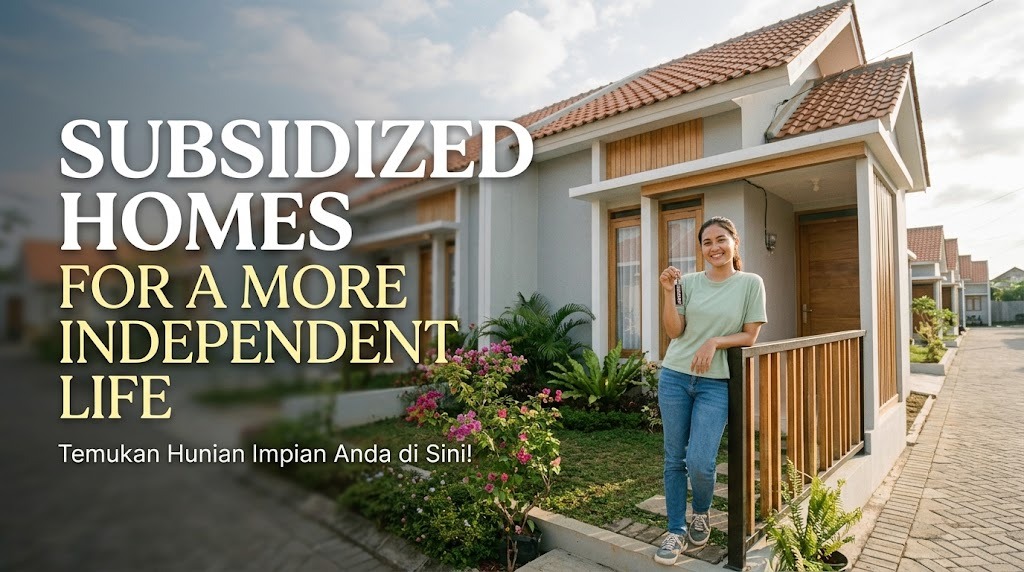
Having a home of your own can be an important step toward a more independent and stable life. For many people, however, high property prices and everyday expenses make homeownership difficult to achieve. Subsidized homes can offer an affordable housing option for eligible households that want to begin their journey toward owning a home.
A first home does not need to be large or luxurious. What matters is that it provides a safe, comfortable, and practical place to live while remaining within the household budget. With careful financial planning, suitable financing, and thoughtful property selection, a subsidized home can become a strong foundation for greater independence.
WHY HOMEOWNERSHIP SUPPORTS INDEPENDENCE
Having a home provides greater control over where and how a person lives. Homeowners can organize their living space according to their needs without depending on a landlord's decisions. This can create a stronger sense of security and personal responsibility.
Homeownership also encourages people to manage their finances more carefully. Monthly payments, utilities, maintenance, and household expenses require consistent planning. Financial discipline can become an important part of building an independent lifestyle.
SUBSIDIZED HOMES AS A FIRST HOME OPTION
Subsidized housing is designed to help eligible households access affordable homeownership. In Indonesia, one example is KPR Sejahtera FLPP, a housing financing program managed through BP Tapera for eligible low-income communities. Current BP Tapera information lists facilities such as a fixed 5 percent interest rate and a down payment starting from 1 percent under applicable program requirements.
These financing features may make a first home more accessible to households with limited financial capacity. However, applicants still need to meet the program's requirements and understand the financing terms. Checking official information before applying is essential because housing policies and requirements can change.
PREPARING YOUR FINANCIAL CONDITION
Financial readiness should come before choosing a home. Calculate your income, regular expenses, existing debt, savings, and the amount that can comfortably be used for housing payments. This can prevent a home purchase from creating excessive financial pressure.
It is also important to prepare money for expenses beyond the monthly installment. Utilities, transportation, maintenance, furniture, and unexpected costs can affect the household budget. An emergency fund can provide additional protection when unexpected expenses arise.
CHOOSING A HOME THAT FITS YOUR LIFE
Independence does not require owning the biggest home available. A practical home that meets your current needs may be a better choice than a larger property that creates unnecessary financial pressure. Consider the number of residents, required rooms, daily activities, and future plans.
A comfortable home should also provide good ventilation, adequate lighting, functional spaces, and reasonable privacy. Practical design can make a modest property feel comfortable without requiring expensive improvements.
FINDING A SUPPORTIVE LOCATION
Location has a direct effect on everyday independence. A home located near workplaces, schools, markets, healthcare services, and transportation can make daily activities easier. Shorter travel distances may also reduce transportation costs.
Before making a decision, visit the area and inspect its surroundings. Check road access, drainage, water supply, security, public facilities, and transportation options. A suitable location can make a major difference in the long-term comfort of homeowners.
CHECKING THE HOME BEFORE BUYING
Buyers should carefully inspect the physical condition of a property before completing the purchase. Examine the roof, walls, floors, windows, doors, ventilation, plumbing, sanitation, and electrical systems. Identifying potential problems early can prevent unexpected repair costs.
Do not rely entirely on advertisements or online photographs. A direct visit can reveal details that may not appear in promotional materials. Property inspection is an important step toward making a responsible homeownership decision.
UNDERSTANDING SUBSIDIZED HOME REQUIREMENTS
Subsidized housing is not available to everyone because specific eligibility requirements apply. BP Tapera states that FLPP applicants must meet conditions including Indonesian citizenship, not already owning a home, not having previously received certain housing subsidies, and meeting applicable income limits.
Income limits can vary according to regional categories and household circumstances. Prospective buyers should therefore verify the latest requirements before preparing an application. Understanding eligibility early can help applicants avoid unnecessary delays.
MANAGING MONTHLY HOME PAYMENTS
A home payment should fit comfortably within the household budget. Buyers need to consider not only the installment but also food, transportation, utilities, education, healthcare, and other regular expenses. A payment that leaves too little money for essential needs can create long-term stress.
It is better to choose a property that matches actual financial capacity rather than buying based on maximum borrowing ability. Affordable monthly payments can provide more flexibility for savings and other future goals.
BUILDING INDEPENDENCE THROUGH RESPONSIBILITY
Homeownership brings responsibilities that renters may not always have. Owners must take care of the property, handle maintenance, manage utility bills, and keep up with financing obligations. These responsibilities can encourage stronger financial and household management skills.
Independence is not simply about having a property in your name. It also involves being able to maintain and manage the home responsibly. Responsible homeownership can create a stronger foundation for personal and family stability.
MAKING A SIMPLE HOME MORE COMFORTABLE
A subsidized home can become a pleasant place to live without expensive decoration. Start by organizing essential furniture and keeping frequently used areas clean and functional. Small improvements can be made gradually as the household budget allows.
Natural light, good airflow, and smart storage can improve comfort without requiring major spending. Avoid purchasing unnecessary items simply to follow trends. Simple and functional living can help keep both the home and the budget under control.
PLANNING FOR A MORE STABLE FUTURE
A first home can become part of a broader financial plan. Once housing costs are under control, homeowners can focus on other goals such as building savings, preparing for education, or planning for retirement. A stable home can provide a foundation for these future plans.
However, homeownership should not consume all available financial resources. Continue building savings and maintaining an emergency fund even after purchasing the property. Balanced financial planning can make independent living more sustainable.
AVOIDING COMMON FIRST HOME MISTAKES
One common mistake is choosing a home based only on price. A low purchase price may not be beneficial if the location creates high transportation costs or the property requires significant repairs. Buyers should evaluate the total cost of living rather than focusing on one number.
Another mistake is rushing into a purchase without understanding the financing rules. Take time to read the terms, ask questions, compare options, and verify information through reliable sources. Careful decision-making can prevent problems that may be difficult to resolve later.
CONCLUSION
Subsidized homes for a more independent life can provide an affordable path toward homeownership for eligible households. A first home can offer greater stability, personal freedom, and an opportunity to develop stronger financial responsibility.
The key is to choose a home that matches both personal needs and financial capacity. By preparing savings, understanding financing, checking eligibility, evaluating the location, and inspecting the property, buyers can make a more informed decision. A well-planned first home can become a strong foundation for a more independent and stable future.
About the Author
Gusti Ayu Tita P
Author — STEKOM University
An active author focused on academic issues, educational technology, and human resource development in the campus environment.















