Teen Self-Identity in the Era of Social Media
Gusti Ayu Tita P
31 Juli 2026
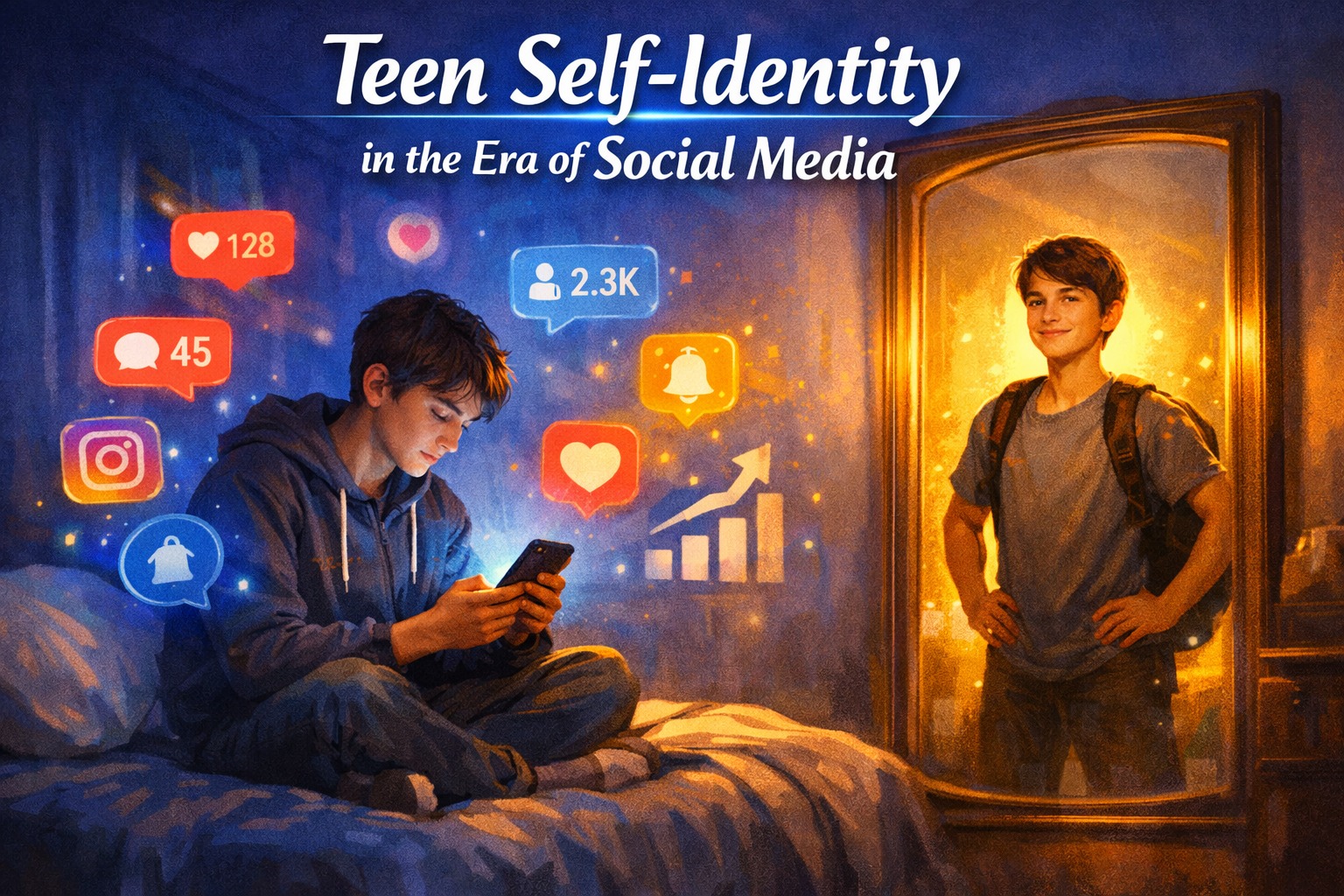
Social media has become an inseparable part of teenage life. Platforms such as Instagram, TikTok, and Snapchat allow young people to communicate, express themselves, and follow global trends instantly. While social media offers many opportunities, it also creates challenges that can influence teen self-identity. In today’s digital era, many teenagers struggle to understand who they truly are because of online pressure and unrealistic expectations.
THE INFLUENCE OF SOCIAL MEDIA ON TEENAGERS
Social media gives teenagers access to endless information and entertainment. Teens often use these platforms to share moments, opinions, and achievements. However, constant exposure to carefully edited photos and perfect lifestyles can create unhealthy comparisons. Many teenagers begin to measure their worth based on likes, comments, and followers rather than their real abilities and personality.
As a result, some teens may lose confidence and feel insecure about themselves. They may try to imitate influencers or online trends just to gain acceptance from others. This situation can slowly affect their self-identity and emotional well-being.
WHY SELF-IDENTITY IS IMPORTANT
Self-identity helps teenagers understand their values, interests, strengths, and goals. A strong sense of identity allows young people to make better decisions and resist negative peer pressure. Teenagers who know themselves well are usually more confident and emotionally stable.
Developing self-identity is also important for mental health. Teens who accept themselves are less likely to experience anxiety caused by online comparison. They can use social media wisely without depending on validation from others.
CHALLENGES FACED BY TEENS IN THE DIGITAL ERA
One of the biggest challenges for teenagers today is the pressure to appear perfect online. Many social media users only show the best parts of their lives, making others feel inadequate. Cyberbullying is another serious issue that can damage a teenager’s confidence and identity.
In addition, spending too much time online may reduce real-life social interaction. Some teenagers become more focused on virtual approval than building meaningful relationships in the real world. This can lead to loneliness and confusion about personal identity.
HOW TO BUILD A HEALTHY SELF-IDENTITY
Teenagers can build a healthy self-identity by focusing on their real interests and talents. Joining positive communities, developing hobbies, and spending time with supportive friends and family can strengthen self-confidence.
It is also important to use social media wisely. Teens should remember that not everything online reflects reality. Limiting screen time and following positive content creators can help maintain a healthy mindset.
Parents and schools also play an important role in guiding teenagers. Open communication and emotional support can help young people feel valued and understood during their journey of self-discovery.
CONCLUSION
Teen self-identity in the era of social media is a complex issue that requires attention from both teenagers and adults. Social media can be a useful platform for creativity and communication, but it can also create pressure and insecurity. By building self-confidence, using social media wisely, and maintaining strong real-life relationships, teenagers can develop a healthy and positive self-identity in the digital world.
About the Author
Gusti Ayu Tita P
Author — STEKOM University
An active author focused on academic issues, educational technology, and human resource development in the campus environment.