The Advantages and Challenges of Being an Only Child in the Family
Gusti Ayu Tita P
7 September 2026
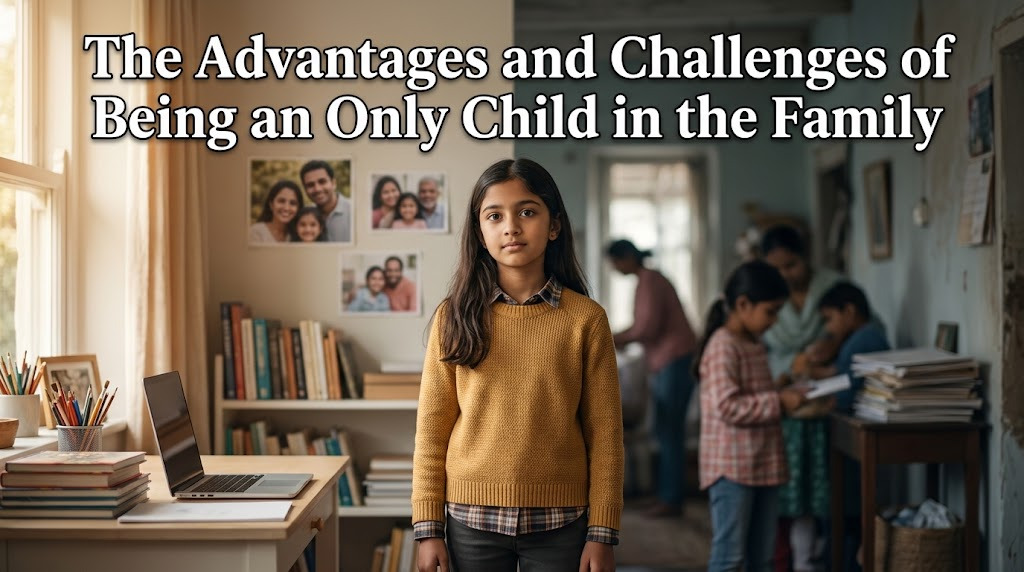
Being an only child means growing up without brothers or sisters in the immediate family. This experience can be different from growing up in a family with several children. An only child may receive more individual attention from parents, but they may also face unique expectations and emotional challenges.
Many people have different opinions about the advantages and challenges of being an only child. Some believe only children are more independent, while others think they may have difficulty socializing. In reality, every child has a different personality, and family environment, parenting, education, and social experiences all influence their development.
THE MEANING OF BEING AN ONLY CHILD
An only child is a child who does not have siblings, either biological or adopted, growing up in the same immediate family. Because there are no siblings at home, parents may spend more time directly interacting with their child. This can create a close relationship between parents and children when communication is healthy.
However, being an only child does not mean growing up without social relationships. Only children can interact with friends, cousins, classmates, teachers, neighbors, and other members of their community. These relationships can provide important opportunities to learn communication, cooperation, and emotional awareness.
ADVANTAGE OF RECEIVING MORE PARENTAL ATTENTION
One potential advantage of being an only child is receiving significant attention from parents. Parents may have more opportunities to understand their child's interests, provide educational support, and participate in important moments. This attention can help children feel valued, supported, and understood.
Individual attention can also help parents identify their child's strengths and areas that need improvement. They may be able to provide activities that match the child's interests and learning style. When balanced properly, this environment can support confidence, creativity, and personal development without making the child overly dependent.
DEVELOPING INDEPENDENCE AND RESPONSIBILITY
Only children may have more opportunities to spend time independently. They often learn how to entertain themselves, organize activities, and solve simple problems without relying on a sibling. These experiences can contribute to independence and self-management skills.
Parents can strengthen these qualities by giving their children age-appropriate responsibilities. Tasks such as organizing personal belongings, completing schoolwork, or helping with household activities can teach children about accountability. However, independence should be encouraged gradually so that children still know they can ask for help when necessary.
CHALLENGES RELATED TO PARENTAL EXPECTATIONS
One challenge that some only children may experience is parental pressure. Because there are no siblings, parents may place significant hopes and expectations on one child. Academic performance, career choices, and personal achievements can sometimes become major sources of pressure.
Parents should recognize that their child has individual interests, abilities, and goals. Constantly comparing a child with unrealistic standards may affect their confidence and emotional well-being. A supportive parenting approach should encourage children to work toward their potential while allowing them to make age-appropriate choices and learn from mistakes.
SOCIALIZATION AND POSSIBLE FEELINGS OF LONELINESS
Another concern is whether only children have enough opportunities to socialize. Without siblings at home, they may not have a person of the same generation available for everyday interaction. Some children may therefore experience loneliness, especially when they have limited contact with friends or extended family.
However, being an only child does not automatically mean having poor social skills. School, sports, clubs, hobbies, and community activities can provide valuable social experiences. Through these interactions, children can learn sharing, teamwork, empathy, communication, and conflict resolution.
HOW PARENTS CAN SUPPORT A HEALTHY DEVELOPMENT
Parents can help an only child by creating a balance between attention and independence. They should provide affection and guidance while also allowing their child to explore, make decisions, and experience reasonable consequences. This approach can help children develop confidence without becoming overly dependent on parental approval.
Encouraging regular social activities is also important. Parents can arrange playtime with friends, support extracurricular activities, or encourage relationships with cousins and other relatives. At the same time, parents should listen to their child's feelings and avoid assuming that being alone is always a problem.
CONCLUSION
Being an only child comes with both advantages and challenges. Individual parental attention, opportunities for independence, and access to family resources can support positive development. At the same time, some only children may experience parental pressure, loneliness, or expectations that feel difficult to manage.
The most important factor is not the number of children in a family but the quality of their environment and relationships. With supportive parenting, healthy boundaries, social opportunities, and open communication, an only child can develop confidence, responsibility, empathy, and strong interpersonal skills. Being an only child is therefore not a disadvantage, but simply one of the many family experiences that can shape a person's life.
About the Author
Gusti Ayu Tita P
Author — STEKOM University
An active author focused on academic issues, educational technology, and human resource development in the campus environment.