
The Benefits Of Buying Preloved Items To Save Money
Gusti Ayu Tita P
24 Agustus 2026
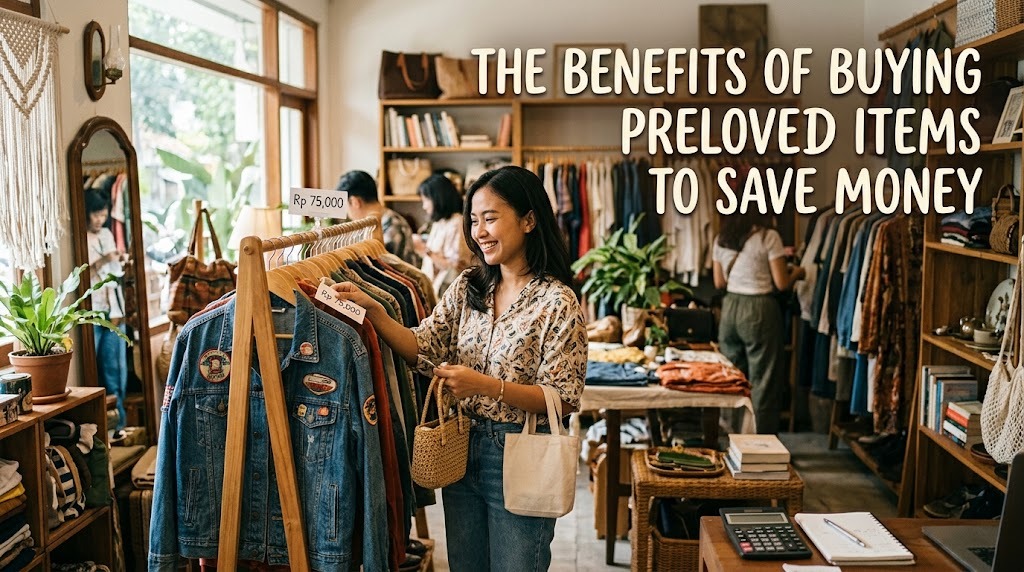
Buying preloved items has become an increasingly practical choice for people who want useful products without spending too much money. Secondhand goods can include clothing, furniture, electronics, books, bags, and many other products. When chosen carefully, these items can provide good quality at a lower price than new products. Preloved shopping can therefore support both financial efficiency and more responsible consumption.
LOWER PURCHASE COSTS
One of the biggest benefits of buying preloved items is the opportunity to spend less money. Many secondhand products are sold below their original retail prices even when they remain in good condition. This allows buyers to obtain products they may not be able to afford when buying them new. The amount saved can be used for other important needs.
The discount can be particularly valuable for products that lose their market value quickly after purchase. However, buyers should still compare prices and inspect the condition before purchasing. Smart Cost Saving means choosing products that provide useful performance at a reasonable price.
GET QUALITY PRODUCTS AT AFFORDABLE PRICES
Preloved does not always mean poor quality. Some secondhand products are well-maintained, lightly used, or almost like new. Buyers can sometimes find high-quality brands at prices significantly lower than their original cost. This makes the secondhand market attractive to consumers who care about quality but have limited budgets.
Buyers should focus on the item's actual condition rather than assuming every used product is the same. Checking materials, functionality, age, and maintenance history can help identify valuable options. With careful Quality Checking, buyers can find products that offer excellent value.
REDUCE UNNECESSARY SPENDING
Buying preloved products can encourage people to think more carefully before spending money. Instead of automatically purchasing new products, consumers can ask whether a secondhand alternative can meet the same need. This habit supports a more practical and intentional approach to shopping.
For example, someone who needs a temporary desk, textbook, jacket, or household item may not need to buy a brand-new product. Choosing a suitable used item can fulfill the purpose without creating unnecessary expenses. This approach makes Budget Management easier over time.
SUPPORT A FRUGAL LIFESTYLE
A frugal lifestyle focuses on using money wisely rather than simply avoiding spending. Preloved shopping fits this approach because it allows consumers to prioritize function, durability, and value over novelty. Buyers can save money while still purchasing products that meet their needs.
Frugality does not mean choosing the cheapest product available. It means making thoughtful decisions based on long-term usefulness. Buying a durable secondhand product can sometimes be a better financial decision than repeatedly purchasing cheaper low-quality products.
REDUCE PRODUCT WASTE
Buying used products can also help extend their useful life. Instead of an unwanted item being discarded, another person can continue using it. This can reduce premature disposal and encourage more efficient use of existing resources. Preloved shopping therefore connects financial benefits with more responsible consumption.
When products are reused, buyers can participate in a more circular approach to consumption. However, buyers should still choose items they genuinely need and will use. Responsible Product Reuse is most beneficial when it prevents unnecessary purchases and waste.
CREATE MORE FLEXIBLE FINANCIAL OPTIONS
Money saved from buying preloved items can be redirected toward other priorities. Consumers may use the difference for savings, education, transportation, household expenses, or emergency funds. Small savings from regular purchases can become meaningful when accumulated over time.
The key is to avoid spending the saved money simply because the product was cheaper. Compare the cost of new and secondhand options before purchasing, then consider how the savings fit into your financial goals. This makes Smart Spending more meaningful and sustainable.
CONCLUSION
Buying preloved items can provide several financial advantages when done thoughtfully. Consumers can enjoy lower purchase costs, good quality, reduced unnecessary spending, frugal habits, product reuse, and greater financial flexibility. The most important step is to inspect the product and compare its value before making a purchase. With careful decisions, preloved shopping can be an effective way to save money while obtaining useful products.
About the Author
Gusti Ayu Tita P
Author — STEKOM University
An active author focused on academic issues, educational technology, and human resource development in the campus environment.















