
The Benefits of Learning National Songs for Character Development
Gusti Ayu Tita P
6 Agustus 2026
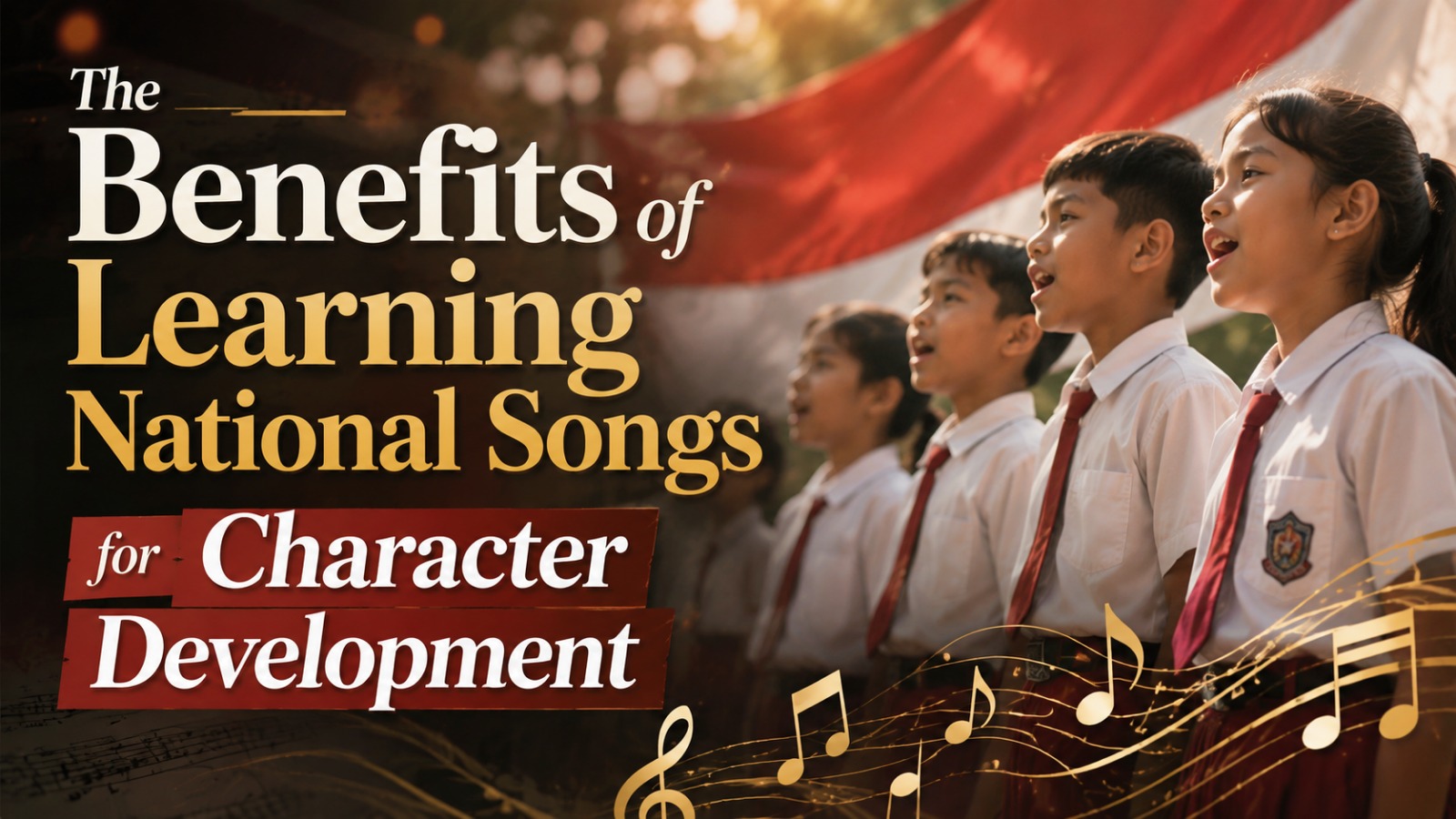
Learning national songs is an important part of building strong character and fostering a sense of responsibility toward the nation. These songs are more than melodies and lyrics; they carry messages of patriotism, unity, discipline, and respect for the country's history. By understanding their meaning, young people can develop positive attitudes that benefit both themselves and society.
National songs have been passed down through generations as symbols of national identity and cultural pride. They remind people of the struggles and sacrifices made by previous generations while encouraging citizens to contribute positively to their country's future. As a result, learning national songs becomes an effective way to strengthen both personal character and national awareness.
THE IMPORTANCE OF NATIONAL SONGS IN CHARACTER EDUCATION
National songs play a significant role in character education because they teach moral values through meaningful lyrics and inspiring melodies. Instead of simply memorizing historical facts, students can experience important life lessons in a more engaging and emotional way. Music helps messages remain memorable and easier to understand.
These songs often highlight values such as honesty, courage, responsibility, and cooperation. Listening to and singing national songs regularly encourages individuals to practice these principles in their daily lives. Over time, these lessons contribute to the development of strong personal character.
Educational institutions continue to include national songs in learning activities because they support emotional, social, and moral development. This approach combines cultural appreciation with practical character-building experiences.
DEVELOPING LOVE FOR THE HOMELAND
One of the greatest benefits of learning national songs is developing love for the homeland. The lyrics often describe the beauty of the country, the sacrifices of national heroes, and the importance of protecting national unity. These messages encourage citizens to appreciate their homeland beyond geographical boundaries.
Understanding the meaning behind national songs strengthens emotional connections with the nation. Young people become more aware of their country's history and cultural richness. This awareness inspires them to contribute positively to society and support national progress.
Love for the homeland also encourages responsible behavior such as protecting the environment, respecting public property, and participating in community activities. These actions reflect genuine patriotism in everyday life.
ENCOURAGING DISCIPLINE AND RESPONSIBILITY
Learning and performing national songs requires concentration, consistency, and discipline. Students must remember lyrics, understand rhythm, and sing respectfully during ceremonies or educational events. These activities naturally develop habits of responsibility and commitment.
Respecting national songs also teaches individuals to value important traditions and public occasions. Participating seriously during flag ceremonies demonstrates appreciation for national symbols and shared values. This respectful attitude often extends to other aspects of personal and social life.
Discipline developed through music education can also improve academic performance and teamwork. These positive habits become valuable life skills beyond the classroom.
BUILDING UNITY AND SOCIAL HARMONY
Many national songs emphasize the importance of unity despite cultural, ethnic, and religious diversity. Indonesia is home to hundreds of ethnic groups and languages, making unity an essential national value. National songs remind citizens that diversity becomes a strength when supported by mutual respect.
Singing national songs together creates a sense of belonging and cooperation among participants. These shared experiences strengthen social relationships while reducing feelings of division. Music becomes a universal language that connects people from different backgrounds.
Learning these songs also promotes empathy and respect for others. Citizens understand that national progress depends on cooperation rather than individual success alone.
PRESERVING HISTORY AND CULTURAL HERITAGE
National songs are valuable parts of a nation's cultural heritage because they preserve historical memories and patriotic ideals. Many songs were written during important periods of national struggle and reflect the hopes of the people at that time. Learning these songs helps younger generations understand historical events more deeply.
The stories behind the songs often introduce important national figures and historical milestones. This knowledge strengthens appreciation for the country's journey toward independence and development. Students gain historical awareness while enjoying meaningful musical experiences.
Preserving national songs also ensures that important cultural traditions continue across generations. This continuity strengthens national identity while protecting valuable historical knowledge.
IMPROVING EMOTIONAL AND MORAL DEVELOPMENT
Music has a unique ability to influence emotions, making national songs effective tools for moral development. Their inspiring lyrics encourage positive thinking, perseverance, gratitude, and compassion. These emotional experiences help individuals develop stronger ethical values.
National songs also encourage reflection on personal responsibilities toward family, community, and country. They remind listeners that success should be accompanied by integrity and service to others. Such lessons contribute to balanced emotional and moral growth.
Young people who understand these messages often develop greater self-confidence and social awareness. These qualities support healthy relationships and responsible citizenship.
PRACTICAL WAYS TO ENCOURAGE LEARNING NATIONAL SONGS
Schools can make learning national songs more engaging by explaining the historical background and meaning of each composition. Interactive discussions, musical performances, and educational projects help students appreciate the songs beyond simple memorization. This approach increases both understanding and interest.
Families also play an important role by introducing national songs at home and discussing their values with children. Community celebrations, cultural festivals, and national holidays provide excellent opportunities to practice and appreciate these songs together.
Digital platforms can further support learning by offering educational videos, documentaries, and music collections. Modern technology makes national songs more accessible while preserving their educational value for future generations.
CONCLUSION
Learning national songs offers far more than musical knowledge. It helps build character, strengthen patriotism, encourage discipline, promote unity, and preserve cultural heritage. These valuable lessons support the development of responsible citizens who appreciate their country's history and values.
As future generations continue learning and understanding national songs, they also preserve the spirit of unity, respect, and national pride. Through music, important life values can continue inspiring individuals while contributing to a stronger and more harmonious society.
About the Author
Gusti Ayu Tita P
Author — STEKOM University
An active author focused on academic issues, educational technology, and human resource development in the campus environment.















