
The Best Places to Keep Your Emergency Fund Safe and Accessible
Gusti Ayu Tita P
6 Agustus 2026
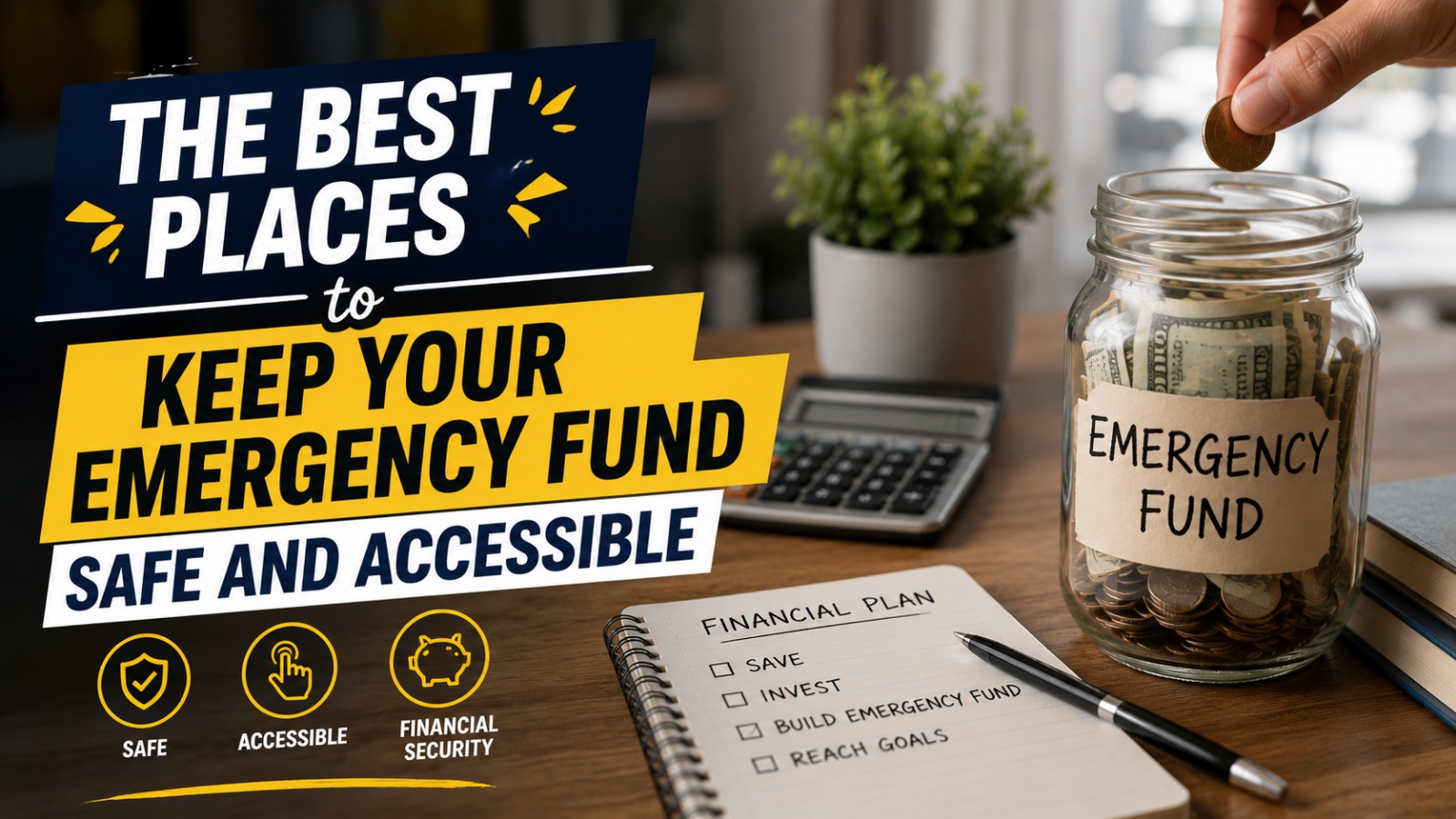
An emergency fund is one of the most important parts of a healthy financial plan. It provides immediate financial support when unexpected situations such as job loss, medical emergencies, vehicle repairs, or urgent home expenses occur. However, building an emergency fund is only the first step. Choosing the right place to store it is equally important because your money should remain safe, accessible, and protected from unnecessary risk.
The ideal location for an emergency fund should allow quick access while preserving the value of your savings. Since emergencies require immediate action, your money should not be locked into investments that are difficult to liquidate or highly volatile. This article explains the best places to keep your emergency fund while maintaining long-term financial stability.
WHY SAFETY AND ACCESSIBILITY MATTER?
The main purpose of an emergency fund is to provide financial protection during unexpected events. Because emergencies cannot be predicted, your savings must always be available when needed. Keeping your emergency fund in an account that is difficult to access may delay your ability to pay for urgent expenses.
Safety is equally important because emergency savings should not be exposed to significant investment risk. Unlike long-term investments, emergency funds are designed to preserve capital rather than generate high returns. A secure and easily accessible account provides the balance between protection and convenience.
HIGH YIELD SAVINGS ACCOUNTS
A high-yield savings account is one of the best places to store an emergency fund. It offers higher interest rates than traditional savings accounts while allowing quick access to your money whenever necessary. This helps your savings grow gradually without exposing them to major financial risks.
Most high-yield savings accounts also provide online banking, making it easy to transfer funds during emergencies. Because these accounts are designed for liquidity, they allow fast withdrawals while maintaining the security of your savings. This combination makes them an excellent choice for emergency funds.
MONEY MARKET ACCOUNTS
A money market account is another reliable option for emergency savings. These accounts often provide competitive interest rates while allowing limited check-writing or debit card access. This flexibility makes them suitable for individuals who want both accessibility and modest returns.
Money market accounts generally invest in low-risk financial instruments, helping preserve the value of your emergency fund. Although interest rates may vary, they remain a practical solution for balancing safety, liquidity, and earning potential. Always compare account features before choosing one that matches your financial needs.
SHORT TERM DEPOSITS AND CASH MANAGEMENT
Some people choose short-term deposits for a portion of their emergency savings. These accounts may offer slightly higher interest rates while keeping funds relatively secure. However, it is important to avoid locking all emergency savings into deposits that cannot be accessed immediately without penalties.
Another effective option is a cash management account, which combines features of checking and savings accounts. These accounts often provide competitive interest rates, digital banking services, and quick access to cash. Choosing flexible financial products helps ensure that emergency funds remain available whenever unexpected expenses arise.
PLACES TO AVOID FOR EMERGENCY FUNDS
Although investments such as stocks, cryptocurrencies, or mutual funds may offer higher long-term returns, they are generally not appropriate for emergency savings. Their values can fluctuate significantly, meaning you may lose money if you need to withdraw funds during a market decline. Emergency savings should prioritize stability rather than investment growth.
It is also unwise to keep large amounts of cash at home. While cash is immediately available, it carries risks such as theft, fire, or accidental loss. Storing emergency funds in regulated financial institutions provides much greater protection and security.
CONCLUSION
Choosing the best place for your emergency fund is just as important as building the fund itself. Safe and accessible financial accounts ensure that your money is available whenever unexpected situations occur without exposing it to unnecessary investment risk.
By selecting secure savings options, reviewing your financial needs regularly, and avoiding high-risk investments for emergency savings, you can strengthen your financial stability and gain greater confidence in handling life's uncertainties. A properly managed emergency fund provides lasting financial protection and supports long-term financial success.
About the Author
Gusti Ayu Tita P
Author — STEKOM University
An active author focused on academic issues, educational technology, and human resource development in the campus environment.















