
The Clean Water Crisis and How to Overcome It
Gusti Ayu Tita P
19 Agustus 2026
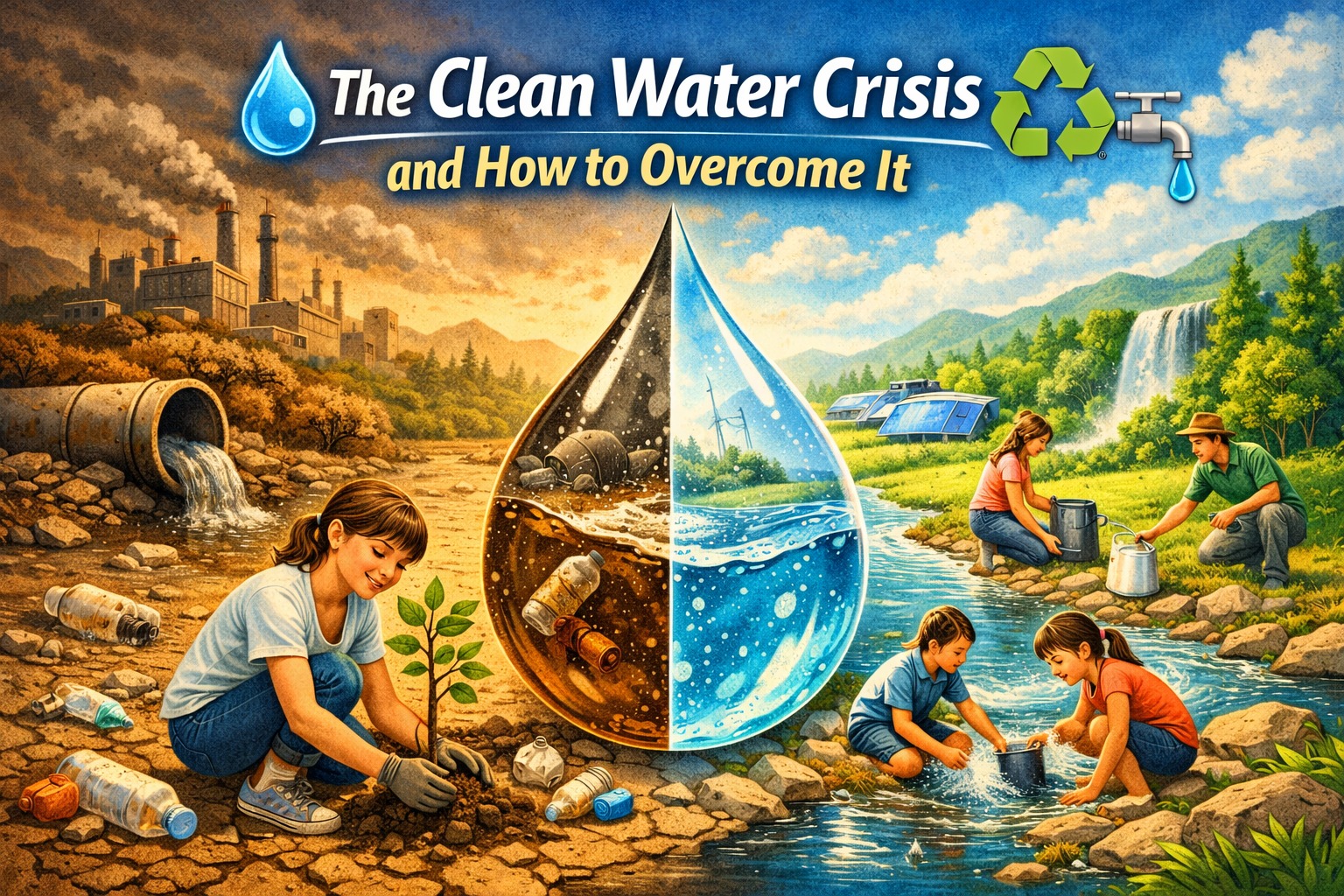
Clean water is one of the most essential resources for human survival, yet millions of people around the world still struggle to access safe drinking water. From rural villages to rapidly growing cities, the clean water crisis continues to threaten health, education, economic development, and environmental sustainability. Understanding the causes and exploring realistic solutions are crucial steps toward a safer and healthier future.
WHAT IS THE CLEAN WATER CRISIS
The clean water crisis refers to the lack of access to safe and reliable drinking water. According to global reports, billions of people face water scarcity or consume contaminated water daily. Unsafe water sources often contain bacteria, viruses, chemicals, and pollutants that cause serious illnesses.
This crisis is not limited to developing countries. Even in developed nations, aging infrastructure, pollution, and climate change are increasingly affecting water quality and availability.
MAIN CAUSES OF WATER SCARCITY
Several interconnected factors contribute to the growing clean water crisis.
1. POPULATION GROWTH
The world’s population continues to rise rapidly. As more people require water for drinking, agriculture, and industry, demand often exceeds supply.
2. CLIMATE CHANGE
Changes in rainfall patterns, prolonged droughts, and extreme weather events disrupt natural water cycles. Many regions now experience longer dry seasons and shrinking freshwater reserves.
3. POLLUTION
Industrial waste, agricultural chemicals, and household waste frequently contaminate rivers, lakes, and groundwater. Once polluted, water sources become unsafe and costly to treat.
4. POOR INFRASTRUCTURE
In many areas, outdated pipelines and limited water treatment facilities prevent communities from receiving clean water consistently.
IMPACT OF THE CLEAN WATER CRISIS
The consequences of water scarcity go far beyond thirst. The crisis affects nearly every aspect of life.
1. HEALTH RISKS
Contaminated water spreads diseases such as cholera, diarrhea, and typhoid. Children are especially vulnerable, and water-related illnesses remain a leading cause of death worldwide.
2. EDUCATION BARRIERS
In regions with limited access, children—particularly girls—often spend hours collecting water instead of attending school.
3. ECONOMIC CHALLENGES
Communities without reliable water struggle to grow food, maintain businesses, or attract investment. Water scarcity directly limits productivity and economic growth.
4. ENVIRONMENTAL DAMAGE
Overuse of water sources leads to drying rivers, shrinking lakes, and damaged ecosystems that affect biodiversity.
INNOVATIVE SOLUTIONS TO THE WATER CRISIS
Although the problem is serious, many solutions already exist and continue to evolve.
1. WATER FILTRATION TECHNOLOGY
Modern filtration systems can remove harmful contaminants and provide safe drinking water even in remote areas. Portable filters and community treatment plants are becoming more affordable and accessible.
2. RAINWATER HARVESTING
Collecting and storing rainwater is an effective method for reducing dependence on limited freshwater supplies. This approach is especially useful in regions with seasonal rainfall.
3. DESALINATION
Desalination converts seawater into fresh water. While traditionally expensive, new technologies are making it more energy-efficient and practical.
4. WASTEWATER RECYCLING
Reusing treated wastewater for agriculture and industrial use helps conserve freshwater for drinking and household needs.
THE ROLE OF GOVERNMENTS AND COMMUNITIES
Solving the water crisis requires collaboration at every level.
Governments must invest in infrastructure, enforce pollution regulations, and support sustainable water management policies. At the same time, communities can adopt water-saving habits such as reducing waste, fixing leaks, and using water-efficient appliances.
Education also plays a vital role. When people understand the value of water and how to protect it, long-term change becomes possible.
SIMPLE ACTIONS INDIVIDUALS CAN TAKE
Every person can contribute to solving the clean water crisis.
* Use water wisely at home
* Reduce plastic and chemical waste
* Support organizations focused on clean water access
* Spread awareness about water conservation
Small daily actions, when multiplied by millions of people, can create meaningful global impact.
CONCLUSION
The clean water crisis is one of the most urgent challenges of our time, but it is not impossible to overcome. Through innovation, responsible policies, and collective action, the world can move toward a future where safe water is available for everyone. Protecting water resources today means protecting health, opportunity, and life for generations to come.
About the Author
Gusti Ayu Tita P
Author — STEKOM University
An active author focused on academic issues, educational technology, and human resource development in the campus environment.















