
The Destiny Of Life Teaches Patience And Strength
Gusti Ayu Tita P
9 September 2026
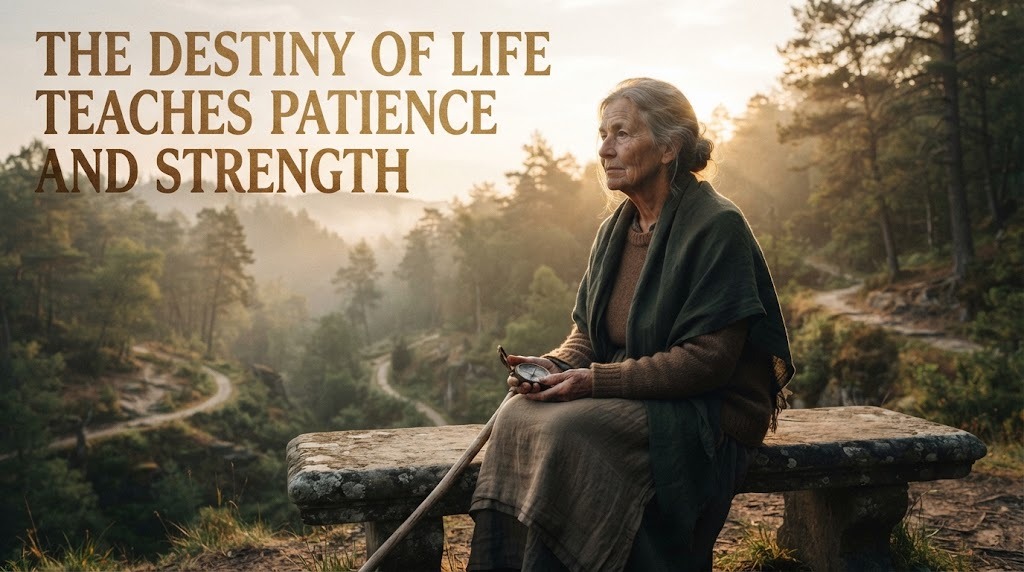
Life is a journey that does not always provide immediate answers. People often have dreams and plans, but the results may take longer than expected or develop in an unexpected direction. During these moments, the destiny of life can teach valuable lessons about patience and strength. Difficult experiences can help people understand that meaningful progress often requires time and perseverance.
Patience and strength are important qualities for dealing with uncertainty. Patience helps people wait without losing their purpose, while strength allows them to continue when circumstances become difficult. Both qualities help people face challenges without easily giving up. By learning from life's experiences, people can become more mature, resilient, and prepared for the future.
UNDERSTANDING THE LESSONS OF LIFE DESTINY
Life destiny can be viewed as the collection of experiences, circumstances, choices, and changes that shape a person's journey. Not everything happens according to a carefully prepared plan. Sometimes an unexpected event can change someone's education, career, relationships, or personal goals. These changes can be difficult to understand at first.
However, unexpected experiences can provide important lessons. A difficult path can teach something that an easy path may not teach. People may learn about their strengths, weaknesses, priorities, and values through situations they never expected to face.
LEARNING TO BE PATIENT WITH THE PROCESS
Patience is important because many meaningful goals require time. Education, career development, financial stability, and personal growth rarely happen instantly. People may become frustrated when their efforts do not produce immediate results. However, slow progress does not necessarily mean that nothing is happening.
Patience means continuing to make reasonable efforts while accepting that results may take time. It does not mean sitting still or waiting without action. A patient person continues learning and improving while allowing the process to develop naturally.
DEVELOPING STRENGTH THROUGH DIFFICULTIES
Difficult experiences can test a person's emotional and mental strength. Failure, disappointment, rejection, and unexpected changes may create fear or uncertainty. Although these situations can be painful, they can also encourage people to develop better ways of handling problems. Each challenge can provide an opportunity to become more prepared for future difficulties.
Strength does not mean never feeling weak or sad. A strong person can experience difficult emotions while still choosing to move forward. Learning how to recover after setbacks is an important part of developing emotional resilience.
ACCEPTING THAT RESULTS TAKE TIME
People often expect their effort to produce quick results. When this does not happen, they may assume that their efforts are useless. In reality, some forms of progress are difficult to see in the early stages. Skills, experience, knowledge, and confidence often develop gradually.
Delayed results do not automatically mean failure. Sometimes the process is preparing a person for responsibilities or opportunities that have not arrived yet. Understanding this can reduce frustration and encourage continued effort.
USING FAILURE AS A LESSON
Failure can be one of the most uncomfortable experiences in life. It may cause disappointment and make people question their abilities. However, failure can also show which strategies did not work. This information can help people make better decisions in the future.
A failed attempt can become valuable when a person learns from it. Instead of treating failure as a permanent identity, it can be treated as feedback. Reflecting on mistakes allows people to improve their skills, change their approach, and become more prepared for another opportunity.
BUILDING INNER STRENGTH
Inner strength develops through the way people respond to difficult situations. Someone who repeatedly faces challenges and learns how to manage them may become more confident. This confidence does not come from having a perfect life. It comes from knowing that difficult situations can be handled.
Inner strength grows through experience, self-awareness, and persistence. People can strengthen it by setting realistic goals, maintaining healthy habits, seeking support, and learning from their experiences. Over time, these habits can make future challenges easier to manage.
NOT COMPARING YOUR JOURNEY WITH OTHERS
Everyone has a different life journey. Some people reach their goals at a young age, while others need more time to discover what they truly want. Comparing these different journeys can create unnecessary pressure. A person's progress should be evaluated according to their own circumstances and goals.
Different timelines do not mean different levels of worth or potential. Someone who takes longer may be developing important skills or overcoming challenges that others do not experience. Focusing on personal progress can help people develop greater patience and confidence.
STAYING STRONG WHEN PLANS CHANGE
Life plans can change for many reasons. A person may discover that their original career choice does not suit them, lose an important opportunity, or experience circumstances that require a new direction. These changes can feel like setbacks. However, they can also create opportunities to reconsider priorities and explore alternatives.
Changing a plan is not necessarily giving up. It can be a sign of adaptability and maturity. A flexible person can maintain their important values while adjusting their goals according to current circumstances.
FINDING STRENGTH IN SMALL PROGRESS
Large goals can sometimes feel overwhelming. When people focus only on the final result, they may fail to recognize the progress they have already made. Small improvements can be meaningful, especially when they are repeated consistently. Each small step can contribute to a larger achievement.
Small progress is still progress. Completing a task, learning something new, improving a habit, or overcoming a small fear can strengthen confidence. Recognizing these achievements can encourage people to continue their journey.
DEVELOPING A POSITIVE BUT REALISTIC MINDSET
A positive mindset can help people deal with difficult experiences, but positivity should remain realistic. Pretending that every problem is easy can prevent people from understanding what actually needs to change. A healthier approach is to recognize difficulties while believing that improvement is possible.
Realistic optimism combines hope with action. People can acknowledge their problems, search for solutions, and remain open to better possibilities. This mindset helps them stay motivated without ignoring the challenges they face.
THE IMPORTANCE OF CONSISTENT EFFORT
Patience becomes more meaningful when it is supported by consistent effort. Waiting for circumstances to improve without taking action may not lead to meaningful change. People need to continue developing their abilities and making responsible decisions. Even small actions can create progress over time.
Consistency can produce results that occasional effort cannot. Regular study, practice, work, and self-improvement can gradually strengthen a person's abilities. The process may be slow, but continuous effort increases preparation for future opportunities.
KEEPING HOPE FOR THE FUTURE
Hope can provide motivation when the present situation is difficult. People may not know exactly what will happen in the future, but uncertainty does not mean that positive change is impossible. New opportunities can appear after unexpected experiences. Maintaining hope can encourage people to keep preparing for them.
Hope becomes stronger when combined with patience and action. Instead of expecting life to become perfect, people can believe that better possibilities may exist while continuing to work toward them. This balance can make the journey more meaningful and sustainable.
CONCLUSION
The destiny of life can teach important lessons about patience and strength. Difficult experiences may require people to wait, adapt, recover, and continue working even when results are uncertain. Through these experiences, people can develop resilience, self-awareness, discipline, and greater confidence.
Life does not always follow the timeline we expect. However, delays, failures, and changes can become valuable parts of personal growth when approached with the right mindset. Patience helps us respect the process, while strength helps us continue the journey. By combining both qualities with consistent effort and realistic hope, we can face the future with greater confidence.
About the Author
Gusti Ayu Tita P
Author — STEKOM University
An active author focused on academic issues, educational technology, and human resource development in the campus environment.















