
The Difference Between A Visa And A Passport
Gusti Ayu Tita P
24 Agustus 2026
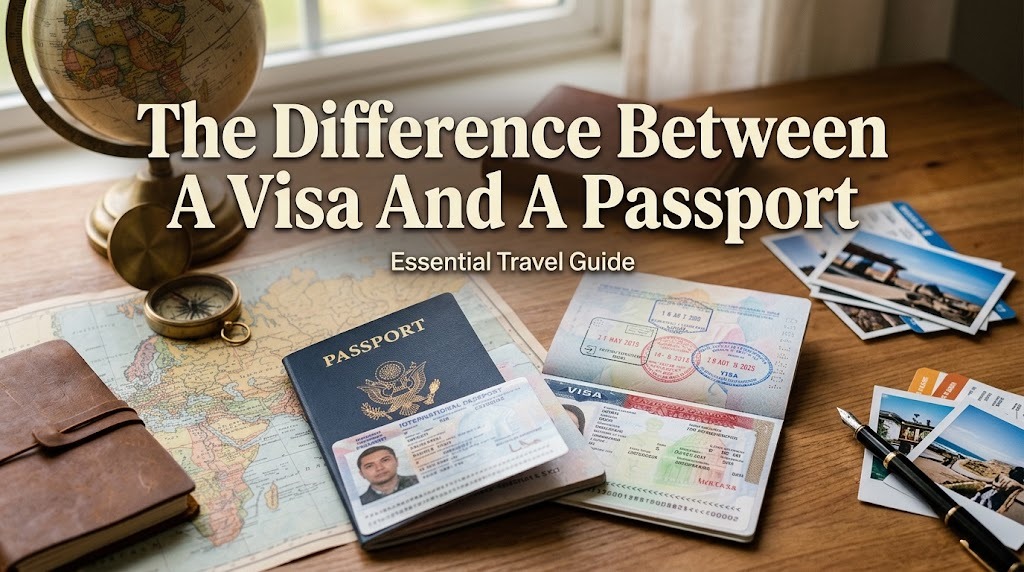
International travel requires several important documents, and a passport and a visa are among the most commonly discussed. Although both are related to traveling abroad, they have different purposes and functions. A passport primarily identifies a traveler and confirms their nationality, while a visa is an authorization that may be required by another country for entry or a particular purpose of stay. Understanding the difference between a visa and a passport can help travelers prepare their documents correctly and avoid problems during an international trip.
WHAT IS A PASSPORT?
A passport is an official travel document issued by a person's country or nationality. It identifies the holder through information such as their name, date of birth, nationality, photograph, and passport number. It is generally used when crossing international borders and serves as an important identity document while traveling abroad. A passport is normally issued by a government authority in the traveler's country.
A passport also contains information that border officials can use to verify the traveler's identity. Passport validity is important because many countries require a passport to remain valid for a certain period beyond the planned trip. Travelers should therefore check their passport expiration date before making international travel arrangements.
WHAT IS A VISA?
A visa is an authorization or permission associated with entry to or travel to a foreign country under specified conditions. Depending on the country's immigration system, a visa may be placed in a passport or issued electronically. It can indicate the purpose of travel, such as tourism, study, business, or employment. Not every traveler needs a visa because requirements depend on nationality, destination, and the applicable immigration rules.
A visa may also include conditions concerning duration of stay and number of entries. For example, a visa can be valid for a certain period while allowing a shorter stay after entry. Travelers should carefully read the conditions because visa validity does not necessarily mean that they can remain in the destination country until the visa expires.
KEY DIFFERENCES BETWEEN A VISA AND A PASSPORT
The most basic difference is their purpose. A passport identifies the traveler and is issued by the traveler's own government, while a visa is issued or authorized by a foreign country's immigration system when required. A passport is generally needed for international travel, whereas a visa is required only for destinations or circumstances where immigration rules demand it. In simple terms, the passport establishes who you are, while the visa relates to whether and under what conditions you may enter or stay.
Another difference concerns the issuing authority. Passports are issued by the traveler's country, while visas are generally issued by the destination country or its authorized immigration and consular system. The two documents work together but cannot be treated as interchangeable. Having one does not automatically replace the need for the other.
WHY IS A PASSPORT IMPORTANT FOR INTERNATIONAL TRAVEL?
A passport is essential because it provides official identification across international borders. Airlines and border authorities may use passport information to verify a traveler's identity and travel eligibility. Without an appropriate passport, a traveler may not be able to complete an international journey. The passport must also meet the destination country's requirements for validity and condition.
Travelers should keep their passports secure throughout their journey. Loss or damage to a passport can create serious difficulties, particularly when the traveler is abroad. It is helpful to keep a secure copy of the identification page and follow the guidance of the relevant embassy or consulate if the passport is lost.
WHY IS A VISA IMPORTANT?
A visa can be important because it provides the required immigration authorization for travelers entering certain countries. It helps immigration authorities determine the purpose and conditions under which a foreign visitor may enter. Different visa categories can have different rules, including tourism, education, employment, family visits, and business activities. Travelers should apply for the visa category that matches the actual purpose of their trip.
Visa requirements can differ significantly between countries. Some destinations may offer visa-free travel or visa on arrival to eligible travelers, while others require an application before departure. Travelers should always check current requirements through official government or immigration sources before making plans.
CAN YOU TRAVEL WITH A PASSPORT WITHOUT A VISA?
In some situations, a passport may be enough for entry, but this depends entirely on the destination country's rules and the traveler's nationality. Certain countries have visa exemption agreements that allow eligible visitors to enter for a limited period without obtaining a traditional visa in advance. Other destinations may require an electronic travel authorization even when a traditional visa is not required.
Therefore, travelers should never assume that having a valid passport automatically guarantees entry. Entry requirements can include additional conditions, such as a minimum passport validity period, return or onward travel evidence, proof of accommodation, or financial requirements. Checking the current official requirements is the safest approach.
HOW PASSPORTS AND VISAS WORK TOGETHER
For many international trips, the passport and visa work together. A traveler may use a passport as their primary identity and travel document while the visa provides additional authorization from the destination country. When a visa is linked to a particular passport, travelers should ensure that the passport information matches the visa details. Any change of passport may require additional procedures depending on the destination country's rules.
At border control, immigration officials can review both the passport and any applicable visa or electronic authorization. A visa does not automatically guarantee admission, because final entry decisions are generally made according to the destination country's immigration laws. Travelers should therefore understand all applicable entry conditions before departure.
COMMON MISTAKES TRAVELERS SHOULD AVOID
One common mistake is assuming that passport validity and visa validity are the same thing. They are separate requirements and may have different expiration dates and conditions. Another mistake is choosing a visa category that does not match the actual purpose of travel. Providing incorrect or inconsistent information can also create complications during the immigration process.
Travelers should also avoid relying on outdated information about visa requirements. Immigration policies can change, including visa exemptions, entry procedures, and passport validity rules. Before traveling, it is best to verify information using official sources and check all documents carefully.
CONCLUSION
The difference between a visa and a passport is mainly based on their function and issuing authority. A passport is an official travel and identity document issued by a person's own country, while a visa is an authorization that may be required by a foreign country for entry or a specific purpose of stay. Both can play an important role in international travel, but they are not substitutes for each other.
Understanding these differences can make travel preparation easier and more organized. Checking passport validity, visa requirements, permitted stay, and entry conditions before departure can help travelers avoid unnecessary problems. Because requirements vary by destination and nationality, travelers should always confirm the latest rules with official immigration or government authorities.
About the Author
Gusti Ayu Tita P
Author — STEKOM University
An active author focused on academic issues, educational technology, and human resource development in the campus environment.















