
The Difference Between Tourist Visas And Student Visas
Gusti Ayu Tita P
24 Agustus 2026
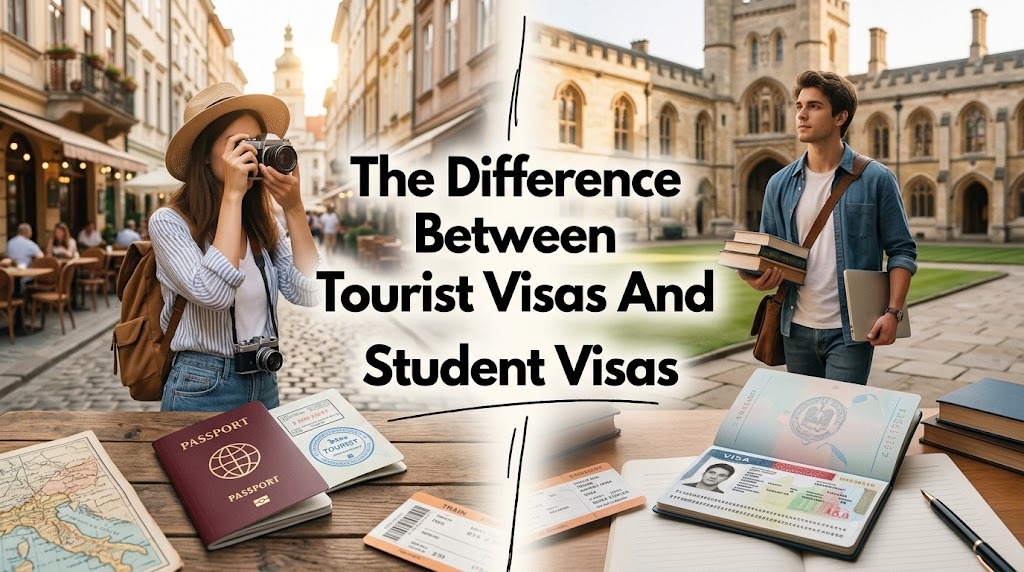
Choosing the right visa is an important part of preparing for international travel. Tourist visas and student visas are both designed for temporary stays, but they serve very different purposes. A tourist visa is generally intended for leisure, holidays, or short visits, while a student visa is designed for people who plan to study at an educational institution abroad. Understanding these differences can help applicants avoid choosing the wrong visa category. It is also important to remember that visa rules vary by country, so travelers should always check the latest requirements from the relevant immigration authority.
DIFFERENT PURPOSES OF TRAVEL
The main difference between a tourist visa and a student visa is the purpose of the stay. A tourist visa is normally used for activities such as sightseeing, vacations, visiting friends or relatives, or other permitted short-term visits. A student visa is intended for individuals who have been accepted to an eligible educational program. Therefore, the activities allowed under each visa are generally different.
Applicants should choose a visa that accurately reflects what they plan to do abroad. Someone who intends to attend a university or other long-term educational program should not normally use a tourist visa for that purpose. Using the wrong visa category can create immigration problems and may affect future travel. Checking the destination country's official visa rules before applying is therefore essential.
DIFFERENCES IN ELIGIBILITY REQUIREMENTS
Tourist and student visas usually have different eligibility requirements. Tourist visa applicants may need to provide information about their travel plans, accommodation, financial situation, and intended length of stay. Student visa applicants commonly need evidence of admission or enrollment from an educational institution. They may also need to demonstrate that they can meet the financial requirements associated with studying abroad.
The exact documents depend on the country and visa system. Some destinations may require additional evidence, such as health insurance, proof of language ability, or specific educational documents. Applicants should follow the official checklist for their particular visa category rather than relying on requirements from another country. This helps reduce the risk of submitting incomplete or unsuitable documents.
DIFFERENCES IN LENGTH OF STAY
The permitted length of stay can also differ significantly between the two visa types. A tourist visa is generally intended for a relatively short visit, although the permitted duration varies by destination and nationality. A student visa may allow a longer stay because it is connected to an approved study program. In some countries, students may need to obtain additional authorization depending on the length and level of their studies.
It is important to distinguish between visa validity and authorized stay. A visa may be valid for a particular period, while the immigration authority may determine how long the holder can actually remain in the country. Travelers should carefully read the conditions attached to their visa. Staying beyond the permitted period can result in immigration consequences.
DIFFERENCES IN PERMITTED ACTIVITIES
Tourist visas generally focus on temporary visits and tourism-related activities. Depending on local regulations, tourists may be allowed to visit attractions, stay in hotels, attend certain events, or visit family and friends. However, tourist status generally does not provide permission to undertake regular employment. Study activities may also be restricted depending on the destination and the nature of the course.
Student visas are specifically connected to education and study. Depending on the country's immigration rules, students may be allowed to participate in an approved educational program and, in some cases, work under specific conditions. These work rights are not universal and may have limits on hours, employers, or types of employment. Students should always verify these conditions before accepting any job.
DIFFERENCES IN REQUIRED DOCUMENTS
The documents required for a tourist visa often focus on demonstrating the purpose and feasibility of a short visit. These may include a passport, application form, photographs, financial evidence, accommodation details, and travel information when required. Some applicants may also need documents explaining their employment or other circumstances in their home country. The exact requirements depend on the destination.
Student visa applications usually involve additional education-related documents. These may include an admission letter, enrollment confirmation, proof of tuition arrangements, academic records, and financial evidence. Some countries may require a specific student authorization issued by the educational institution or government. Applicants should prepare documents according to the official requirements rather than assuming that all student visa systems are the same.
DIFFERENCES IN FINANCIAL REQUIREMENTS
Financial evidence can be important for both visa categories, but the reason and amount may differ. Tourist visa applicants may need to demonstrate that they can afford their transportation, accommodation, and daily expenses during the trip. Student visa applicants may need to demonstrate sufficient funds for tuition, accommodation, living expenses, and other study-related costs. The required amount depends on the destination and individual circumstances.
Applicants should provide genuine and credible financial information. Financial documents should be consistent with the information provided in the application. Sudden unexplained transactions or inaccurate information may raise questions during the assessment process. When sponsorship is permitted, applicants should also follow the country's rules regarding acceptable sponsors and supporting documents.
DIFFERENCES IN EXTENSION AND RENEWAL
The rules for extending or renewing a visa depend heavily on the destination country. A tourist may sometimes be able to request an extension, but this is not automatically available and may require a valid reason. Student visa holders may have different procedures because their status can be connected to the duration of their academic program. An extension should never be assumed to be automatic.
Students who continue their education may need to provide updated enrollment information or other evidence. Tourists, on the other hand, may need to leave the country before their authorized stay expires if an extension is not available. Applicants should check the relevant immigration authority before making plans. Waiting until the last moment can create unnecessary difficulties.
WHICH VISA SHOULD YOU CHOOSE?
The right choice depends mainly on the purpose of your international trip. If you are traveling for a holiday, sightseeing, or another permitted short visit, a tourist visa may be appropriate when a visa is required. If your main purpose is to study at an approved institution, a student visa or another appropriate study authorization is generally more suitable. The length and nature of the program can also affect which immigration permission is required.
Applicants should never choose a visa simply because it appears easier to obtain. The visa category should match the actual purpose of the stay. Providing inaccurate information about the reason for travel can lead to refusal or other immigration problems. Checking the official requirements before applying is the safest approach.
CONCLUSION
Understanding the difference between tourist visas and student visas is essential for anyone planning to travel or study abroad. Tourist visas are generally designed for temporary visits, while student visas support eligible educational activities and often allow longer stays. They can differ in eligibility requirements, permitted activities, supporting documents, financial evidence, and immigration conditions. Because regulations differ between countries, travelers should always consult the official immigration or consular information for their destination. Choosing the correct visa from the beginning can make the international travel or study preparation process more organized and compliant.
About the Author
Gusti Ayu Tita P
Author — STEKOM University
An active author focused on academic issues, educational technology, and human resource development in the campus environment.















