The Economic and Tourism Impact of Hosting the Olympics
Gusti Ayu Tita P
19 Oktober 2026
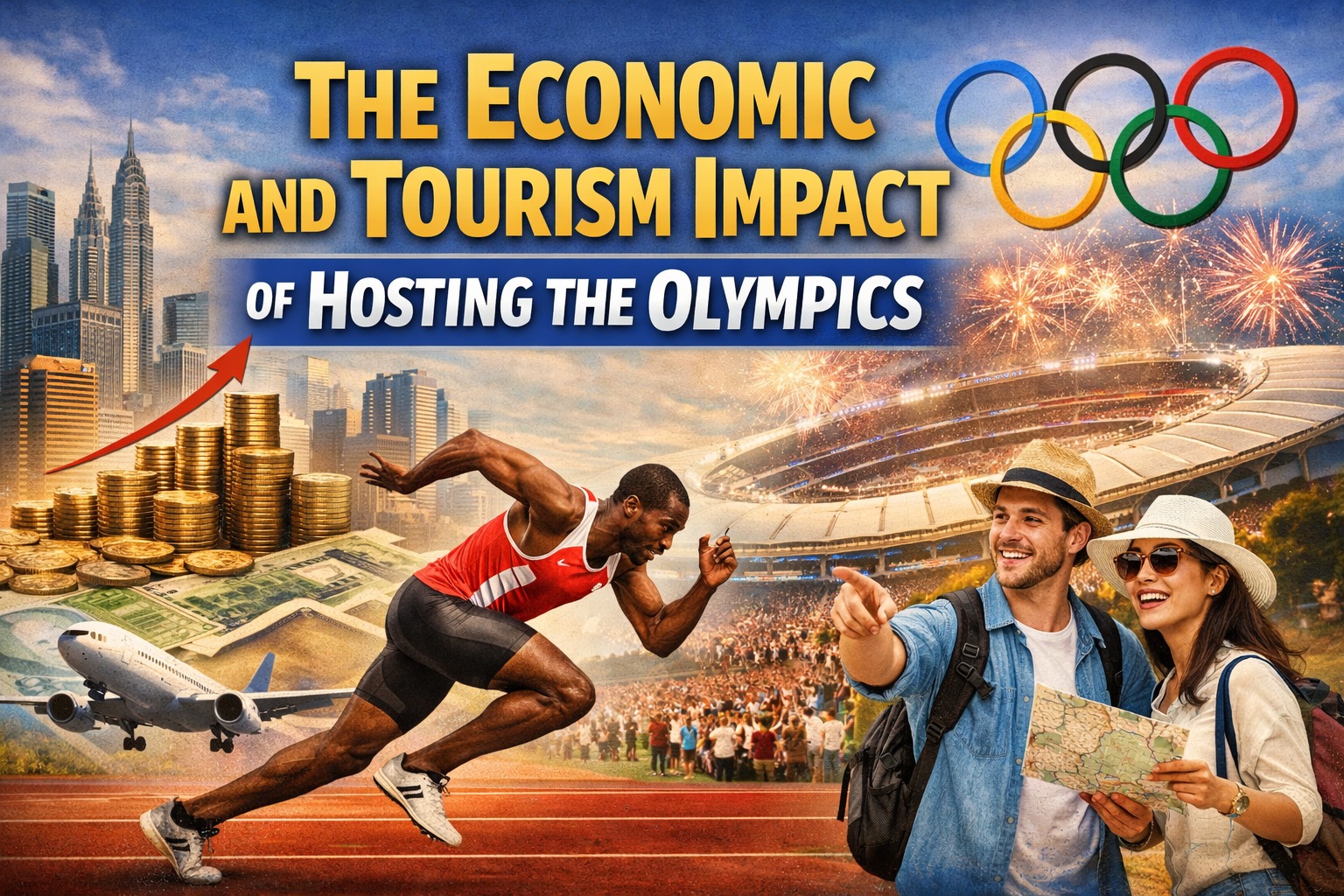
Hosting the Olympic Games is often considered one of the greatest honors for a country or city. Beyond the excitement of sports competitions, the event can create significant changes in the fields of economy, tourism, and international recognition. Millions of spectators, athletes, journalists, and officials travel to the host destination, creating opportunities for businesses and local communities. At the same time, governments invest heavily in infrastructure and public facilities to support the event. As a result, the Olympics can leave both positive and negative economic effects that may continue for years after the closing ceremony.
HOW THE OLYMPICS STIMULATE ECONOMIC GROWTH?
One of the biggest advantages of hosting the Olympics is the increase in economic activity before and during the event. Governments and private investors usually spend large amounts of money on the construction of stadiums, transportation systems, airports, hotels, and other public facilities. These projects create thousands of jobs in sectors such as construction, engineering, hospitality, and retail. Local businesses often experience higher sales due to the arrival of visitors from around the world.
The economic benefits can also continue after the event if the newly built infrastructure remains useful for residents and businesses. Improved transportation networks can make cities more attractive for future investments and business activities. Some host cities have successfully transformed Olympic venues into commercial centers, housing projects, or sports facilities for the public. This long-term use helps maximize the return on investment. However, careful planning is essential to avoid unnecessary spending and unused facilities.
THE ROLE OF TOURISM IN OLYMPIC SUCCESS
The Olympics attract millions of international visitors, making tourism one of the biggest beneficiaries of the event. Tourists spend money on accommodation, transportation, restaurants, shopping, and entertainment, which directly supports local businesses. Hotels often reach very high occupancy rates, while tourism operators enjoy increased demand for their services. This spending creates a ripple effect that benefits many sectors of the local economy.
Another important benefit is the global exposure generated by international media coverage. Television broadcasts and digital platforms showcase the host city's landmarks, culture, and attractions to billions of viewers worldwide. This exposure can encourage future tourism long after the Olympic Games have ended. Cities that successfully promote their identity during the event often experience a lasting increase in visitor numbers. The Olympics therefore act as a powerful international marketing opportunity.
INFRASTRUCTURE DEVELOPMENT AND URBAN TRANSFORMATION
Preparing for the Olympics often encourages governments to accelerate important infrastructure projects. Host cities may build new roads, expand public transportation, modernize airports, and improve communication systems. These developments can significantly improve the quality of life for local residents. Better infrastructure also makes cities more competitive in attracting businesses and future international events.
In some cases, the Olympics become a catalyst for broader urban renewal projects. Previously neglected neighborhoods may be redeveloped into modern residential or commercial areas. Public spaces, parks, and recreational facilities can also be improved for long-term community use. When managed properly, these changes create a positive legacy that benefits future generations. The key challenge is ensuring that development serves both visitors and local residents.
THE FINANCIAL RISKS OF HOSTING THE OLYMPICS
Despite the potential rewards, hosting the Olympics also carries substantial financial risks. Construction costs can exceed original budgets, placing pressure on public finances and taxpayers. Some cities have struggled with debt after investing heavily in facilities that later became underused. These unused venues are often referred to as white elephants because they generate little economic value after the event.
Security costs have also increased significantly in modern Olympic Games due to global safety concerns. In addition, unexpected economic conditions can reduce projected tourism revenue and business activity. If planning is inefficient, the long-term financial burden may outweigh the short-term benefits. For this reason, many experts believe that sustainable planning and realistic budgeting are essential for Olympic success.
CREATING A LASTING LEGACY THROUGH STRATEGIC PLANNING
The long-term impact of hosting the Olympics depends largely on strategic planning and effective management. Cities that align Olympic investments with long-term development goals tend to achieve better results. Infrastructure should be designed with future community needs in mind rather than focusing only on the event itself. This approach increases the chances that Olympic facilities will remain useful and financially sustainable.
Strong collaboration between governments, businesses, and local communities is equally important. Transparent budgeting and responsible investment decisions help reduce financial risks. Promoting local culture and tourism attractions can further extend the benefits beyond the competition period. When these factors come together, the Olympics can become more than a sporting event and evolve into a powerful driver of economic and social progress.
CONCLUSION
Hosting the Olympics can generate significant benefits through job creation, tourism growth, international exposure, and infrastructure development. However, these advantages are not guaranteed and depend heavily on planning, budgeting, and long-term vision. Cities that prepare carefully can transform the event into a lasting economic and tourism opportunity. Meanwhile, poor management can lead to debt and underused facilities. The true success of hosting the Olympics lies in creating a legacy that continues to benefit future generations.
About the Author
Gusti Ayu Tita P
Author — STEKOM University
An active author focused on academic issues, educational technology, and human resource development in the campus environment.