The Economic Impact of Online Gambling on Society
Gusti Ayu Tita P
27 September 2026
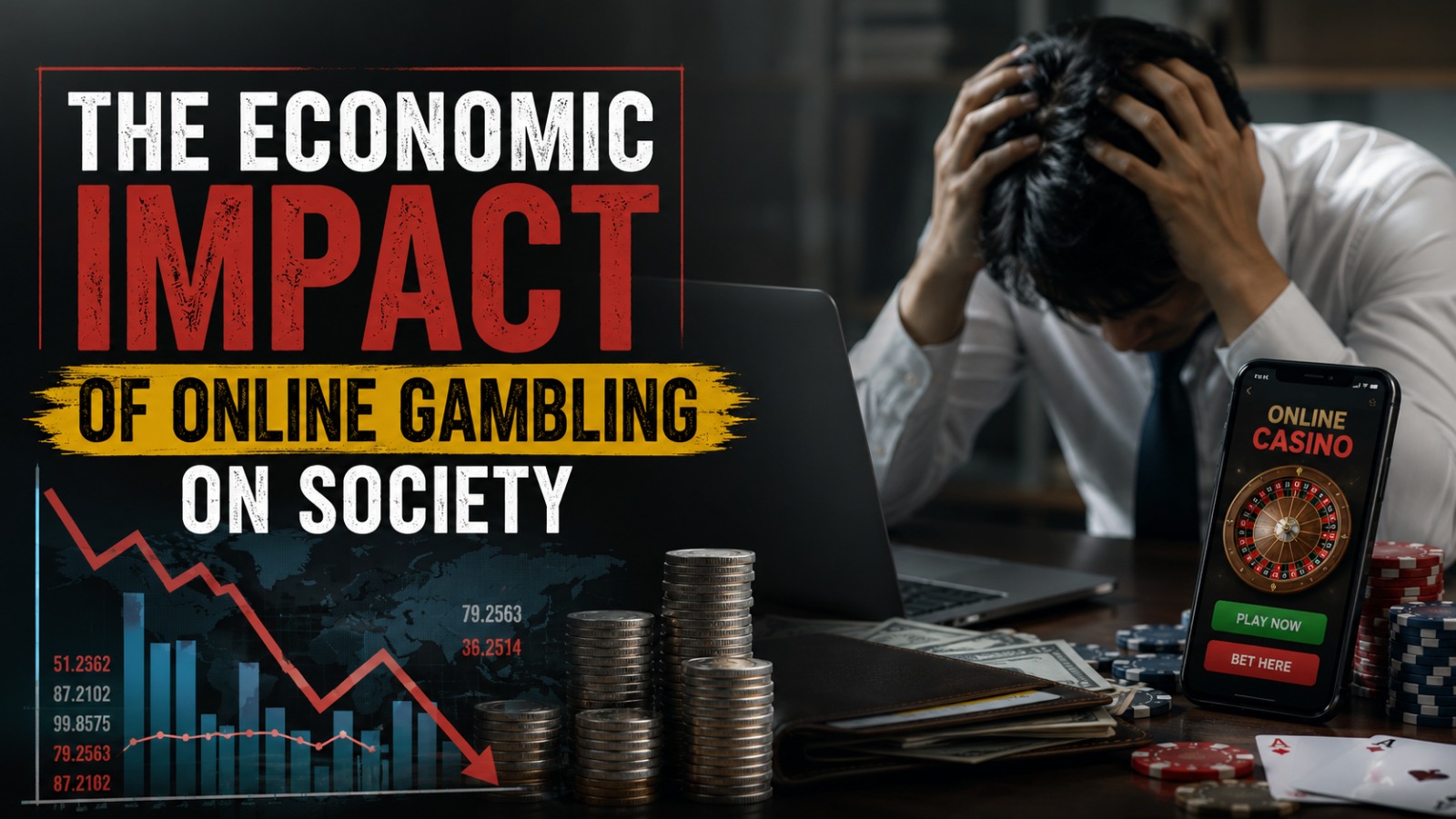
INTRODUCTION TO THE ECONOMIC IMPACT OF ONLINE GAMBLING
Online gambling has become a rapidly growing digital industry due to widespread internet access and the increasing use of smartphones. Millions of people participate in online betting activities through websites and mobile applications, making the industry worth billions of dollars globally. While this growth creates economic activity, it also raises concerns about its broader effects on individuals, families, businesses, and governments. Understanding the economic impact of online gambling is essential for evaluating both its benefits and its risks.
The financial influence of online gambling extends beyond the players themselves. It affects household spending, consumer behavior, business productivity, public finances, and social welfare systems. A balanced understanding helps society recognize that the economic consequences are often more complex than simply winning or losing money.
HOW ONLINE GAMBLING CONTRIBUTES TO THE DIGITAL ECONOMY?
The online gambling industry generates significant economic activity through digital transactions, technology development, and online services. Gambling operators invest in software development, cybersecurity, payment systems, and digital marketing, creating employment opportunities in several technology-related sectors. In regions where online gambling is legal and regulated, governments may also receive revenue through licensing fees and taxation.
However, these economic contributions depend heavily on effective regulations and responsible business practices. Without proper oversight, illegal gambling platforms can avoid taxes, operate without consumer protection, and reduce the positive financial contributions that regulated markets may provide. Therefore, regulation plays a critical role in determining whether economic benefits outweigh the potential costs.
NEGATIVE FINANCIAL EFFECTS ON INDIVIDUALS AND HOUSEHOLDS
One of the most significant consequences of online gambling is its impact on personal finances. Many individuals spend more money than they can afford because gambling platforms are available at any time and often encourage repeated participation through bonuses and promotional offers. As losses increase, some players attempt to recover their money by placing even larger bets, leading to greater financial difficulties.
These financial problems often affect entire households rather than only individual players. Families may experience reduced savings, increased debt, unpaid bills, and difficulty meeting daily living expenses. In severe situations, financial stress can contribute to family conflicts, reduced quality of life, and long-term economic instability.
IMPACT ON PRODUCTIVITY AND THE WORKFORCE
The economic impact of online gambling also extends to the workplace. Employees who spend excessive time gambling may experience reduced productivity, decreased concentration, and lower job performance. In some cases, gambling-related stress and financial worries can increase absenteeism and reduce overall workplace efficiency.
Businesses may also face indirect costs resulting from gambling-related problems among employees. Lower productivity, higher turnover rates, and additional support services can reduce organizational performance. As a result, the economic burden is shared not only by individuals but also by employers and the broader economy.
EFFECTS ON GOVERNMENT AND PUBLIC EXPENDITURE
Governments may receive financial benefits from regulated online gambling through tax revenue and licensing fees. These funds can potentially support public infrastructure, healthcare, education, and community development. A well-regulated gambling industry may therefore contribute to government income under appropriate legal frameworks.
On the other hand, governments may also experience increased public expenditure due to gambling-related social issues. Costs associated with addiction treatment, mental health services, financial counseling, law enforcement, and family assistance programs can place additional pressure on public budgets. Consequently, policymakers must carefully balance economic gains with the social costs of gambling.
LONG-TERM ECONOMIC CONSEQUENCES FOR SOCIETY
The long-term economic effects of online gambling depend on the balance between industry growth and responsible regulation. When gambling becomes widespread without sufficient consumer protection, households may reduce spending on essential goods and services, affecting other sectors of the economy. Lower household purchasing power can slow local economic development over time.
Conversely, effective regulation, public education, and responsible gambling initiatives can reduce many of these negative consequences. Encouraging financial literacy and promoting awareness of gambling risks help individuals make informed decisions. Sustainable economic growth is more likely when digital entertainment develops alongside strong consumer protection measures.
STRATEGIES TO REDUCE ECONOMIC HARM
Reducing the economic harm caused by online gambling requires cooperation among governments, businesses, educational institutions, and communities. Strong financial education programs can teach individuals about budgeting, responsible spending, and the risks associated with gambling. Public awareness campaigns can also help people recognize warning signs before financial problems become severe.
Governments should continue strengthening regulations against illegal gambling platforms while supporting responsible gambling policies where applicable. Technology companies can contribute by improving monitoring systems and limiting misleading advertisements. Together, these efforts create a healthier digital environment that minimizes financial harm while protecting consumers.
CONCLUSION
Online gambling has a significant economic impact on modern society. Although it can generate business activity, technological innovation, and government revenue, it also creates serious financial risks for individuals, families, employers, and public institutions. The overall economic outcome depends largely on responsible regulation, consumer awareness, and effective financial management.
By improving financial literacy, encouraging responsible digital behavior, and enforcing strong legal protections, societies can reduce the negative economic consequences of online gambling while supporting a safer digital economy.
About the Author
Gusti Ayu Tita P
Author — STEKOM University
An active author focused on academic issues, educational technology, and human resource development in the campus environment.