
The Environmental Impact Of Fuel Use And Air Pollution
Gusti Ayu Tita P
10 Agustus 2026
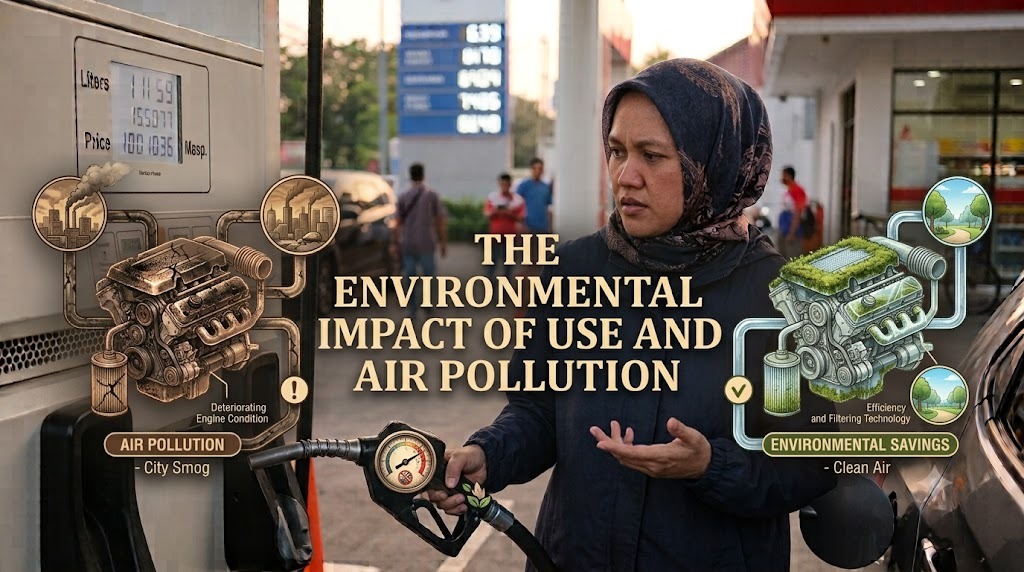
Fuel plays an important role in modern life because it supports transportation, industries, and daily activities. Cars, motorcycles, trucks, ships, and airplanes rely on fuel to operate and provide mobility for people around the world. However, excessive fuel use can create serious environmental problems, especially through air pollution and greenhouse gas emissions.
The burning of fossil fuels releases various substances that can affect the atmosphere, human health, and ecosystems. Understanding the relationship between fuel consumption and environmental damage helps people make better decisions about transportation and energy use. Reducing unnecessary fuel consumption and adopting cleaner alternatives can contribute to a healthier environment.
HOW FUEL USE CONTRIBUTES TO AIR POLLUTION
Fuel combustion produces energy by burning fuel inside engines, but this process also releases pollutants into the air. Vehicles that use gasoline and diesel produce emissions such as carbon monoxide, nitrogen oxides, and particulate matter. These substances can reduce air quality, especially in areas with heavy traffic.
The level of pollution depends on several factors, including fuel type, vehicle condition, driving habits, and emission control technology. Older vehicles or poorly maintained engines may release higher amounts of pollutants. As the number of vehicles increases, the impact of fuel emissions on urban air quality becomes more significant.
Reducing emissions requires better fuel management and cleaner transportation solutions. Improving vehicle maintenance, using efficient engines, and choosing environmentally friendly transportation can help lower pollution levels. These actions support efforts to create cleaner and healthier communities.
EFFECT OF VEHICLE EMISSIONS ON HUMAN HEALTH
Air pollution from fuel use can have negative effects on human health. Pollutants released from vehicle exhaust may enter the respiratory system and increase the risk of breathing problems. Long-term exposure to polluted air can affect overall health, especially for vulnerable groups.
Children, older adults, and people with existing respiratory conditions are often more sensitive to poor air quality. Exposure to pollutants such as fine particles can contribute to lung irritation and other health concerns. Reducing vehicle emissions is therefore important for protecting public health.
Improving air quality requires cooperation between individuals, governments, and industries. Using public transportation, maintaining vehicles properly, and supporting cleaner energy sources are practical steps. These efforts can reduce exposure to harmful pollutants and improve quality of life.
GREENHOUSE GAS EMISSIONS FROM FUEL CONSUMPTION
One of the major environmental impacts of fuel use is the release of greenhouse gases. Burning fossil fuels produces carbon dioxide, which contributes to the increase of global temperatures. Transportation is one of the major sources of carbon dioxide emissions worldwide.
Higher fuel consumption generally results in greater greenhouse gas production. As more fossil fuels are burned, more carbon dioxide accumulates in the atmosphere. This process contributes to climate change, which can affect weather patterns, ecosystems, and human activities.
Reducing greenhouse gas emissions requires changes in how energy is produced and consumed. Improving fuel efficiency, using renewable energy, and developing cleaner transportation technologies can help reduce environmental impacts. These solutions support a more sustainable future.
IMPACT OF FOSSIL FUELS ON THE ENVIRONMENT
Fossil fuels such as gasoline, diesel, and coal are formed from natural resources over millions of years. Although they provide significant energy, their use creates environmental challenges. Extraction, processing, and burning of fossil fuels can affect land, water, and air quality.
Fuel production activities may cause habitat destruction and environmental damage. Oil drilling, mining, and transportation of fuel resources require large-scale operations that can disturb ecosystems. These impacts show that fuel use affects the environment beyond vehicle emissions.
Reducing dependence on fossil fuels can help protect natural resources. Renewable energy sources such as solar, wind, and other clean technologies provide alternatives with lower environmental impacts. Transitioning to cleaner energy can support long-term environmental protection.
ROLE OF FUEL EFFICIENCY IN REDUCING POLLUTION
Fuel efficiency refers to using less fuel to travel the same distance or complete the same task. Vehicles with better fuel efficiency generally produce fewer emissions because they consume less fuel. Improving efficiency is one of the simplest ways to reduce the environmental impact of transportation.
Drivers can improve fuel efficiency through better driving habits and regular vehicle maintenance. Avoiding excessive acceleration, maintaining proper tire pressure, and reducing unnecessary vehicle weight can help lower fuel consumption. These small actions can reduce emissions and save money.
Vehicle manufacturers also continue developing technologies that improve efficiency. Hybrid vehicles, electric vehicles, and advanced engine systems are examples of innovations designed to reduce fuel dependence. Greater efficiency helps create cleaner transportation systems.
AIR POLLUTION AND URBAN ENVIRONMENT
Cities often experience higher levels of air pollution because of dense populations and heavy transportation activity. Large numbers of vehicles operating daily can increase the concentration of exhaust emissions. This problem is especially noticeable in areas with traffic congestion.
Poor urban air quality can affect daily life and environmental conditions. Pollution may reduce visibility, damage plants, and create unhealthy living conditions. Managing transportation systems effectively is important for improving urban environments.
Cities can reduce pollution by improving public transportation, encouraging cycling, and supporting cleaner vehicles. Urban planning and environmental policies also play important roles. A combination of individual and government actions is needed to address air pollution effectively.
ALTERNATIVE ENERGY SOURCES FOR CLEANER TRANSPORTATION
Alternative energy sources provide opportunities to reduce the environmental impact of transportation. Electric vehicles use electricity instead of traditional fuel, which can reduce direct exhaust emissions. However, the overall environmental benefit depends on how the electricity is produced.
Other alternatives include hydrogen fuel, biofuels, and renewable energy technologies. These options are being developed to reduce dependence on fossil fuels. Each alternative has different advantages and challenges related to cost, availability, and infrastructure.
The transition to cleaner energy requires investment, innovation, and public awareness. Supporting alternative energy can help reduce carbon emissions and create more sustainable transportation systems. Cleaner energy choices are important for protecting the environment in the future.
HOW PEOPLE CAN REDUCE THE IMPACT OF FUEL USE
Individuals can contribute to reducing environmental damage caused by fuel consumption. Simple actions such as using public transportation, sharing rides, walking, or cycling can reduce the number of fuel-powered vehicles on the road. These choices help lower emissions and decrease fuel demand.
Maintaining vehicles regularly is another effective solution. A well-maintained vehicle operates more efficiently and produces fewer unnecessary emissions. Drivers should also avoid wasting fuel through unnecessary trips or excessive idling.
Choosing energy-efficient transportation options can create positive environmental changes. Although individual actions may seem small, combined efforts from many people can create significant results. Responsible fuel use is an important part of environmental protection.
CONCLUSION
Fuel use provides essential energy for transportation and economic activities, but it also creates environmental challenges. Air pollution, greenhouse gas emissions, and climate change are some of the major impacts caused by excessive fossil fuel consumption.
Reducing the environmental impact of fuel requires cooperation between individuals, industries, and governments. Improving fuel efficiency, maintaining vehicles, using cleaner energy sources, and reducing unnecessary fuel consumption are important steps toward a healthier planet. Responsible energy use can help protect the environment while supporting sustainable development.
About the Author
Gusti Ayu Tita P
Author — STEKOM University
An active author focused on academic issues, educational technology, and human resource development in the campus environment.















