
The Future of Connected Ground Transportation
Gusti Ayu Tita P
11 Agustus 2026
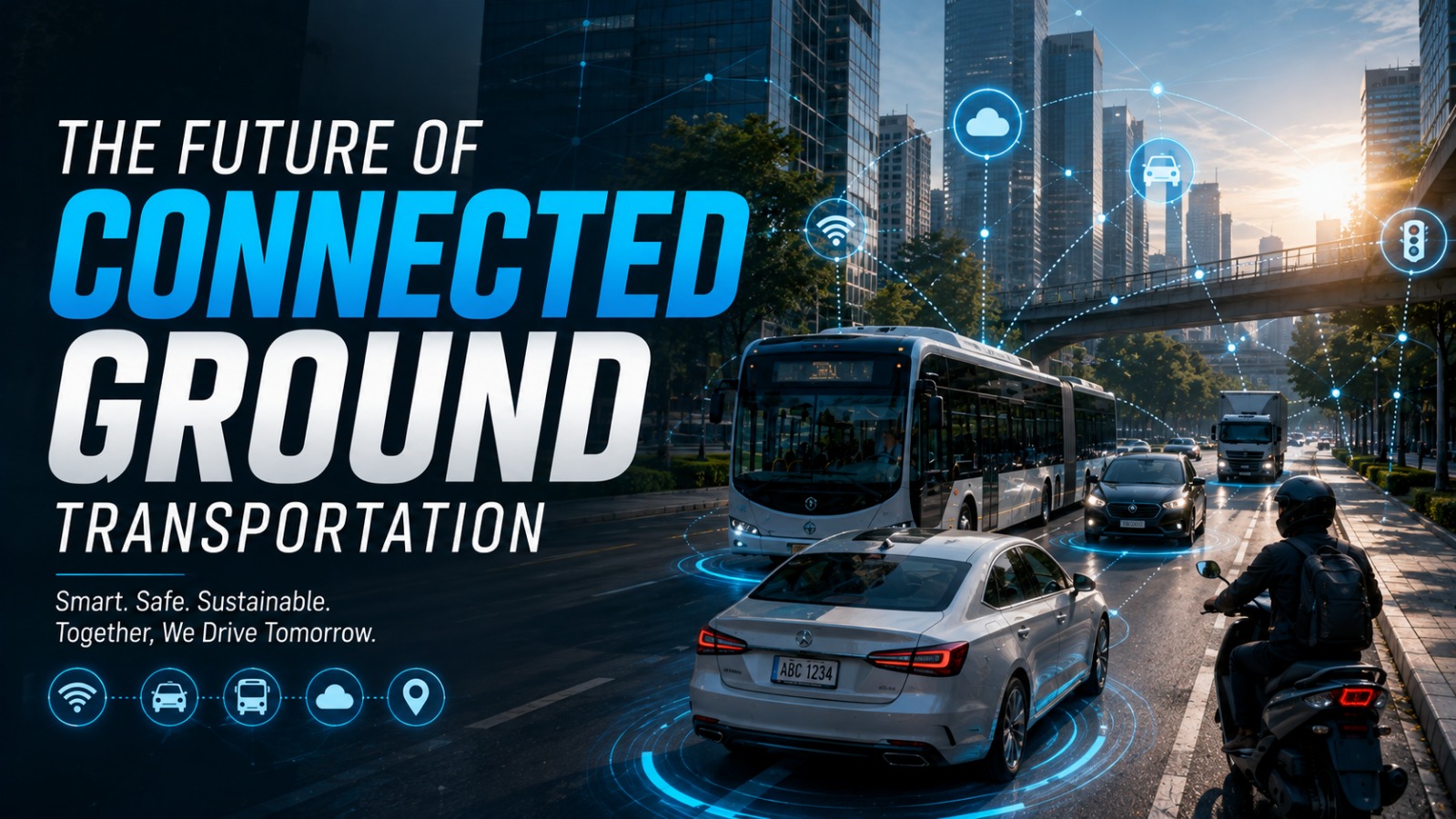
The future of transportation is becoming increasingly connected as digital technology, smart vehicles, and intelligent infrastructure change the way people and goods move. Modern ground transportation is no longer limited to vehicles operating independently on roads and railways. Buses, cars, trains, traffic systems, mobile applications, and transportation platforms can increasingly exchange information through connected networks. This development can make transportation more responsive, efficient, and easier to manage.
Connected transportation is also closely related to the growth of smart mobility. Real-time data can help operators understand traffic conditions, passenger demand, vehicle locations, and infrastructure performance. However, creating a truly connected transportation system requires more than installing digital devices. Reliable communication networks, cybersecurity, appropriate regulations, skilled workers, and coordinated planning are equally important.
WHAT IS CONNECTED GROUND TRANSPORTATION?
Connected ground transportation refers to transportation systems in which vehicles, infrastructure, passengers, and control centers can exchange information digitally. Connected buses can send location and performance data to operators, while traffic infrastructure can provide information about road conditions. Passengers can also receive real-time updates through smartphones and digital displays. These connections allow different parts of the transportation system to work together more effectively.
The main purpose is to improve the flow of information and decision-making. When operators have accurate information, they can respond more quickly to congestion, delays, vehicle problems, or unexpected incidents. Passengers can make better travel decisions when they know arrival times and service conditions. Over time, these capabilities can create a transportation network that is more responsive to changing demand.
THE ROLE OF CONNECTED VEHICLES
Connected vehicles are expected to become an important part of future ground transportation. Vehicles can use sensors, GPS, wireless communication, and onboard computers to collect and exchange information. This technology can help monitor vehicle location, road conditions, traffic flow, and mechanical performance. The information can then support both drivers and transportation operators.
Connected vehicles may also communicate with nearby infrastructure and other vehicles where suitable communication systems are available. For example, a vehicle could receive information about traffic conditions or potential hazards ahead. Such systems may provide additional safety support and help improve traffic efficiency. However, connected technology should complement rather than replace responsible driving and effective road design.
SMART INFRASTRUCTURE AND TRAFFIC MANAGEMENT
Future roads will increasingly include smart infrastructure that can collect information and respond to changing transportation conditions. Sensors, cameras, connected traffic signals, and communication equipment can provide authorities with real-time information about traffic movement. This information can be used to identify congestion, incidents, or unusual traffic patterns.
Smart traffic management can help transportation authorities make more informed decisions. Traffic signals may be adjusted according to actual traffic conditions, while digital signs can provide warnings or route information. Real-time traffic management can improve the use of existing road capacity without always requiring major physical expansion. Its effectiveness depends on reliable data, suitable technology, and proper operational management.
ARTIFICIAL INTELLIGENCE AND TRANSPORTATION DATA
The growing amount of transportation data creates opportunities for artificial intelligence AI and advanced analytics. AI systems can identify patterns in traffic flow, passenger demand, vehicle performance, and travel behavior. These insights can help operators predict congestion and plan services more effectively.
AI can also support predictive maintenance by identifying unusual vehicle or infrastructure conditions before they become serious problems. Public transport operators could use this information to schedule inspections and reduce unexpected breakdowns. However, AI systems require high-quality data and appropriate human oversight. Poor data or inappropriate algorithms can lead to inaccurate decisions, so technology should always be supported by qualified professionals.
CONNECTED PUBLIC TRANSPORT
Public transportation can benefit significantly from connected technology. Connected buses and trains can provide real-time location information, service updates, and operational data. Passengers can use mobile applications or station displays to see expected arrival times and potential delays.
Operators can also use connected systems to monitor vehicle conditions and passenger demand. This information can help improve scheduling, vehicle allocation, and maintenance planning. Better information can make public transportation more reliable, encouraging more people to use buses and trains instead of private vehicles.
INTEGRATION OF DIFFERENT TRANSPORT MODES
The future of connected transportation will involve stronger connections between buses, trains, cars, bicycles, walking, and shared mobility services. Digital platforms can help passengers compare different options based on travel time, cost, availability, and convenience. This can make multimodal journeys easier to plan.
Integrated systems can also simplify payment and transfers. Depending on the local network, passengers may eventually use one digital account or payment method across multiple transportation services. Seamless multimodal mobility can reduce the difficulty of changing between different modes and make public transportation more competitive.
ELECTRIC AND CONNECTED VEHICLES
Electric vehicles and connected technology are likely to develop together. Electric cars, buses, and other vehicles can provide digital information about battery condition, energy consumption, charging status, and vehicle location. This information can help drivers and fleet operators manage energy more efficiently.
Connected electric fleets can also support smarter charging strategies. Operators can schedule charging according to vehicle requirements, operating schedules, and available electrical capacity. In suitable systems, connected charging infrastructure may help coordinate transportation demand with electricity supply. The combination of electrification and connectivity can therefore support more efficient and sustainable ground transportation.
AUTONOMOUS TRANSPORTATION TECHNOLOGY
Connected transportation is closely related to the development of automated and autonomous vehicles. Vehicles with advanced driver assistance can use cameras, radar, sensors, and computing systems to understand their surroundings. More advanced autonomous systems are being developed and tested for specific environments and applications.
However, widespread autonomous transportation requires careful safety evaluation. Roads, vehicles, communication networks, regulations, and emergency procedures all need to work together. Human safety must remain the primary consideration when automated transportation technology is introduced. Public acceptance and clear legal responsibilities will also influence how quickly autonomous systems become common.
IMPROVING PASSENGER EXPERIENCE
Connected transportation can make journeys more convenient and predictable. Passengers can receive real-time information about vehicle locations, delays, platform changes, traffic conditions, and alternative routes. Digital services can also provide information about fares, connections, and available transportation options.
Accessibility should remain an important part of this development. Digital information should be available through clear visual and audio formats, while physical infrastructure should support passengers with different mobility needs. Technology should make transportation easier for everyone, rather than creating new barriers for people who have limited access to digital devices or services.
CYBERSECURITY AND DATA PRIVACY
As transportation systems become more connected, cybersecurity becomes increasingly important. Vehicles, traffic signals, payment systems, communication networks, and transportation databases may all become potential targets for cyber threats. A serious security incident could disrupt transportation services or expose sensitive information.
Transportation providers therefore need strong security practices, regular system updates, access controls, monitoring, and emergency response plans. Data privacy is also important because connected transportation systems may collect information about travel patterns and user activity. Responsible data management should balance the benefits of digital services with appropriate protection of personal information.
CHALLENGES TO FUTURE CONNECTIVITY
Developing connected transportation systems can be expensive and technically complex. Cities may need to upgrade communication networks, traffic infrastructure, vehicles, control centers, and digital platforms. Different systems may also use different technologies, creating challenges for interoperability and standardization.
There is also a risk that technological benefits will be distributed unevenly. Wealthier cities and communities may have greater access to advanced infrastructure than areas with limited resources. Successful development therefore requires long-term investment, clear standards, inclusive planning, and cooperation between governments, transport operators, technology companies, and communities.
CONCLUSION
The future of connected ground transportation will be shaped by the growing interaction between vehicles, infrastructure, digital platforms, and passengers. Connected vehicles, smart roads, artificial intelligence, electric mobility, real-time information, and integrated transport services can improve how people and goods move. These technologies can support safer operations, better efficiency, improved public transportation, and more convenient travel.
However, connectivity must develop responsibly. Cybersecurity, privacy, accessibility, infrastructure investment, interoperability, safety, and effective regulation will determine whether connected transportation delivers its full potential. With careful planning and human-centered implementation, connected ground transportation can become a more intelligent, efficient, sustainable, and reliable part of future mobility.
About the Author
Gusti Ayu Tita P
Author — STEKOM University
An active author focused on academic issues, educational technology, and human resource development in the campus environment.















