
The Future of Public Transportation in Growing Cities
Gusti Ayu Tita P
11 Agustus 2026
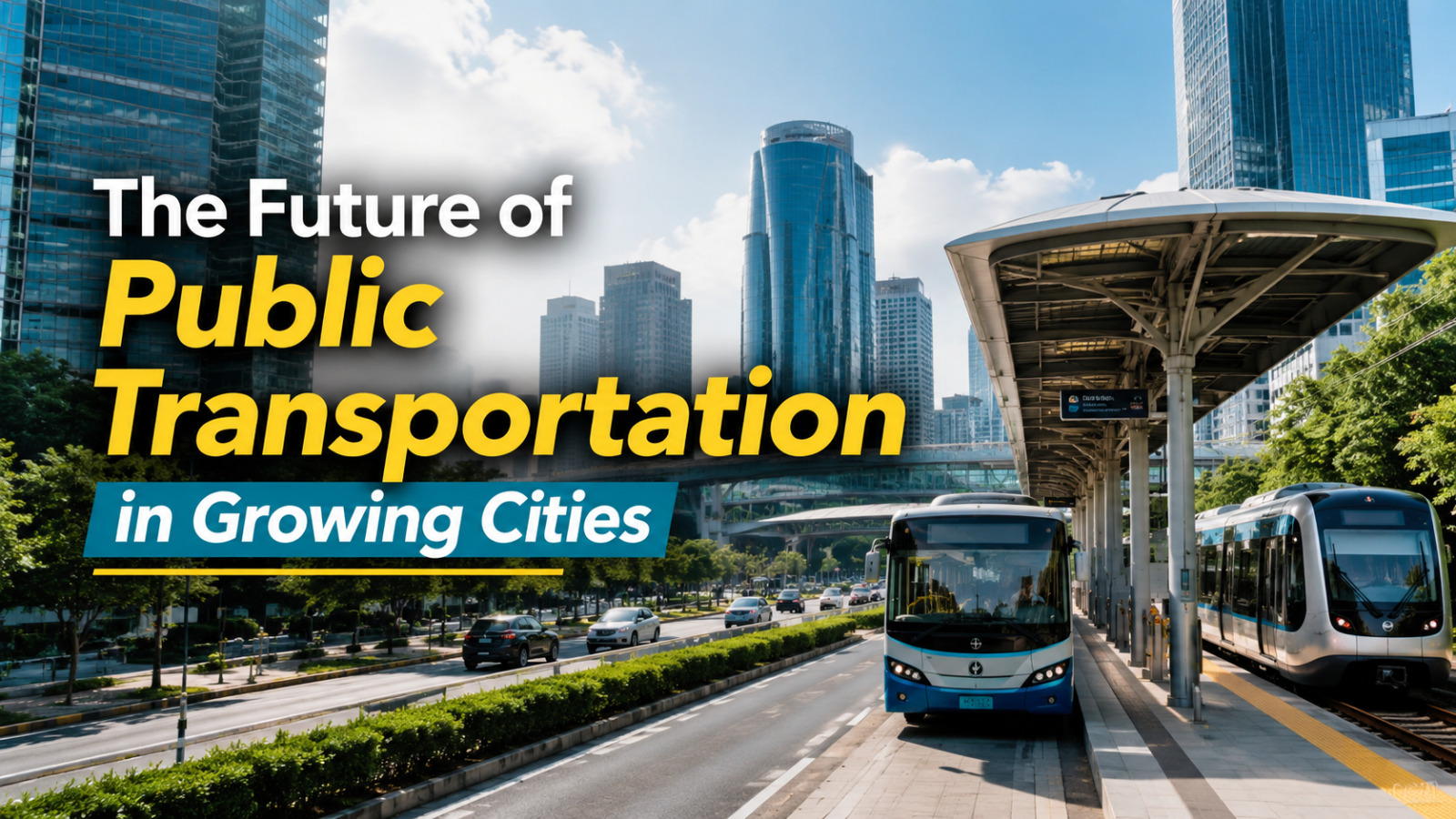
Cities around the world are growing rapidly as more people move to urban areas for education, employment, business, and better access to services. This growth creates greater demand for safe, affordable, reliable, and efficient public transportation. Buses, trains, subways, and other transit systems are becoming increasingly important for keeping cities connected and reducing pressure on roads. At the same time, technological development is changing how people plan, pay for, and experience their journeys. The future of public transportation will depend on how effectively cities combine technology, sustainability, accessibility, and efficient urban planning.
THE GROWING NEED FOR PUBLIC TRANSPORTATION
Population growth is one of the main reasons cities need stronger public transportation systems. As more residents depend on roads for daily travel, traffic congestion can become a serious problem. A well-designed transit network can move large numbers of passengers while using road space more efficiently than individual cars. Reliable public transportation can also make commuting more predictable, helping workers and students reach their destinations on time. For growing cities, expanding transit capacity is therefore an important part of long-term urban development.
Public transportation also helps connect different areas of a city. People living far from business districts, schools, hospitals, and shopping centers need dependable transport options to access essential services. Affordable transit can improve social and economic opportunities for people who do not own private vehicles. As cities continue to expand, transportation planning must consider both central areas and developing communities on the urban edge. A connected transit network can help cities grow without making mobility increasingly difficult.
SMART TECHNOLOGY WILL TRANSFORM TRANSIT SERVICES
Technology is expected to play a major role in the future of public transportation. Real-time tracking systems can allow passengers to see vehicle locations, arrival times, delays, and route changes through mobile applications or digital displays. Automated payment systems can also make boarding faster by reducing the need for cash transactions and physical tickets. Transportation operators can use data to understand passenger demand and adjust services more efficiently. These technologies can make public transit more convenient and responsive to passenger needs.
Artificial intelligence and data analysis may further improve transportation management. Transit agencies can study travel patterns to identify crowded routes and determine where additional services are needed. Predictive maintenance systems can help identify potential equipment problems before they cause major service interruptions. Smart traffic management can also help buses move more efficiently through busy streets. When used responsibly, digital technology can improve both operational efficiency and the overall passenger experience.
ELECTRIC AND LOW EMISSION TRANSPORT WILL GROW
Environmental concerns are another major factor shaping the future of public transportation. Traditional vehicles powered by fossil fuels can contribute to air pollution and greenhouse gas emissions, particularly in densely populated urban areas. Many cities are therefore investing in electric buses, electric trains, and other low emission transportation options. These vehicles can reduce local air pollution and support broader efforts to create cleaner urban environments. The transition to cleaner transportation can also encourage cities to rethink how energy is produced and used.
However, sustainable transportation requires more than replacing conventional vehicles with electric alternatives. Cities also need efficient routes, well-maintained infrastructure, and policies that encourage people to choose public transit. A sustainable transit system must be convenient enough to compete with private vehicle use. Investment in renewable energy, charging infrastructure, and modern transit facilities can further strengthen environmental benefits. Together, these measures can help growing cities reduce transportation emissions while maintaining reliable mobility.
PUBLIC TRANSPORTATION CAN REDUCE TRAFFIC CONGESTION
Traffic congestion is a common challenge in rapidly growing cities. When too many people use private cars and motorcycles at the same time, roads can become crowded and travel times can increase significantly. Public transportation can move many passengers in a smaller amount of road space, especially when cities provide high-capacity buses, rail systems, and dedicated transit lanes. This can reduce the number of individual vehicles competing for limited road space. Effective transit systems can therefore become an important tool for managing urban traffic.
The impact becomes stronger when public transportation is connected with walking and cycling infrastructure. Passengers can walk or cycle to transit stations and continue their journeys using buses or trains. Integrated mobility gives residents more choices instead of depending entirely on private vehicles. Cities can also use park-and-ride facilities and coordinated schedules to make public transit more attractive. These approaches can help create transportation networks that are more efficient and flexible.
ACCESSIBILITY AND AFFORDABILITY WILL REMAIN IMPORTANT
The future of public transportation should not focus only on advanced technology. Accessibility and affordability are equally important because transportation is closely connected to education, employment, healthcare, and other essential activities. Transit systems should be designed to accommodate children, older adults, people with disabilities, and passengers with different mobility needs. Features such as accessible stations, ramps, elevators, clear signs, and priority seating can make public transit easier to use. Affordable fares can also help ensure that transportation remains available to people from different economic backgrounds.
Cities must also consider areas where public transportation services are currently limited. Expanding routes to underserved communities can improve access to jobs and public services. Equitable transportation planning can help reduce mobility gaps between different parts of a city. Fare policies may also include discounts or targeted assistance for eligible passengers. By making transportation both accessible and affordable, cities can create a system that supports broader social inclusion.
CONNECTED TRANSPORTATION WILL IMPROVE DAILY TRAVEL
Future public transportation is likely to become more integrated with other forms of mobility. Instead of using one transportation method for an entire journey, passengers may combine buses, trains, bicycles, walking, and shared mobility services. Integrated transportation networks can make transfers easier and reduce unnecessary travel delays. Digital platforms can help passengers plan these journeys and compare available options in real time. This approach can create a smoother travel experience across different transportation services.
Mobility as a service is another concept that may influence urban transportation. Through a single digital platform, users may be able to plan routes, access different transportation services, and complete payments more conveniently. Better coordination between transportation operators can make the entire network more efficient. However, cities need clear standards for data protection, service quality, and payment systems. Successful integration will require cooperation between governments, transit agencies, technology providers, and private transportation companies.
INFRASTRUCTURE INVESTMENT WILL SHAPE URBAN MOBILITY
Modern public transportation cannot operate effectively without strong infrastructure. Growing cities need to invest in rail lines, bus corridors, stations, terminals, maintenance facilities, and pedestrian connections. Infrastructure must be planned according to current demand while also considering future population growth. Poorly planned expansion can create overcrowded stations, unreliable services, and expensive maintenance problems. Long-term transportation planning is therefore essential for building systems that can adapt to changing urban conditions.
Infrastructure investment should also focus on safety and resilience. Transit facilities need regular maintenance to protect passengers and reduce service disruptions. Cities should consider extreme weather, flooding, power interruptions, and other risks when designing transportation infrastructure. Resilient transit systems can continue operating during challenging conditions and support communities when mobility is most needed. Careful investment today can reduce future costs and improve the reliability of urban transportation.
THE FUTURE WILL DEPEND ON BETTER PLANNING
Technology alone cannot solve every transportation problem in growing cities. A city may have modern vehicles and digital applications, but public transit can still struggle if routes are poorly designed or services are unreliable. Effective transportation planning must begin with a clear understanding of how people move and what communities need. Authorities should use passenger data, public feedback, and urban development plans when making decisions. This can help ensure that investments address real mobility problems rather than simply adding new technology.
Public participation can also contribute to better transportation planning. Residents understand many of the practical challenges they experience during daily journeys. Governments and transit agencies can collect feedback about routes, fares, accessibility, safety, and service quality. Listening to passengers can help transportation providers identify problems that may not appear in technical data alone. Combining professional planning with community input can create more useful and people-centered transit systems.
CONCLUSION
The future of public transportation in growing cities will be shaped by technology, sustainability, accessibility, affordability, and effective planning. As urban populations increase, cities need transportation systems that can move more people efficiently while reducing congestion and environmental impacts. Electric vehicles, smart technologies, integrated mobility, and modern infrastructure can create better travel experiences when they are implemented properly. At the same time, cities must ensure that public transportation remains affordable and accessible to all communities. By investing in reliable and connected transit networks today, growing cities can build a more sustainable, inclusive, and efficient future for urban mobility.
About the Author
Gusti Ayu Tita P
Author — STEKOM University
An active author focused on academic issues, educational technology, and human resource development in the campus environment.















