
The Hedonistic Lifestyle and Excessive Spending Habits Among Millennials
Gusti Ayu Tita P
8 September 2026
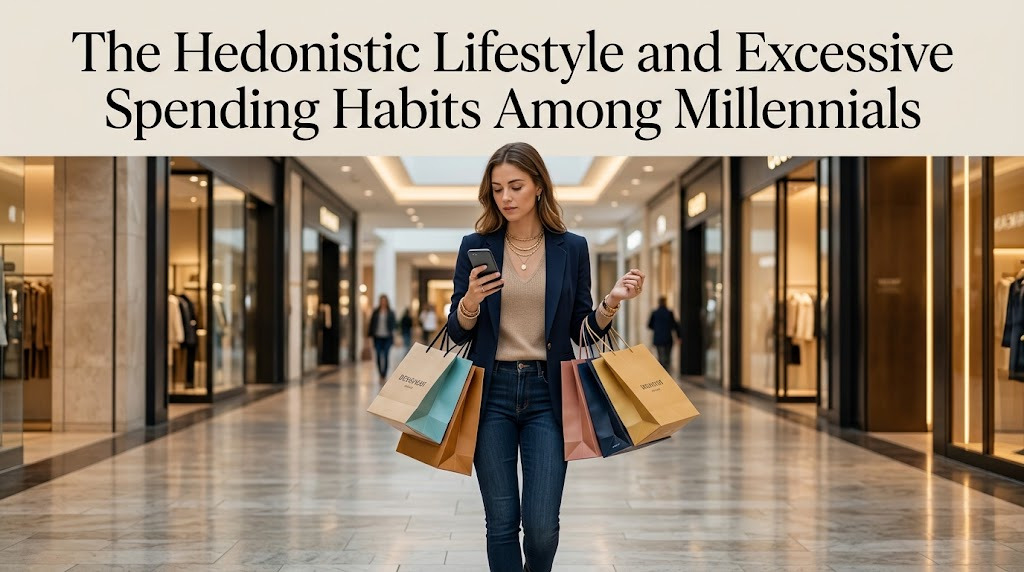
The hedonistic lifestyle has become increasingly visible among millennials as modern technology, social media, and digital shopping make it easier to access entertainment and consumer products. Enjoying good food, traveling, buying fashionable items, or spending money on hobbies is not automatically harmful. However, problems can arise when these activities become excessive and begin to take priority over financial responsibilities.
For millennials who are building careers, supporting families, or preparing for long-term goals, uncontrolled spending can create financial pressure. Understanding the connection between hedonistic lifestyle and excessive spending habits can help millennials enjoy their income while still maintaining financial stability.
UNDERSTANDING THE HEDONISTIC LIFESTYLE AMONG MILLENNIALS
A hedonistic lifestyle focuses strongly on pleasure, comfort, entertainment, and immediate satisfaction. Millennials may express this lifestyle through frequent dining at restaurants, traveling, shopping for lifestyle products, attending entertainment events, or purchasing the latest technology. These activities can provide enjoyment and help people relax after working or dealing with daily responsibilities. The concern begins when spending for pleasure becomes difficult to control.
Hedonism does not always mean buying expensive luxury products. It can also appear through frequent small purchases that seem harmless individually. Ordering food several times a week, subscribing to multiple digital services, or regularly buying items because they are discounted can gradually increase monthly expenses. Therefore, the important issue is not simply how much a person spends on one purchase, but the overall pattern of consumption.
WHY MILLENNIALS CAN DEVELOP EXCESSIVE SPENDING HABITS
Millennials live in an environment where products, services, and experiences are constantly promoted through digital platforms. Online stores make purchasing possible within seconds, while promotional notifications and personalized recommendations encourage consumers to keep browsing. This convenience can make impulsive spending easier than in the past. When purchases become a regular response to boredom, stress, or social pressure, spending can become difficult to manage.
Lifestyle expectations can also influence spending behavior. Some millennials may feel pressure to maintain a certain appearance, travel frequently, use popular products, or participate in social activities. Social comparison can create the impression that other people are living better or more successfully. As a result, spending money may become a way to maintain an image rather than simply satisfy genuine needs.
THE ROLE OF SOCIAL MEDIA IN MILLENNIAL SPENDING
Social media has changed the way people discover products, trends, destinations, restaurants, and entertainment. Influencers and content creators frequently present carefully selected lifestyles that can make expensive consumption appear ordinary. Seeing these posts repeatedly may encourage millennials to compare their own lifestyles with those of others. This can contribute to FOMO, or fear of missing out.
FOMO can encourage people to purchase products or experiences simply because they are currently popular. A limited-time promotion, trending fashion item, or popular travel destination may seem impossible to ignore. Although one purchase may not significantly affect a person's finances, repeated trend-based spending can become expensive. Developing digital awareness can help millennials recognize when social media content is influencing their financial decisions.
HOW EXCESSIVE SPENDING AFFECTS FINANCIAL STABILITY
The most obvious effect of excessive spending is a reduction in available money for important financial goals. When a large portion of income goes toward entertainment and lifestyle purchases, there may be less money available for personal savings, investments, or emergency funds. This can make it harder to prepare for unexpected expenses. Over time, the lack of financial reserves can create significant pressure.
Excessive spending can also encourage dependence on credit or other forms of borrowing. Using debt to finance non-essential purchases may provide immediate satisfaction but create future repayment obligations. If this pattern continues, monthly income can become increasingly committed to previous purchases. Strong financial planning is therefore important for maintaining a healthy balance between current enjoyment and future security.
THE DIFFERENCE BETWEEN ENJOYING LIFE AND OVERSPENDING
Enjoying life does not mean that millennials must avoid entertainment or stop spending money on things they enjoy. A balanced lifestyle allows people to use part of their income for recreation while still meeting essential responsibilities. The key difference is whether spending remains within a realistic budget. Someone can enjoy restaurants, travel, fashion, or hobbies without developing unhealthy financial habits.
Overspending usually occurs when lifestyle purchases interfere with important priorities. For example, regularly spending money on entertainment while struggling to pay bills or save for emergencies indicates that consumption may have become excessive. Understanding needs and wants can make financial decisions easier. When people know what they genuinely value, they can spend intentionally rather than purchasing simply because something is attractive or popular.
BUILDING HEALTHIER SPENDING HABITS AMONG MILLENNIALS
The first step toward healthier finances is tracking monthly income and expenses. Millennials can categorize spending into essential costs, savings, debt payments, and entertainment. Setting a specific limit for lifestyle spending can provide room for enjoyment without allowing it to dominate the budget. This approach supports responsible spending while still allowing personal freedom.
It is also useful to create clear long-term financial goals. Saving for a home, education, family needs, retirement, or an emergency fund can provide a stronger reason to control unnecessary purchases. Before buying something, taking a short pause and asking whether it is necessary, affordable, and genuinely valuable can reduce impulsive purchases. With consistent financial discipline, millennials can enjoy their income while protecting their future financial condition.
CONCLUSION
The connection between a hedonistic lifestyle and excessive spending habits among millennials is closely related to modern consumer culture, social media, and easy digital purchasing. Enjoying entertainment, travel, fashion, food, and hobbies is not inherently negative when these expenses remain under control. Problems occur when lifestyle consumption becomes more important than savings, responsibilities, and long-term financial goals. Recognizing impulsive spending, FOMO, social comparison, and poor budgeting can help millennials identify unhealthy financial patterns early. Ultimately, the goal is not to eliminate enjoyment but to create a balanced lifestyle in which present happiness and future financial security can exist together.
About the Author
Gusti Ayu Tita P
Author — STEKOM University
An active author focused on academic issues, educational technology, and human resource development in the campus environment.















