The Hedonistic Lifestyle and FOMO Among Today’s Young Generation
Gusti Ayu Tita P
8 September 2026
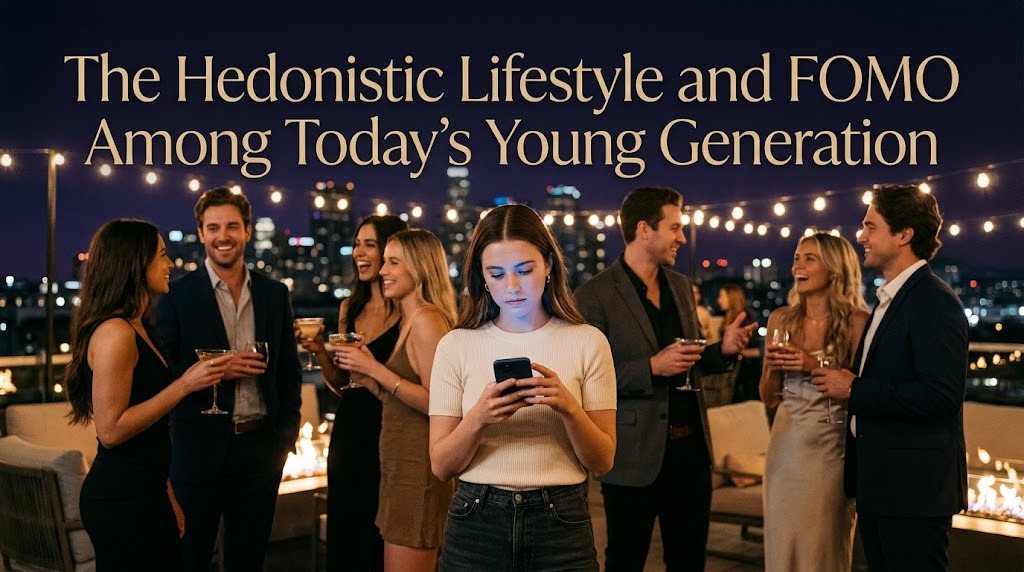
The hedonistic lifestyle has become increasingly noticeable among today’s young generation. Social media exposes young people to trends, entertainment, fashion, travel, and consumer products that can create a strong desire to participate. At the same time, FOMO or Fear of Missing Out can make someone feel anxious about being left behind when they see others enjoying experiences online. When these two behaviors interact, they may influence spending habits, social relationships, and future priorities.
UNDERSTANDING THE HEDONISTIC LIFESTYLE AND FOMO
A hedonistic lifestyle is generally associated with placing strong importance on pleasure, comfort, entertainment, and immediate satisfaction. Young people may express it through frequent shopping, dining out, traveling, attending events, or purchasing products associated with current trends. These activities are not automatically harmful because enjoying experiences is a normal part of life. The concern appears when the pursuit of pleasure becomes excessive and begins to interfere with responsibilities or long-term plans.
Meanwhile, FOMO describes the concern that other people are experiencing something valuable or enjoyable without us. Social media can make this feeling stronger because users constantly see updates about what friends, influencers, and other communities are doing. Someone may feel pressured to participate simply because everyone else appears to be doing the same thing. This can turn ordinary social participation into a source of emotional and financial pressure.
HOW SOCIAL MEDIA STRENGTHENS FOMO
Social media provides a continuous stream of carefully selected experiences. Photos of vacations, concerts, new restaurants, fashionable clothes, and expensive products can make these activities appear common and necessary. Young users may compare their own lives with these online images without knowing the circumstances behind them. This can create the perception that they need to do more or spend more to keep up with others.
The problem becomes more noticeable when social comparison affects personal decisions. A person who repeatedly sees friends attending popular events may feel uncomfortable about staying home. Similarly, seeing others purchase the latest products can create a desire to own the same things. As a result, social media can transform FOMO into impulsive consumption, particularly when attractive trends are only available for a limited time.
THE CONNECTION BETWEEN FOMO AND HEDONISTIC BEHAVIOR
FOMO and hedonistic behavior can reinforce each other. FOMO creates the feeling that a person needs to participate in an experience, while hedonistic behavior focuses on obtaining immediate pleasure from that experience. For example, someone might visit an expensive restaurant because it is trending online rather than because they genuinely want the food. The decision may provide temporary satisfaction but may not support the person's financial priorities.
This pattern can become repetitive when each new trend creates another reason to spend. A young person may purchase new clothes for an event, upgrade a device because others have done so, or travel to a popular destination mainly to create social media content. Over time, trend-driven spending can become a habit. Without awareness, the individual may begin measuring enjoyment and social success through consumption.
THE IMPACT ON FINANCIAL HABITS
One of the major concerns associated with FOMO and excessive spending is their effect on personal finances. Young people who frequently make decisions based on trends may spend money that was originally intended for savings or essential expenses. A single purchase may not seem significant, but repeated purchases can create a substantial financial burden. This becomes more serious when someone uses debt or credit to maintain a particular lifestyle.
Developing financial literacy can help young people recognize this pattern. Before making a purchase, it is useful to consider whether the item is genuinely needed, whether it fits the budget, and whether the desire would remain if the trend disappeared. Building savings and establishing clear financial goals can also provide a stronger sense of security. Financial discipline does not mean avoiding enjoyment; it means making sure short-term pleasure does not destroy long-term stability.
THE EFFECT ON MENTAL AND SOCIAL WELL-BEING
Constant exposure to other people's lifestyles can affect how young people evaluate themselves. Someone may feel inadequate when their daily life seems less exciting than what appears on social media. This can produce social pressure, dissatisfaction, or an ongoing need for recognition. Instead of enjoying experiences naturally, a person may begin choosing activities based on how impressive they will look to others.
FOMO can also make it difficult to feel satisfied with the present. There is always another destination, product, event, or trend that appears more exciting. This continuous search for the next experience may reduce appreciation for simpler activities and meaningful relationships. Maintaining healthy boundaries with social media and recognizing that online content is often selective can help young people develop a more realistic view of happiness.
HOW YOUNG PEOPLE CAN MANAGE FOMO
Managing FOMO begins with recognizing that not every trend requires participation. Young people can learn to pause before making decisions and ask whether they genuinely want an experience or simply feel pressured by what they see online. Creating a personal budget can also make it easier to distinguish between planned entertainment and unnecessary spending. This allows individuals to enjoy social activities without constantly worrying about their financial situation.
Another useful approach is to reduce excessive social comparison. Taking regular breaks from social media can provide space to focus on education, hobbies, relationships, physical activities, and personal goals. It is also important to remember that people usually share their most attractive moments online, not every challenge they experience. By developing self-awareness and financial control, young people can enjoy social experiences without allowing FOMO to determine their choices.
CONCLUSION
The connection between the hedonistic lifestyle and FOMO among today’s young generation is strongly influenced by social media and modern consumer culture. Young people are constantly exposed to trends and experiences that can create the feeling that they must participate to remain socially connected. When FOMO encourages repeated consumption, it can contribute to impulsive spending, financial difficulties, social pressure, and dissatisfaction.
However, enjoying life does not mean that every trend must be followed. Young people can maintain a healthier balance by developing financial awareness, limiting unnecessary social comparison, and making decisions based on personal priorities rather than online pressure. Understanding the difference between genuine enjoyment and FOMO-driven consumption can help create healthier habits. In the long term, the ability to enjoy the present while protecting financial and personal goals can lead to a more stable and satisfying future.
About the Author
Gusti Ayu Tita P
Author — STEKOM University
An active author focused on academic issues, educational technology, and human resource development in the campus environment.