The Hedonistic Lifestyle and Social Pressure Among Young People
Gusti Ayu Tita P
8 September 2026
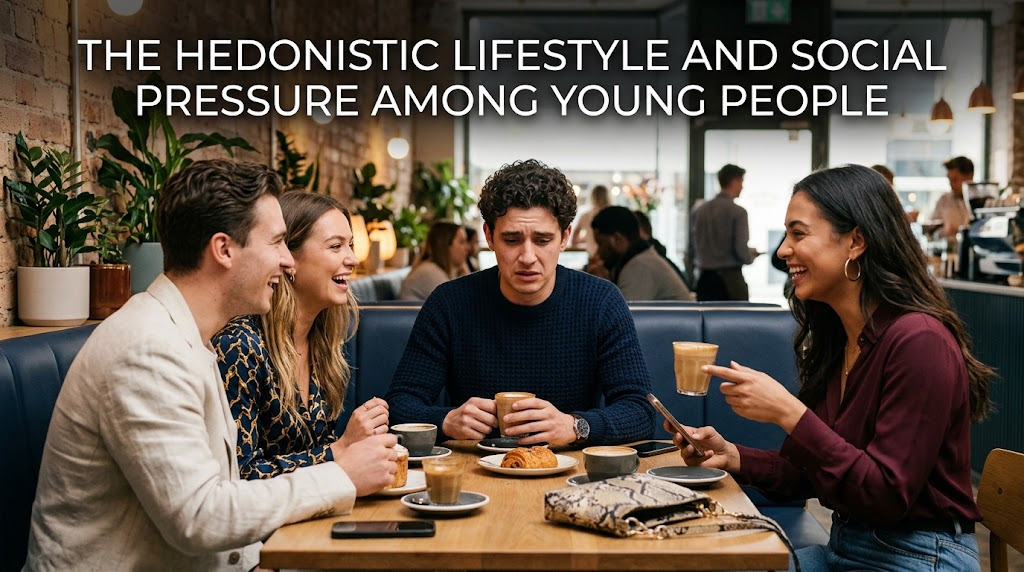
The modern lifestyle gives young people many opportunities to enjoy entertainment, shopping, travel, food, and social activities. At the same time, social pressure can influence how they make decisions about money, appearance, relationships, and daily activities. When the desire to gain acceptance becomes connected to constant pleasure and consumption, it may contribute to a hedonistic lifestyle. Understanding this relationship is important because young people need to enjoy their lives without allowing other people's expectations to control their choices.
UNDERSTANDING THE HEDONISTIC LIFESTYLE
A hedonistic lifestyle is a way of living that places strong importance on pleasure, comfort, entertainment, and immediate satisfaction. Young people may express this lifestyle through frequent shopping, visiting trendy places, traveling, attending events, or purchasing products that make them feel satisfied. These activities are not automatically harmful because recreation and enjoyment are normal parts of life. The problem begins when the pursuit of pleasure becomes excessive and interferes with responsibilities or future priorities.
In today's digital environment, hedonistic behavior can become more visible because social media constantly displays different lifestyles. Young people can easily see what their friends, influencers, and other online personalities are buying and experiencing. This exposure can influence their expectations about what a successful or enjoyable life should look like. As a result, consumer behavior may become closely connected to the desire for recognition and social acceptance.
WHY SOCIAL PRESSURE AFFECTS YOUNG PEOPLE
Young people often care about how they are perceived by friends and their wider social environment. During adolescence and early adulthood, relationships and group belonging can have a strong influence on personal decisions. Someone may participate in activities they do not particularly enjoy simply because they want to remain part of a group. This is one reason peer pressure can affect lifestyle and spending habits.
Social pressure does not always appear as direct criticism. Sometimes it is created indirectly when people observe what others are doing and assume they should behave similarly. For example, seeing friends regularly visit expensive cafés or purchase fashionable products may create an expectation that everyone should do the same. Over time, young people may spend more money simply to avoid feeling different or excluded.
THE ROLE OF SOCIAL MEDIA AND ONLINE COMPARISON
Social media has made social comparison more frequent and visible. Users can quickly see photos and videos of friends enjoying vacations, attending concerts, buying new products, or visiting popular restaurants. Because these platforms usually highlight attractive moments, they may create an unrealistic impression that other people are constantly enjoying exciting lives. Young people may then compare their everyday experiences with carefully selected online content.
This comparison can create FOMO or Fear of Missing Out. Someone may feel that they need to participate in every popular activity because they are afraid of being left behind. This can lead to unnecessary purchases, excessive entertainment, or spending beyond one's financial capacity. The pressure to keep up with online trends can therefore strengthen the connection between social media, FOMO, and hedonistic behavior.
THE IMPACT ON SPENDING HABITS
One of the clearest effects of social pressure is its influence on spending habits. Young people may purchase fashionable clothes, smartphones, beauty products, food, or entertainment services because these items are popular within their social environment. The motivation may not come from genuine need but from the desire to appear successful or fit in with others.
Repeated social spending can create financial pressure. A young person with limited income may find it difficult to maintain the same lifestyle as friends with different financial circumstances. If the person continues spending beyond their budget, they may have less money available for savings and essential expenses. Learning to establish personal financial limits is therefore important for avoiding consumption based primarily on social expectations.
THE EFFECT ON SELF-CONFIDENCE AND WELL-BEING
Social pressure can affect more than financial conditions. When young people constantly compare themselves with others, they may begin to question their own appearance, achievements, possessions, or lifestyle. They may feel that they are not successful enough simply because they cannot participate in the same activities as others. This can reduce self-confidence and personal satisfaction.
A strong dependence on external approval can also make happiness less stable. If someone feels accepted only when they wear certain clothes, own particular products, or participate in popular activities, their sense of self-worth may become connected to consumption. Developing self-acceptance can help young people understand that personal value is not determined by possessions or social status. Healthy relationships should also allow individuals to make different choices without feeling constantly judged.
HOW YOUNG PEOPLE CAN DEAL WITH SOCIAL PRESSURE
Young people can manage social pressure by becoming more aware of their own values, needs, and financial priorities. Before following a trend or accepting an invitation, they can consider whether the activity is genuinely meaningful to them. It is also reasonable to decline activities that are too expensive or conflict with important responsibilities. Saying no does not mean rejecting friendship; it can simply mean respecting personal limits.
Developing financial discipline can also provide greater confidence when dealing with social pressure. A clear budget allows young people to know how much they can reasonably spend on entertainment and social activities. They can still enjoy experiences with friends without participating in every expensive activity. Building supportive relationships with people who respect different financial circumstances can make it easier to maintain a balanced lifestyle.
CONCLUSION
The relationship between the hedonistic lifestyle and social pressure among young people is influenced by peer relationships, social media, FOMO, consumer culture, and the desire for acceptance. Young people may sometimes spend money or participate in activities not because they genuinely want to, but because they fear being excluded or judged. If this behavior becomes a regular pattern, it can affect financial stability, self-confidence, and personal priorities.
The best response is not to avoid social activities or pleasure completely. Instead, young people can develop self-awareness, financial discipline, and confidence in their own choices. They can enjoy time with friends while remaining within their financial limits and refusing unnecessary pressure to follow every trend. By learning to value personal goals more than external approval, young people can build a healthier lifestyle that supports both present happiness and future financial security.
About the Author
Gusti Ayu Tita P
Author — STEKOM University
An active author focused on academic issues, educational technology, and human resource development in the campus environment.