The Hedonistic Lifestyle in the Digital Era When Trends Become a Way of Life
Gusti Ayu Tita P
8 September 2026
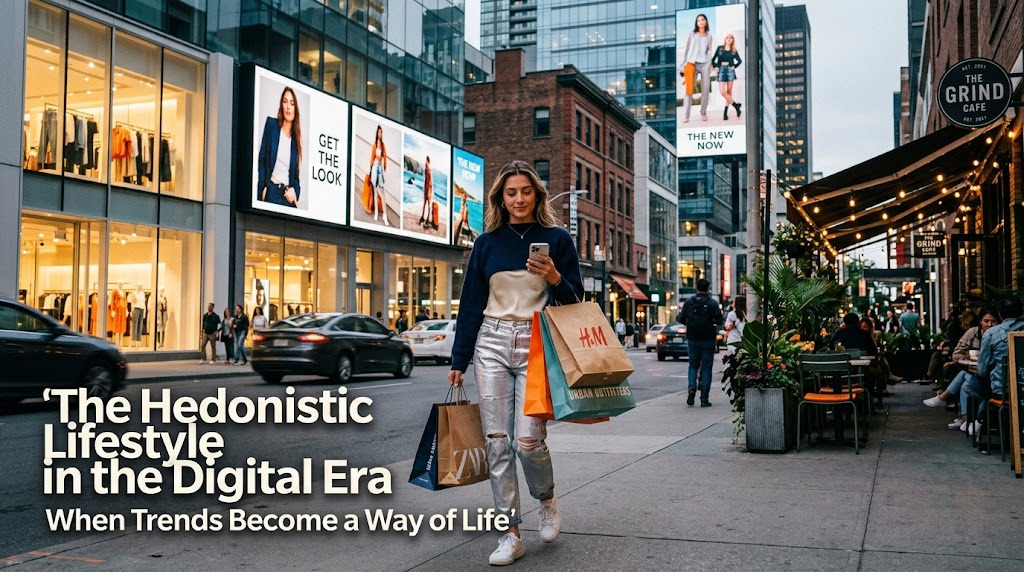
The digital era has changed the way people discover trends, communicate, shop, and spend their free time. Young people can now see new fashion styles, restaurants, travel destinations, gadgets, and entertainment almost instantly through social media. While following trends can be enjoyable, constantly pursuing what is popular may gradually influence spending habits and personal priorities. When consumption and pleasure become central to everyday decisions, a hedonistic lifestyle can develop.
UNDERSTANDING HEDONISM IN THE DIGITAL ERA
A hedonistic lifestyle is generally associated with placing strong importance on pleasure, comfort, entertainment, and immediate satisfaction. In everyday life, this may appear through frequent shopping, dining out, traveling, attending events, or purchasing products that provide personal enjoyment. These activities are not automatically negative because people naturally need recreation and enjoyable experiences. The concern arises when the search for pleasure becomes excessive and starts affecting responsibilities, finances, or long-term goals.
The digital environment makes this lifestyle easier to develop because technology provides constant access to entertainment and consumption. A person can discover a new trend on social media, compare products online, and make a purchase within minutes. This convenience reduces the time available for reflection before spending. As a result, trends can move from being occasional interests to becoming regular parts of everyday life.
HOW TRENDS BECOME PART OF EVERYDAY LIFE
Trends can spread extremely quickly through social media platforms. A particular product, restaurant, fashion style, travel destination, or entertainment activity can gain widespread attention after being shared by influencers and users. Young people may encounter the same trend repeatedly across different platforms. Repeated exposure can make the trend appear more important and popular than it actually is.
The desire to follow trends is not always based on practical needs. Sometimes people participate because they want to feel connected to their social environment or avoid being left behind. This can create trend-driven consumption, where purchasing decisions are influenced more by popularity than usefulness. When this happens frequently, following trends can become a lifestyle rather than an occasional activity.
THE ROLE OF SOCIAL MEDIA IN CONSUMER BEHAVIOR
Social media influence has become an important factor in modern consumer behavior. Influencers and content creators often present products as part of attractive lifestyles rather than simply describing their practical functions. A particular bag, smartphone, outfit, or restaurant may be associated with confidence, popularity, or success. This presentation can encourage viewers to connect consumption with personal identity.
Social media also makes social comparison easier. Young people can regularly see what their friends or other users are buying, where they are traveling, and how they spend their free time. Because online content often highlights positive experiences, it may create unrealistic expectations about everyday life. Some individuals may then increase their spending to create a lifestyle that looks equally attractive.
WHEN CONSUMPTION BECOMES A HABIT
Consumption becomes more concerning when buying is used as a regular source of emotional satisfaction. Someone may shop after feeling bored, stressed, disappointed, or simply because a product appears attractive online. The purchase can provide temporary excitement, but that feeling may disappear quickly. This can encourage another purchase whenever the person wants to experience the same emotional response.
Digital shopping can strengthen this cycle through flash sales, personalized recommendations, discounts, and convenient payment systems. Consumers can make purchases without physically visiting a store or handling cash. Because transactions are quick, people may pay less attention to how much they spend over time. Regularly tracking expenses can help reveal whether shopping has become excessive.
THE CONNECTION BETWEEN TRENDS AND FOMO
FOMO or Fear of Missing Out is closely connected to trend-based consumption. When young people see others participating in a popular activity, they may worry that they are missing an important experience. This feeling can encourage them to purchase products, attend events, visit destinations, or join activities even when they were not originally interested.
FOMO can also create a sense of urgency. Limited-time promotions, viral products, exclusive events, and rapidly changing trends can make people feel that they must act immediately. This may reduce careful decision-making and increase impulsive spending. If FOMO becomes a regular influence, young people may find it difficult to distinguish between genuine desires and pressure created by online trends.
THE LONG-TERM EFFECTS OF A TREND-BASED LIFESTYLE
A lifestyle centered on constantly following trends can affect financial stability. Frequent spending may reduce savings and leave less money for education, emergency needs, investments, or other long-term priorities. Products purchased because they are popular may also lose their appeal once a new trend appears. This can create a continuous cycle of buying and replacing things.
The effects can extend beyond finances. Constantly chasing trends may make people feel that they are never satisfied with what they already have. Their attention can shift from personal goals toward maintaining a particular image. Developing financial awareness and personal independence can help young people decide which trends genuinely add value to their lives and which ones can simply be ignored.
BUILDING A HEALTHIER DIGITAL LIFESTYLE
Young people do not need to avoid trends or social media completely. Instead, they can practice conscious consumption by thinking carefully before making purchases. Asking whether an item is needed, affordable, useful, and likely to remain valuable over time can prevent many unnecessary purchases. Setting a specific budget for entertainment and lifestyle expenses can also provide greater financial control.
It is equally important to develop interests and sources of happiness that do not depend entirely on consumption. Education, hobbies, relationships, creativity, physical activities, and personal development can provide meaningful experiences without requiring constant spending. Taking occasional breaks from social media can also reduce exposure to unnecessary comparisons. In this way, technology can remain useful without allowing trends to control everyday decisions.
CONCLUSION
The hedonistic lifestyle in the digital era can develop when trends, social media, and easy access to consumption begin influencing everyday decisions. Following trends is not necessarily harmful, but constantly buying products or pursuing experiences simply because they are popular can lead to impulsive spending, FOMO, financial pressure, and dissatisfaction. The speed of digital platforms makes this process easier because new trends are constantly introduced to consumers.
The key is not to reject modern technology or enjoyment but to develop balance and self-awareness. Young people can enjoy trends while remaining selective, maintaining a budget, and prioritizing long-term goals. Understanding the difference between genuine needs and temporary online pressure can help prevent consumption from becoming excessive. Ultimately, a healthy digital lifestyle allows people to enjoy modern experiences without letting trends become the center of their lives.
About the Author
Gusti Ayu Tita P
Author — STEKOM University
An active author focused on academic issues, educational technology, and human resource development in the campus environment.