
The Hidden Effects of Toxic Positivity on Everyday Life
Gusti Ayu Tita P
25 Juli 2026
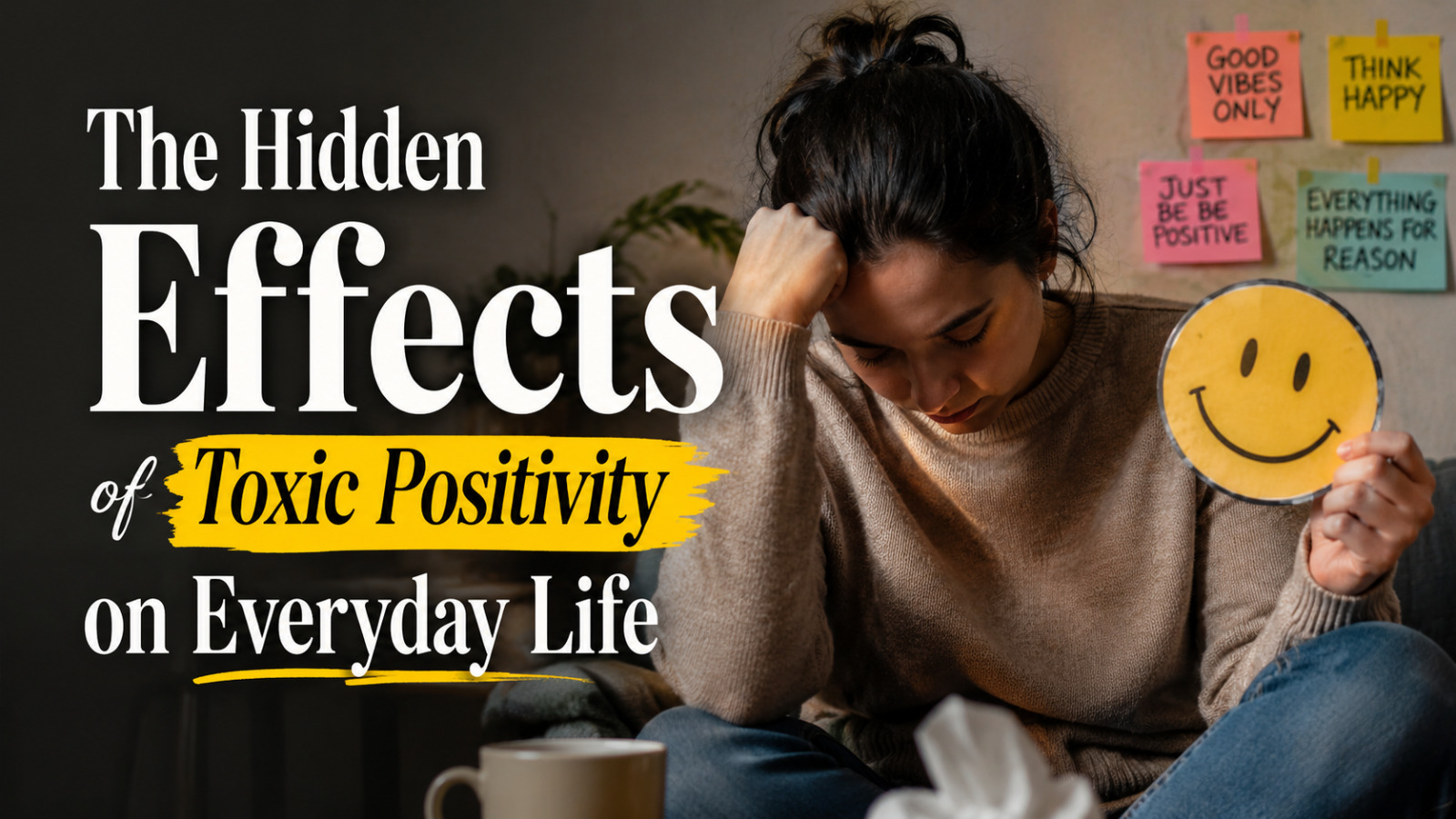
In a world filled with motivational quotes, cheerful social media posts, and constant encouragement to "stay positive," it is easy to believe that happiness should always come first. While optimism can improve mental well-being, forcing positive emotions at all times can become harmful. This unhealthy mindset is commonly known as toxic positivity, and it often causes people to ignore, suppress, or deny their genuine emotions.
Understanding the hidden effects of toxic positivity is essential because emotional health depends on accepting both positive and negative experiences. Recognizing emotions instead of hiding them allows people to develop stronger resilience, healthier relationships, and better mental well-being.
WHAT IS TOXIC POSITIVITY?
Toxic positivity is the belief that people should maintain a positive attitude regardless of how difficult or painful a situation may be. It often appears through phrases such as "Everything happens for a reason," "Just stay positive," or "Don't think negatively." Although these statements are usually intended to encourage others, they can unintentionally dismiss genuine emotional struggles.
Everyone experiences sadness, disappointment, frustration, and fear at different points in life. These emotions are a natural part of being human. Accepting and processing difficult feelings is far healthier than pretending they do not exist, because emotional honesty supports long-term psychological well-being.
WHY PEOPLE PRACTICE TOXIC POSITIVITY
Many people adopt toxic positivity without realizing it. Society often celebrates success, confidence, and happiness while viewing vulnerability as weakness. As a result, individuals may feel pressured to hide their true emotions in order to appear strong or successful.
Social media also contributes to this behavior by displaying carefully selected moments of happiness and achievement. Constant exposure to these idealized lifestyles may convince people that negative emotions should be avoided, creating unrealistic expectations about everyday life.
THE HIDDEN EFFECTS ON MENTAL HEALTH
One of the most significant consequences of toxic positivity is emotional suppression. Ignoring sadness, anger, or anxiety does not eliminate these feelings. Instead, they often build up over time and may contribute to increased stress, emotional exhaustion, or even symptoms of anxiety and depression.
People who constantly force themselves to appear happy may also struggle with self-acceptance. They can begin to believe that experiencing negative emotions means they are failing, leading to unnecessary guilt and lower self-esteem. A healthy emotional life includes learning how to experience both joy and hardship.
HOW TOXIC POSITIVITY AFFECTS RELATIONSHIPS
Relationships thrive on honesty, empathy, and mutual understanding. When someone responds to another person's pain with overly positive advice instead of genuine empathy, the individual may feel unheard or emotionally isolated.
Over time, this pattern can weaken trust between friends, family members, and partners. People are more likely to build meaningful relationships when they listen without judgment, validate emotions, and provide support instead of immediately trying to "fix" every problem.
HEALTHY WAYS TO REPLACE TOXIC POSITIVITY
Replacing toxic positivity begins with accepting emotions instead of rejecting them. It is perfectly normal to experience sadness, disappointment, anger, or fear. Acknowledging these feelings allows individuals to process them in healthy ways and recover more effectively.
Practicing self-compassion, talking with trusted friends, writing in a journal, or seeking professional mental health support are all constructive approaches. Rather than forcing constant happiness, people can develop emotional resilience by recognizing that every emotion has value and serves an important purpose.
CONCLUSION
Toxic positivity may appear supportive on the surface, but its hidden effects can negatively influence mental health, self-esteem, and personal relationships. Real emotional strength does not come from ignoring pain; it comes from understanding and managing emotions honestly.
By embracing both positive and negative experiences, people can build healthier coping strategies, stronger connections with others, and a more balanced perspective on life. Genuine positivity grows naturally when individuals feel safe to express every part of the human experience.
About the Author
Gusti Ayu Tita P
Author — STEKOM University
An active author focused on academic issues, educational technology, and human resource development in the campus environment.















