
The History Behind Popular Independence Day Traditions
Gusti Ayu Tita P
4 Agustus 2026
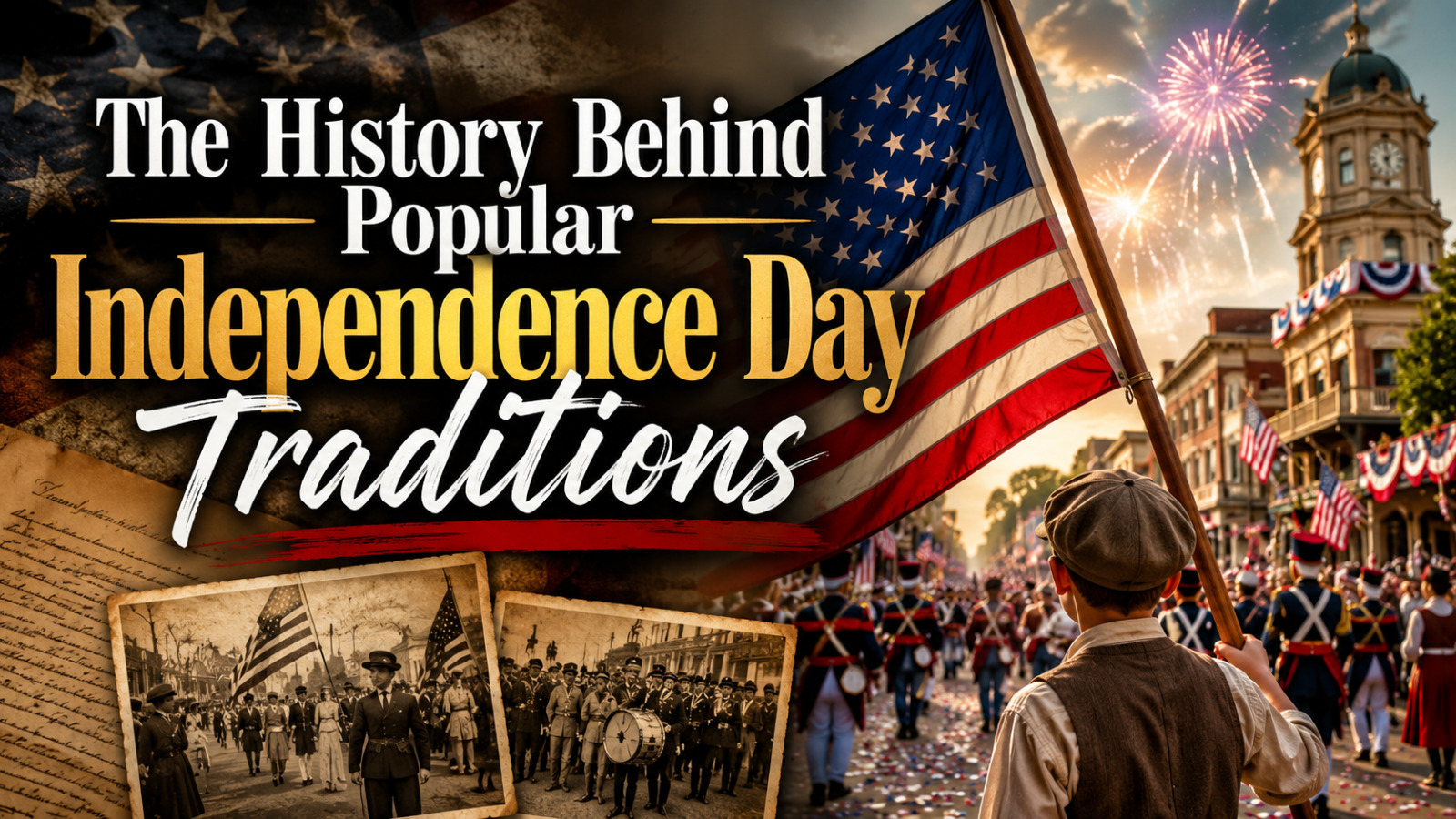
Independence Day is one of the most meaningful national celebrations in many countries around the world. It marks the moment when a nation achieved freedom, independence, and the right to govern itself. While every country celebrates differently, many Independence Day traditions have become symbols of unity, patriotism, and national pride. Understanding the history behind these traditions helps people appreciate why they continue to be celebrated today.
THE ORIGIN OF INDEPENDENCE DAY CELEBRATIONS
Independence Day celebrations began as a way to honor important historical events that changed a nation's future. After gaining independence, governments and citizens organized public gatherings to remember the sacrifices made by heroes who fought for freedom. These early celebrations often included speeches, ceremonies, and community events that united people under a shared national identity.
Over time, these commemorations evolved into annual traditions passed down from generation to generation. Each celebration became an opportunity to teach younger people about their country's history, values, and the importance of protecting independence. Today, many of these customs remain an essential part of national culture.
WHY PARADES BECAME A POPULAR TRADITION
One of the most recognizable Independence Day traditions is the parade. Historically, military units marched through cities to demonstrate the country's strength and readiness to protect its freedom. Community organizations, schools, musicians, and cultural groups later joined these parades, making them celebrations for everyone.
Modern parades represent much more than entertainment. They symbolize unity, teamwork, and respect for those who contributed to the nation's independence. Watching people from different backgrounds march together reminds citizens that national progress depends on cooperation and shared values.
THE MEANING OF FIREWORKS AND FLAG DISPLAYS
Fireworks have long been associated with Independence Day because they represent celebration, hope, and the excitement of achieving freedom. Bright lights filling the night sky create memorable experiences that bring families and communities together. In many countries, fireworks have become one of the most anticipated parts of the holiday.
Displaying the national flag is another important tradition. The flag represents the country's identity, sovereignty, and the sacrifices made by previous generations. Flying the flag at homes, schools, and public buildings encourages citizens to express respect and appreciation for their nation's history.
HOW FAMILY GATHERINGS BECAME AN IMPORTANT CUSTOM
Independence Day is not only a national event but also a family celebration. Many families gather for barbecues, picnics, festivals, or special meals while enjoying local entertainment. These activities create opportunities for relatives and friends to spend quality time together.
Family traditions strengthen relationships while allowing older generations to share stories about historical events and national heroes. These conversations help younger family members better understand the significance of independence and encourage them to preserve important cultural values.
THE ROLE OF CULTURAL PERFORMANCES AND MUSIC
Traditional music, dance, and cultural performances are common during Independence Day celebrations. These performances showcase a nation's heritage and remind people of the diversity that contributes to national identity. Many local communities organize concerts, folk dances, and theatrical performances inspired by historical events.
Cultural activities also promote appreciation for local traditions and encourage younger generations to participate. By combining entertainment with education, these performances help keep historical stories alive while strengthening community pride.
HOW INDEPENDENCE DAY TRADITIONS HAVE EVOLVED
As society changes, Independence Day traditions continue to adapt. Modern technology allows people to participate through live broadcasts, social media campaigns, and virtual events, making celebrations more accessible than ever before. Communities also organize charity events, educational exhibitions, and environmental activities alongside traditional ceremonies.
Although celebrations have become more modern, their core purpose remains unchanged. They continue to honor the nation's journey toward freedom, celebrate the achievements of its people, and inspire future generations to value independence and unity.
WHY PRESERVING THESE TRADITIONS MATTERS
Preserving Independence Day traditions ensures that important historical lessons are never forgotten. These customs connect the past with the present by reminding citizens of the sacrifices required to achieve independence. They also encourage gratitude, responsibility, and respect for democratic values.
When communities continue celebrating together, they strengthen social bonds and build a shared sense of belonging. By understanding the history behind these traditions, people become more committed to protecting their country's future while honoring those who shaped its past.
CONCLUSION
The history behind popular Independence Day traditions reflects a nation's journey toward freedom, unity, and national pride. Traditions such as parades, fireworks, flag displays, family gatherings, and cultural performances continue to educate, inspire, and unite people across generations. While celebrations may evolve with time, their deeper meaning remains the same: honoring the sacrifices of the past while encouraging every citizen to build a stronger future. Preserving these traditions helps ensure that the spirit of independence continues to inspire generations for years to come.
About the Author
Gusti Ayu Tita P
Author — STEKOM University
An active author focused on academic issues, educational technology, and human resource development in the campus environment.















