The History of Indonesian National Songs That Inspire Patriotism
Gusti Ayu Tita P
5 Agustus 2026
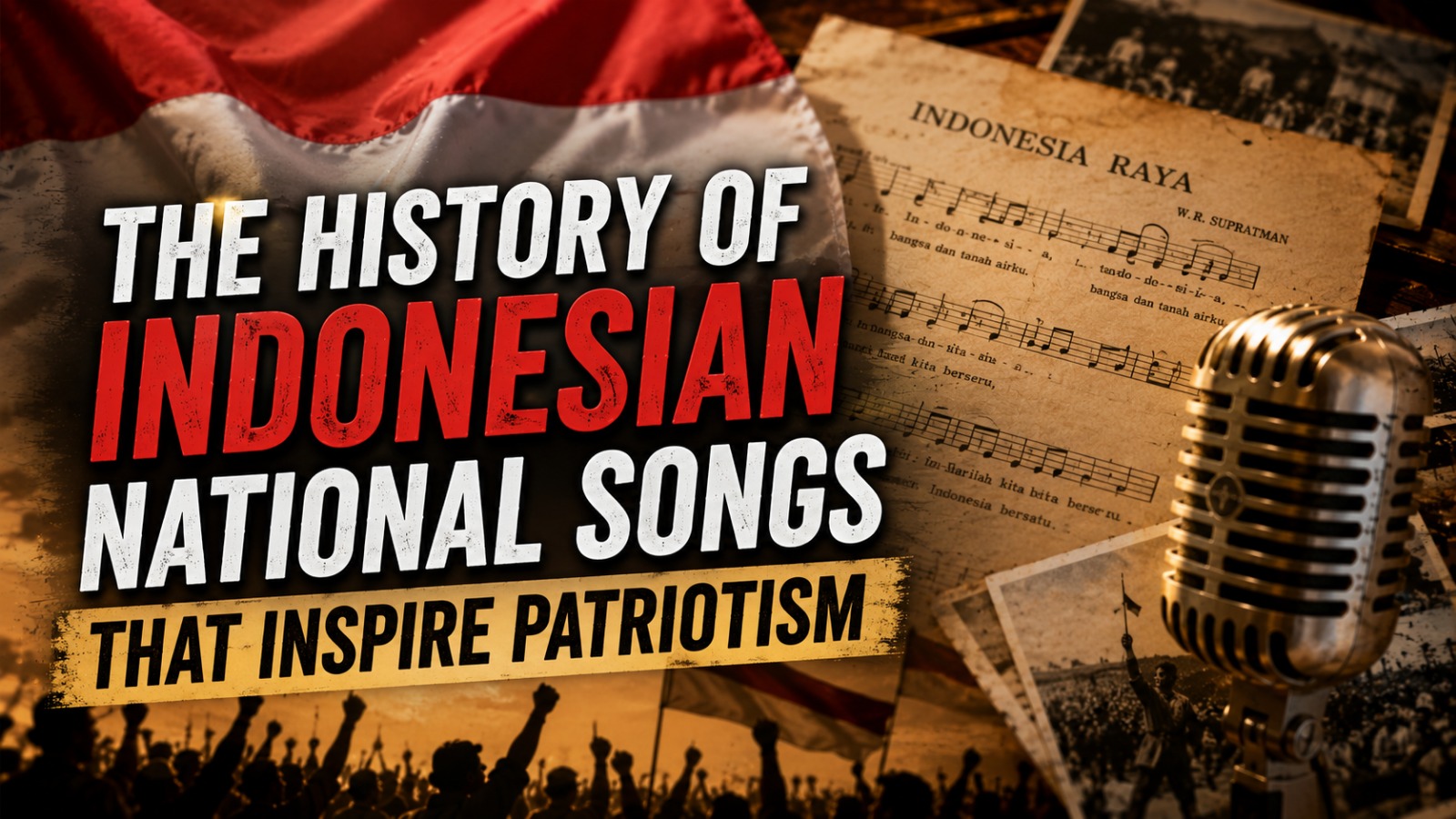
Indonesian national songs are more than just musical compositions. They represent the history, struggle, unity, and patriotic spirit of the Indonesian people. Since the country's journey toward independence, national songs have played an essential role in inspiring courage, strengthening national identity, and encouraging people to work together for a better future. Even today, these songs continue to be performed during official ceremonies, educational activities, and national celebrations.
Understanding the history of Indonesian national songs helps people appreciate the sacrifices made by previous generations. Every melody and lyric carries meaningful messages about love for the homeland, national unity, and respect for freedom. As a result, these songs remain valuable cultural treasures that inspire patriotism across generations.
THE ORIGIN OF INDONESIAN NATIONAL SONGS
The history of Indonesian national songs began during the period when Indonesia was still under colonial rule. Many composers created patriotic songs to encourage people to remain hopeful and united despite difficult circumstances. Music became an effective way to spread the message of independence because songs were easy to remember and emotionally powerful.
As the independence movement grew stronger, national songs became symbols of courage and determination. They reflected the dreams of millions of Indonesians who wanted freedom and equality. These songs eventually became an important part of Indonesia's national identity after independence was achieved.
THE ROLE OF NATIONAL SONGS DURING THE INDEPENDENCE MOVEMENT
During the struggle for independence, national songs inspired people to defend their homeland with determination and confidence. Their meaningful lyrics reminded citizens that unity was essential for achieving freedom. Songs were often performed at public gatherings, educational events, and patriotic meetings to strengthen morale.
Beyond entertainment, national songs became powerful tools for communication and motivation. They encouraged people to remain optimistic despite facing significant challenges. This emotional connection made the songs unforgettable and strengthened the spirit of nationalism throughout the country.
FAMOUS COMPOSERS WHO SHAPED INDONESIAN PATRIOTISM
Several talented composers contributed greatly to Indonesia's collection of national songs. Wage Rudolf Supratman, the composer of Indonesia Raya, created one of the most influential patriotic songs in the nation's history. Other respected composers such as Ismail Marzuki, Kusbini, C. Simanjuntak, Ibu Sud, and H. Mutahar also produced remarkable works that continue to inspire Indonesians.
Each composer brought a unique musical style while sharing the same vision of strengthening national unity. Their songs continue to teach important values, including patriotism, courage, sacrifice, and mutual respect. Their contributions remain an essential part of Indonesia's cultural heritage.
THE MEANING BEHIND INDONESIAN NATIONAL SONG LYRICS
One of the most fascinating aspects of Indonesian national songs is the deep meaning hidden within their lyrics. Many songs use symbolic language, poetic expressions, and inspiring messages to describe the beauty of Indonesia, the struggle for independence, and the importance of unity.
These lyrics encourage listeners to appreciate their country's diversity while remaining committed to national harmony. They also remind younger generations that independence was achieved through tremendous sacrifice. Because of these meaningful messages, national songs remain relevant in modern society.
THE IMPORTANCE OF NATIONAL SONGS IN MODERN EDUCATION
Schools continue to introduce national songs as part of character education and cultural learning. Students not only learn how to sing the songs correctly but also study the historical background and values contained in every lyric. This educational approach helps build discipline, responsibility, patriotism, and respect for national heroes.
In addition, national songs encourage students to develop pride in their country's history and achievements. Through regular performances during ceremonies and school events, young people become more familiar with Indonesia's cultural identity. This tradition helps preserve national values for future generations.
PRESERVING NATIONAL SONGS IN THE DIGITAL ERA
Modern technology offers new opportunities to preserve Indonesian national songs. Digital music platforms, educational videos, online concerts, and social media campaigns make these songs easier to access for people of all ages. Creative presentations help younger audiences appreciate national songs without changing their original meaning.
Communities, educators, and content creators also play an important role in promoting these songs through engaging digital content. By combining technology with cultural education, Indonesia can ensure that national songs continue to inspire patriotism in the future. Preservation efforts today will help keep this valuable heritage alive for generations to come.
CONCLUSION
The history of Indonesian national songs that inspire patriotism reflects the nation's journey toward independence, unity, and cultural pride. These songs have motivated generations of Indonesians through their meaningful lyrics and inspiring melodies. They remain powerful symbols of national identity, courage, and love for the homeland.
As Indonesia continues to embrace technological progress, preserving national songs becomes increasingly important. Through education, digital innovation, and community participation, these patriotic songs will continue to inspire future generations while protecting Indonesia's rich cultural heritage.
About the Author
Gusti Ayu Tita P
Author — STEKOM University
An active author focused on academic issues, educational technology, and human resource development in the campus environment.