
The Impact of Air Pollution on Human Health
Gusti Ayu Tita P
13 Agustus 2026
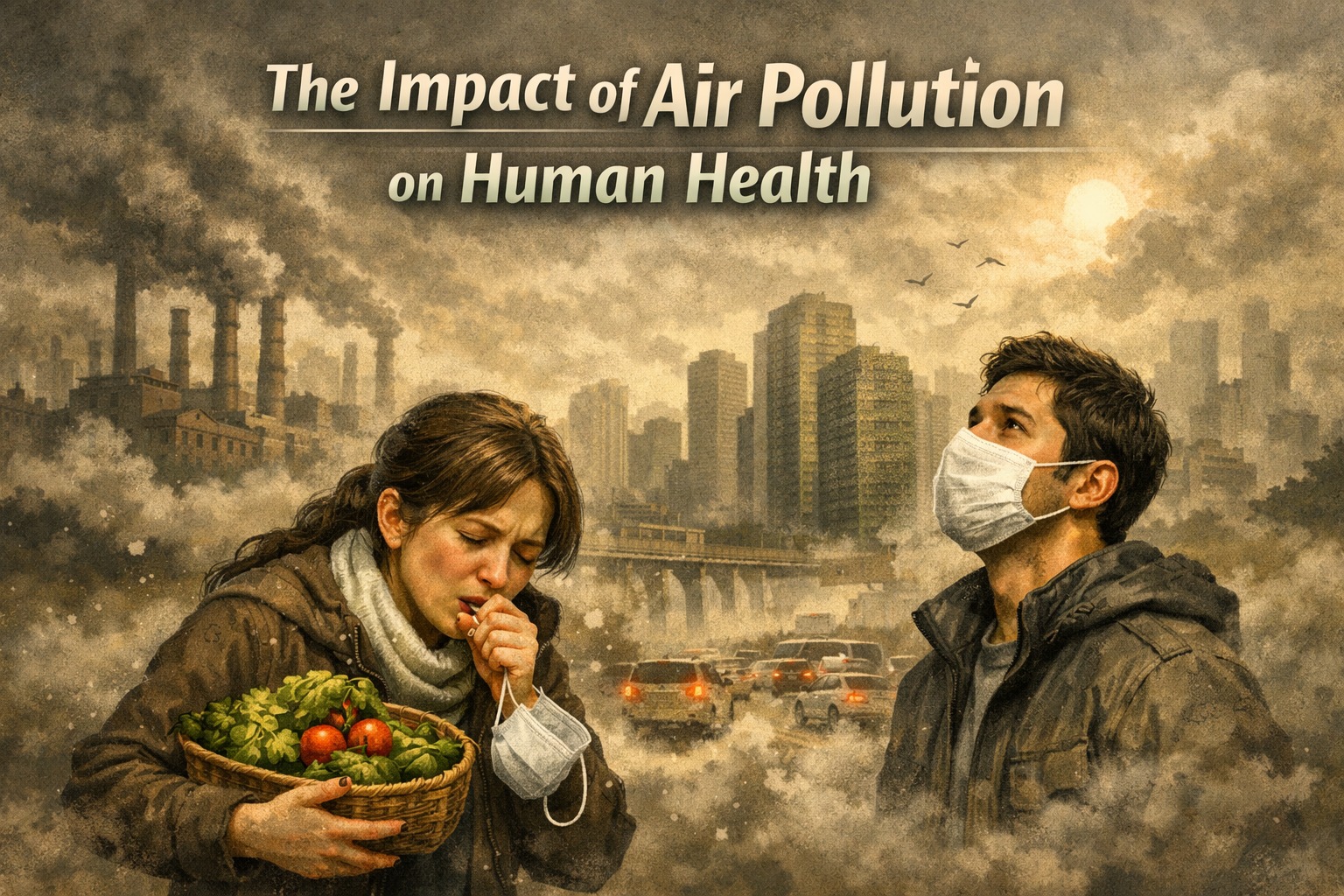
Air pollution has become one of the most pressing global health concerns of the modern era. As urbanization, industrial growth, and transportation continue to expand, the quality of the air we breathe is declining. Invisible yet dangerous, polluted air affects millions of people daily and contributes to a wide range of health problems. Understanding its impact is essential to protect both present and future generations.
WHAT IS AIR POLLUTION
Air pollution refers to the presence of harmful substances in the atmosphere that pose risks to human health and the environment. These pollutants may come from natural sources such as wildfires and volcanic eruptions, but most are generated by human activities.
Common air pollutants include particulate matter, carbon monoxide, sulfur dioxide, nitrogen oxides, and ozone. These substances can linger in the air and enter the human body through breathing, often without immediate visible signs of harm.
MAJOR SOURCES OF AIR POLLUTION
Air pollution is closely tied to everyday human activities. The main contributors include:
* Vehicle emissions from cars, motorcycles, and trucks
* Industrial processes and factory smoke
* Burning of fossil fuels for electricity
* Agricultural activities and waste burning
* Construction and urban development
In rapidly growing cities, these sources combine to create persistent smog and poor air quality that affects millions of residents.
HOW AIR POLLUTION ENTERS THE HUMAN BODY
When polluted air is inhaled, harmful particles travel through the respiratory system. Fine particles known as PM2.5 are particularly dangerous because they are small enough to penetrate deep into the lungs and even enter the bloodstream.
Once inside the body, these pollutants trigger inflammation, weaken the immune system, and damage vital organs over time.
SHORT TERM HEALTH EFFECTS
Exposure to polluted air can cause immediate health symptoms, especially in areas with high pollution levels. Common short-term effects include:
* Irritation of the eyes, nose, and throat
* Coughing and breathing difficulties
* Headaches and fatigue
* Worsening of asthma and allergies
Children, older adults, and people with pre-existing conditions are more vulnerable to these effects.
LONG TERM HEALTH RISKS
Long-term exposure to air pollution has serious and sometimes irreversible consequences. Studies have linked air pollution to several chronic diseases, including:
* Heart disease and stroke
* Chronic obstructive pulmonary disease
* Lung cancer
* Reduced lung development in children
* Increased risk of premature death
These risks highlight why air pollution is considered a silent but deadly threat.
IMPACT ON MENTAL HEALTH AND WELLBEING
While physical health impacts are widely discussed, air pollution also affects mental wellbeing. Research suggests that prolonged exposure may contribute to anxiety, depression, and cognitive decline.
Poor air quality can also reduce productivity, disrupt sleep, and lower overall quality of life. Clean air is therefore not only essential for physical health but also for emotional and mental balance.
ECONOMIC AND SOCIAL CONSEQUENCES
The health effects of air pollution extend beyond individuals and affect entire communities. Increased healthcare costs, reduced workforce productivity, and higher mortality rates create a heavy economic burden.
Developing countries often face the greatest challenges because rapid industrial growth can outpace environmental regulations and public health protections.
WAYS TO REDUCE AIR POLLUTION EXPOSURE
Although air pollution is a global problem, individuals can take steps to reduce their exposure and contribute to cleaner air:
* Use public transportation or carpool when possible
* Avoid outdoor activities during peak pollution hours
* Use indoor air purifiers and maintain ventilation
* Support renewable energy and sustainable practices
* Plant trees and support green spaces
Small actions, when adopted widely, can lead to meaningful improvements.
CONCLUSION
Air pollution is an invisible danger that affects nearly every aspect of human health. From respiratory issues to chronic diseases and mental health challenges, the impact is far-reaching. Addressing air pollution requires collective effort from governments, industries, and individuals. By raising awareness and taking action, we can move toward a healthier and more sustainable future.
About the Author
Gusti Ayu Tita P
Author — STEKOM University
An active author focused on academic issues, educational technology, and human resource development in the campus environment.















