The Impact Of Fake Products On The Market
Gusti Ayu Tita P
26 Agustus 2026
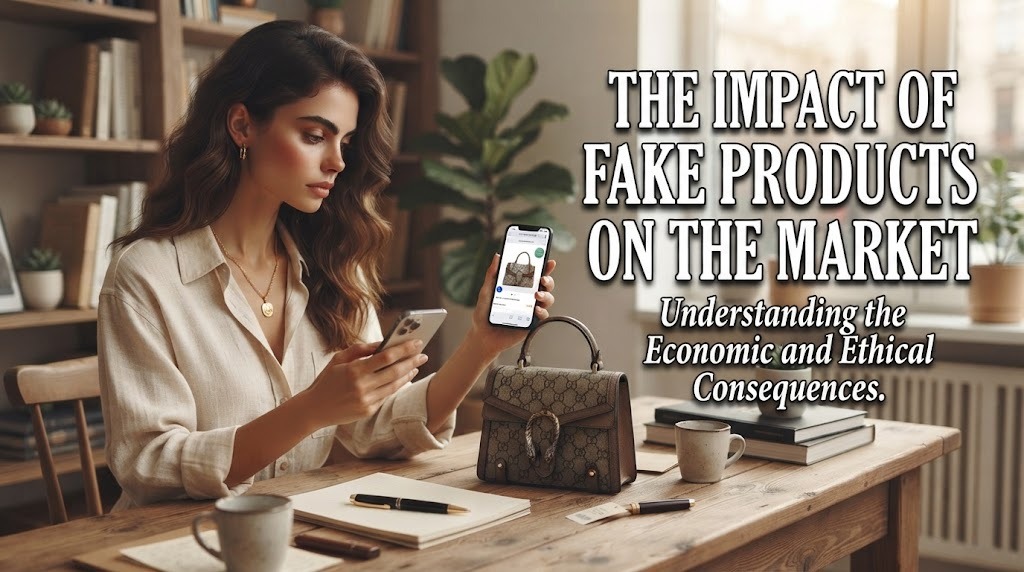
Fake products have become a serious issue in many markets around the world. These products are designed to imitate genuine goods and are often sold at lower prices to attract consumers. While cheap prices may seem beneficial for buyers, counterfeit products can create serious economic and business problems. They can affect legitimate companies, consumers, workers, governments, and the overall market environment. Understanding the impact of fake products on the market is important for making better purchasing decisions and supporting fair competition.
REDUCED SALES FOR ORIGINAL BRANDS
One of the most direct effects of fake products is reduced sales for genuine brands. When consumers purchase counterfeit goods instead of authentic products, legitimate companies may lose potential revenue. This problem can be particularly serious for businesses that invest heavily in product development, quality control, marketing, and customer service. Counterfeit sellers can offer similar-looking products at lower prices because they often do not carry the same costs. As a result, genuine businesses may face unfair competition.
The impact can become greater when counterfeit products become widely available. Consumers who are satisfied with cheaper imitations may have less reason to purchase genuine products in the future. Lower sales can affect a company's ability to invest in innovation and business expansion. In competitive industries, this can make it harder for legitimate brands to maintain their market position.
UNFAIR MARKET COMPETITION
A healthy market depends on businesses competing under reasonably fair conditions. Genuine companies must usually follow quality standards, legal requirements, tax obligations, and intellectual property rules. Counterfeit producers may ignore some of these responsibilities, allowing them to reduce their operating costs. This can create an unfair advantage because legitimate businesses have higher expenses while competing against cheaper imitations.
Unfair competition can discourage businesses from investing in new products and technologies. If companies believe their designs can quickly be copied and sold at lower prices, they may become more cautious about innovation. A market affected by widespread counterfeiting can therefore become less attractive to responsible businesses. Over time, this may reduce healthy competition and limit product development.
FINANCIAL LOSSES FOR BUSINESSES
Counterfeit products can cause financial losses beyond direct sales. Companies may need to spend additional money on brand protection, legal action, investigations, product authentication, and consumer education. These activities require employees, technology, professional services, and time. Smaller businesses may struggle more because they often have fewer resources to respond to counterfeit activity.
The financial impact can also extend to distributors and retailers. Authorized sellers may lose customers when cheaper fake products are available through other channels. In addition, businesses may need to handle complaints from consumers who mistakenly believe that a counterfeit product came from them. Protecting a brand from counterfeit activity can therefore become a significant business expense.
IMPACT ON JOBS AND LEGITIMATE BUSINESSES
The effects of counterfeit products can also reach workers. Genuine businesses create jobs in manufacturing, marketing, logistics, retail, customer service, research, and management. If counterfeit activity causes significant losses, affected companies may reduce investment, slow expansion, or cut certain business activities. This can indirectly influence employment opportunities.
At the same time, counterfeit markets may create informal economic activity that does not provide the same protections as legitimate employment. Workers may have fewer benefits, less job security, or limited workplace protections. A strong legitimate market generally provides a more stable foundation for long-term employment and economic growth.
DISTORTION OF MARKET PRICES
Fake products can make market prices more difficult for consumers to understand. Counterfeit sellers may offer extremely low prices because they use cheaper materials, avoid certain business expenses, or operate through unauthorized channels. This can create artificially low price expectations among consumers. Buyers may then believe that genuine products are overpriced even when their prices reflect legitimate production and business costs.
Price distortion can make it harder for consumers to compare products fairly. A genuine product and a counterfeit version may look similar but have very different levels of quality, support, and durability. Consumers should compare products based on authenticity, quality, warranty, and seller reliability rather than price alone. This helps create healthier purchasing decisions and supports legitimate businesses.
HOW CONSUMERS CAN HELP REDUCE THE PROBLEM
Consumers have an important role in reducing the demand for counterfeit products. Buyers can choose official stores, authorized sellers, and trusted marketplaces whenever possible. They should also check product packaging, seller information, serial numbers, warranties, and other available authentication features. Extremely low prices should be investigated rather than immediately treated as a good deal.
Consumers can also report suspicious listings and avoid reselling products that they suspect are counterfeit. Learning about the differences between genuine and fake products can reduce accidental purchases. Responsible purchasing decisions can reduce demand for counterfeit goods and encourage fair competition. When more consumers support legitimate products, businesses have stronger incentives to maintain quality and innovation.
CONCLUSION
The impact of fake products on the market extends far beyond the sale of an individual imitation. Counterfeit products can reduce genuine sales, create unfair competition, damage brand reputation, weaken consumer protection, reduce government revenue, and discourage innovation. Their effects can also reach workers, retailers, distributors, and other parts of the legitimate economy.
Reducing counterfeit activity requires cooperation between businesses, consumers, online marketplaces, and government authorities. Companies can strengthen authentication and brand protection, while authorities can enforce relevant laws and educate the public. Consumers can contribute by purchasing from reliable sources and reporting suspicious products. A market with stronger authenticity, fair competition, and consumer awareness is more likely to support sustainable economic growth.
About the Author
Gusti Ayu Tita P
Author — STEKOM University
An active author focused on academic issues, educational technology, and human resource development in the campus environment.