
The Impact Of Family Conflict On Child Development
Gusti Ayu Tita P
8 September 2026
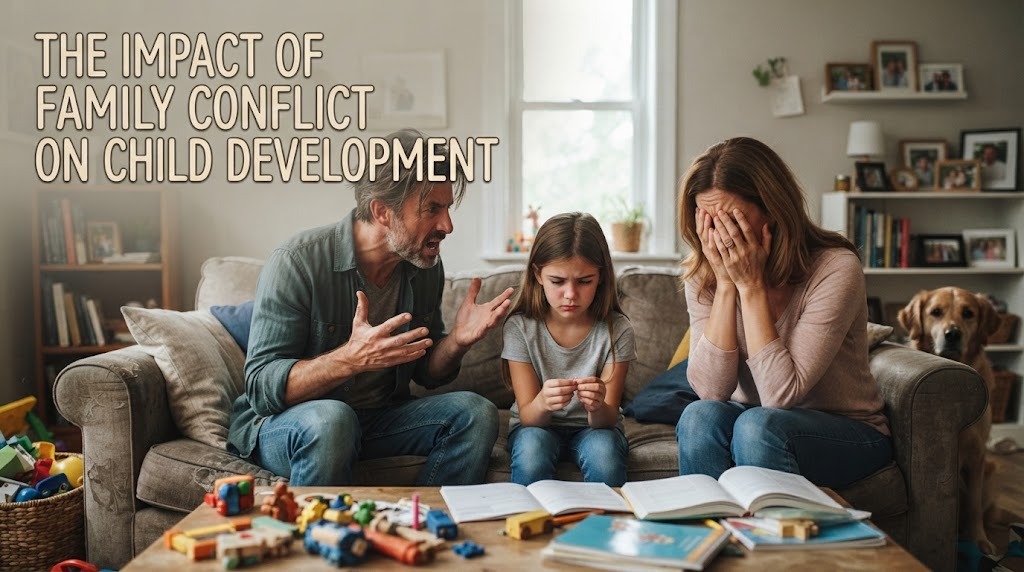
Family is an important environment for a child's growth and development. Children learn many things from the way family members communicate, solve problems, and treat one another. However, frequent or intense family conflict can create an uncomfortable environment and affect how children feel and behave. The impact can be different for every child depending on their age, personality, support system, and the nature of the conflict. Understanding these effects can help parents and caregivers create a safe and supportive family environment.
EMOTIONAL DEVELOPMENT CAN BE AFFECTED
Children may experience different emotions when they frequently witness arguments at home. They can feel sad, worried, afraid, confused, or insecure, especially when they do not understand why adults are fighting. Younger children may have difficulty explaining these feelings because they have limited emotional vocabulary. Older children may hide their emotions or become reluctant to talk about problems at home. If conflict continues for a long time, emotional stress may interfere with a child's ability to feel safe and emotionally stable.
CHILDREN MAY DEVELOP ANXIETY AND STRESS
Repeated family arguments can make children feel uncertain about what will happen next. They may become more alert to changes in their parents' voices, facial expressions, or behavior. This can lead to stress and anxiety, particularly when conflicts are intense or unpredictable. Some children may have difficulty concentrating, sleeping, or enjoying activities they normally like. A calm home environment and consistent support can help children feel more secure.
SOCIAL SKILLS CAN BE INFLUENCED
Children often learn social behavior by observing the people around them. When they regularly see shouting, insults, or aggressive communication, they may consider these behaviors normal ways to handle disagreements. Some children may become more aggressive, while others may withdraw and avoid social interactions. These patterns can affect their relationships with friends, teachers, and other people. Teaching children respectful communication and healthy conflict resolution can help them develop better social skills.
SELF ESTEEM MAY BE AFFECTED
Family conflict can sometimes make children question themselves, especially when they believe they are responsible for problems between adults. A child may think that they caused the argument or that they need to make everyone happy. These thoughts can contribute to low self esteem and feelings of guilt. Children need to understand that adult conflicts are generally not their responsibility to solve. Providing reassurance, affection, and positive encouragement can help protect their sense of self-worth.
ACADEMIC PERFORMANCE CAN CHANGE
Emotional stress at home can affect a child's ability to focus on school activities. Children who are worried about problems at home may find it difficult to concentrate on lessons, complete assignments, or participate in class. Over time, this pressure may contribute to lower academic performance in some children. However, not every child exposed to family conflict will experience academic difficulties. Support from parents, teachers, and other trusted adults can help children maintain healthy learning habits.
TRUST AND FAMILY RELATIONSHIPS MAY BE AFFECTED
Frequent conflict can change the way children view relationships and trust. If children repeatedly experience broken promises, harsh communication, or unpredictable behavior, they may become more cautious about trusting others. Some may fear that close relationships will eventually lead to arguments or rejection. Stable and consistent relationships can help children develop a stronger sense of trust. Parents can support this process by keeping promises when possible, listening to their children, and showing affection consistently.
CHILDREN MAY COPY UNHEALTHY CONFLICT BEHAVIORS
Children often learn by observing how adults respond to disagreements. If they regularly see people solving problems through shouting or blaming, they may copy these behaviors when dealing with their own conflicts. On the other hand, seeing adults communicate calmly, apologize, and compromise can teach children healthier ways to handle disagreements. Parents do not need to avoid every disagreement in front of their children. What matters is demonstrating that problems can be managed with respect and emotional control.
HOW PARENTS CAN REDUCE THE NEGATIVE IMPACT
Parents can help protect children by keeping serious arguments away from them whenever possible. When conflict happens, adults should avoid involving children, asking them to choose sides, or making them responsible for fixing the situation. Open conversations appropriate to the child's age can help them understand that the conflict is not their fault. Maintaining daily routines, spending quality time together, and providing emotional reassurance can also increase a child's sense of security. If family conflict becomes severe or persistent, professional family support may be helpful.
CONCLUSION
Family conflict can influence several areas of child development, including emotional well-being, social skills, self-esteem, learning, and relationships. The effects are not the same for every child and depend on factors such as the intensity and frequency of conflict and the support available to the child. Parents can reduce potential harm by using healthy communication, emotional control, reassurance, and respectful problem-solving. Children should never be expected to take responsibility for adult conflicts. By creating a safe and supportive environment, families can help children grow with greater confidence and emotional security.
About the Author
Gusti Ayu Tita P
Author — STEKOM University
An active author focused on academic issues, educational technology, and human resource development in the campus environment.















