
The Impact Of MBG On Students Concentration And Academic Performance
Gusti Ayu Tita P
20 Agustus 2026
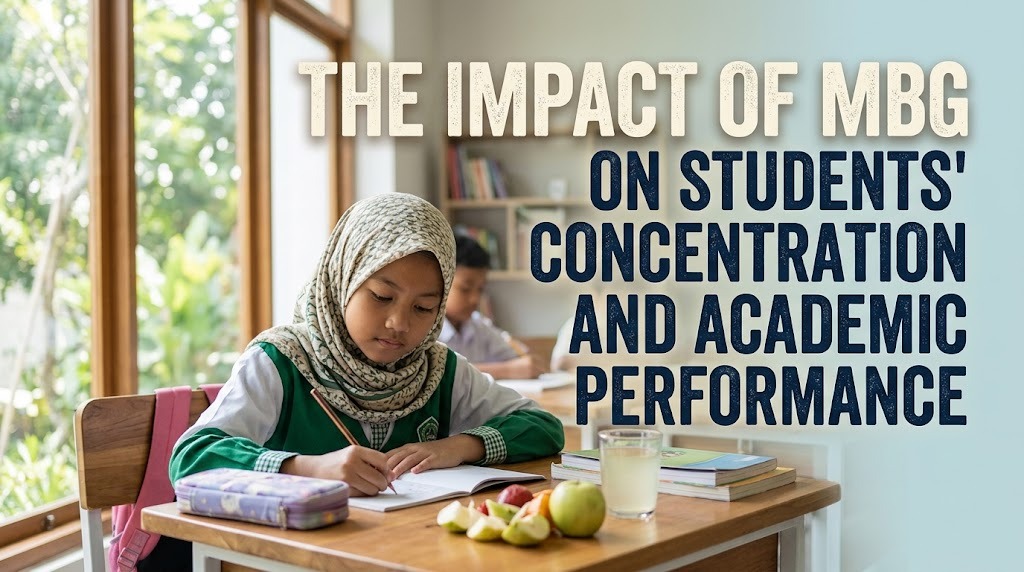
Makan Bergizi Gratis (MBG) is a government nutrition initiative designed to improve access to nutritious meals for targeted beneficiaries, including school students. Nutrition has an important relationship with children's energy, health, concentration, and learning readiness. Students need adequate nutrients to support both physical activities and mental processes during the school day. By providing nutritious meals, MBG has the potential to reduce hunger and improve students' nutritional intake. However, academic performance is influenced by many factors, so MBG should be viewed as one part of a broader educational and health strategy.
UNDERSTANDING THE CONNECTION BETWEEN NUTRITION AND LEARNING
The brain requires energy and essential nutrients to function properly. Students who do not consume enough food may experience hunger, tiredness, or reduced energy during lessons. These conditions can make it more difficult to remain focused, especially during long learning sessions. A balanced diet can provide the energy and nutrients needed to support normal brain function and daily activities.
Nutrition is not the only factor affecting academic performance, but it can create a better foundation for learning. Teaching quality, study habits, sleep, emotional wellbeing, family support, school conditions, and individual abilities also influence students' educational outcomes. Therefore, MBG should complement other efforts to improve education. Its potential impact is strongest when nutrition and education programs work together.
HOW MBG CAN SUPPORT STUDENT CONCENTRATION
One potential benefit of MBG is helping students avoid hunger during school hours. Hunger can be distracting and may reduce a student's ability to participate actively in classroom activities. A nutritious meal can provide energy that supports attention and physical activity. Students who are not distracted by hunger may have better opportunities to focus on lessons.
The composition of the meal is also important. Meals containing appropriate amounts of carbohydrates, protein, healthy fats, vitamins, and minerals can provide a more balanced nutritional intake than meals dominated by one food group. Adequate hydration is also important for normal physical and cognitive function. Therefore, the effectiveness of MBG depends not only on providing food but also on maintaining appropriate nutritional quality.
THE ROLE OF NUTRITION IN BRAIN FUNCTION
Good nutrition supports normal brain development and function, particularly during childhood and adolescence. Nutrients such as protein, iron, iodine, zinc, and several vitamins play important roles in normal growth and biological processes. When children receive adequate nutrition, their bodies have better resources to support healthy development. This can contribute to the conditions needed for effective learning.
However, nutrition should not be presented as a guarantee of higher intelligence or academic achievement. Students have different educational needs and experiences. A nutritious meal may support learning readiness and concentration, but it cannot replace effective teaching, sufficient study time, or a supportive learning environment. Understanding this distinction helps ensure that MBG is evaluated realistically.
MBG AND STUDENT ENERGY LEVELS
Students need enough energy to participate in classes, physical education, extracurricular activities, and social interactions. Inadequate food intake can contribute to fatigue and reduced activity. Providing a nutritious meal during the school day can help students obtain additional energy and nutrients. This may help them remain active and engaged in school activities.
Energy requirements vary according to age, body size, activity level, and other individual factors. Therefore, meal planning should consider appropriate nutritional standards rather than assuming that one menu is suitable for every student. Balanced and varied menus can help provide a wider range of nutrients. Regular monitoring can also help identify whether the program is meeting its intended nutritional objectives.
POTENTIAL IMPACT ON ACADEMIC PERFORMANCE
Improved nutrition may contribute indirectly to academic performance by supporting health, energy, and concentration. When students feel physically prepared for learning, they may be better able to participate in classroom activities. Reduced hunger can also remove one potential barrier to learning. These factors can create more favorable conditions for students to complete educational tasks.
Nevertheless, academic performance is complex and cannot be attributed to MBG alone. Attendance, teaching methods, learning motivation, access to educational resources, parental support, and study habits can have significant effects on academic results. Any assessment of MBG should therefore consider multiple indicators rather than examination scores alone. This approach provides a more accurate picture of the program's educational impact.
REDUCING HUNGER DURING SCHOOL HOURS
For some students, school may be an important place to receive additional food during the day. School meals can help address short-term hunger and provide a source of nutrients for eligible students. Having access to food can make it easier for children to participate in lessons and physical activities. This is particularly relevant for students who may experience challenges in accessing adequate food at home.
Reducing hunger can also support a more comfortable classroom environment. Students may be less distracted by physical discomfort related to hunger and may have more energy for schoolwork. However, MBG should not be considered a replacement for adequate meals throughout the day. Breakfast, dinner, healthy snacks when appropriate, and sufficient water remain important parts of a child's overall diet.
SUPPORTING HEALTH AND SCHOOL PARTICIPATION
Adequate nutrition contributes to general health and normal immune function. Healthier nutritional conditions may support children's ability to participate consistently in school activities. Frequent illness can interfere with attendance and reduce opportunities to learn. For this reason, nutrition can have an indirect relationship with educational participation.
MBG can become more effective when combined with other school health initiatives. Schools can promote personal hygiene, clean water, physical activity, nutrition education, and healthy lifestyle habits alongside meal provision. These measures address several factors that influence children's wellbeing. A healthy student is more likely to have the physical foundation needed to participate in education.
THE IMPORTANCE OF NUTRITION EDUCATION
MBG can also serve as an opportunity to teach students about healthy food choices. Children can learn about different food groups and understand why their bodies need a variety of nutrients. Schools can connect meal programs with classroom discussions about nutrition and healthy lifestyles. This can make nutrition education more practical and easier for students to understand.
Nutrition education may also influence habits beyond the school environment. Students can share what they learn with parents and family members. Over time, greater awareness may encourage healthier food choices at home. In this way, MBG can have benefits that extend beyond the meal provided at school.
CHALLENGES IN MAXIMIZING THE IMPACT OF MBG
The potential benefits of MBG depend heavily on food quality, safety, consistency, and effective implementation. Meals need to be prepared and distributed using appropriate hygiene and food safety practices. Nutritional standards should also be maintained so that meals provide meaningful nutritional value. Poor food quality or unsafe handling could reduce the benefits of the program and create health risks.
Another challenge is evaluating whether MBG directly improves academic outcomes. Academic performance changes for many reasons, making it difficult to isolate the effect of one intervention. Reliable data, regular monitoring, and long-term evaluation are therefore important. Researchers and policymakers can use indicators such as attendance, concentration, dietary intake, nutritional status, and academic progress to understand the program's broader impact.
MBG AS PART OF A BROADER EDUCATIONAL STRATEGY
MBG should be understood as a nutrition support program that can complement education policy. Providing meals alone cannot solve every challenge faced by students. Schools also need qualified teachers, appropriate learning materials, safe facilities, and supportive educational environments. Combining nutritional support with quality education can create stronger conditions for student development.
The long-term goal is to help children become healthy, capable, and ready to learn. When students receive adequate nutrition and quality education at the same time, they have greater opportunities to develop their abilities. Cooperation between schools, families, health professionals, communities, and government institutions is essential. Such collaboration can make the benefits of MBG more sustainable.
CONCLUSION
MBG has the potential to support students' concentration and academic readiness by improving access to nutritious meals and reducing hunger during school hours. Adequate nutrition can support energy, normal brain function, general health, and participation in learning activities. However, academic performance is influenced by many factors, so MBG should not be considered the sole cause of improved grades. Food quality, nutrition education, school support, family involvement, and continuous evaluation are essential for maximizing its benefits. With effective implementation, MBG can become a valuable part of efforts to create healthier students and a stronger learning environment.
About the Author
Gusti Ayu Tita P
Author — STEKOM University
An active author focused on academic issues, educational technology, and human resource development in the campus environment.















