The Impact of Ministry of Finance Policies on Indonesian Society
Gusti Ayu Tita P
1 Agustus 2026
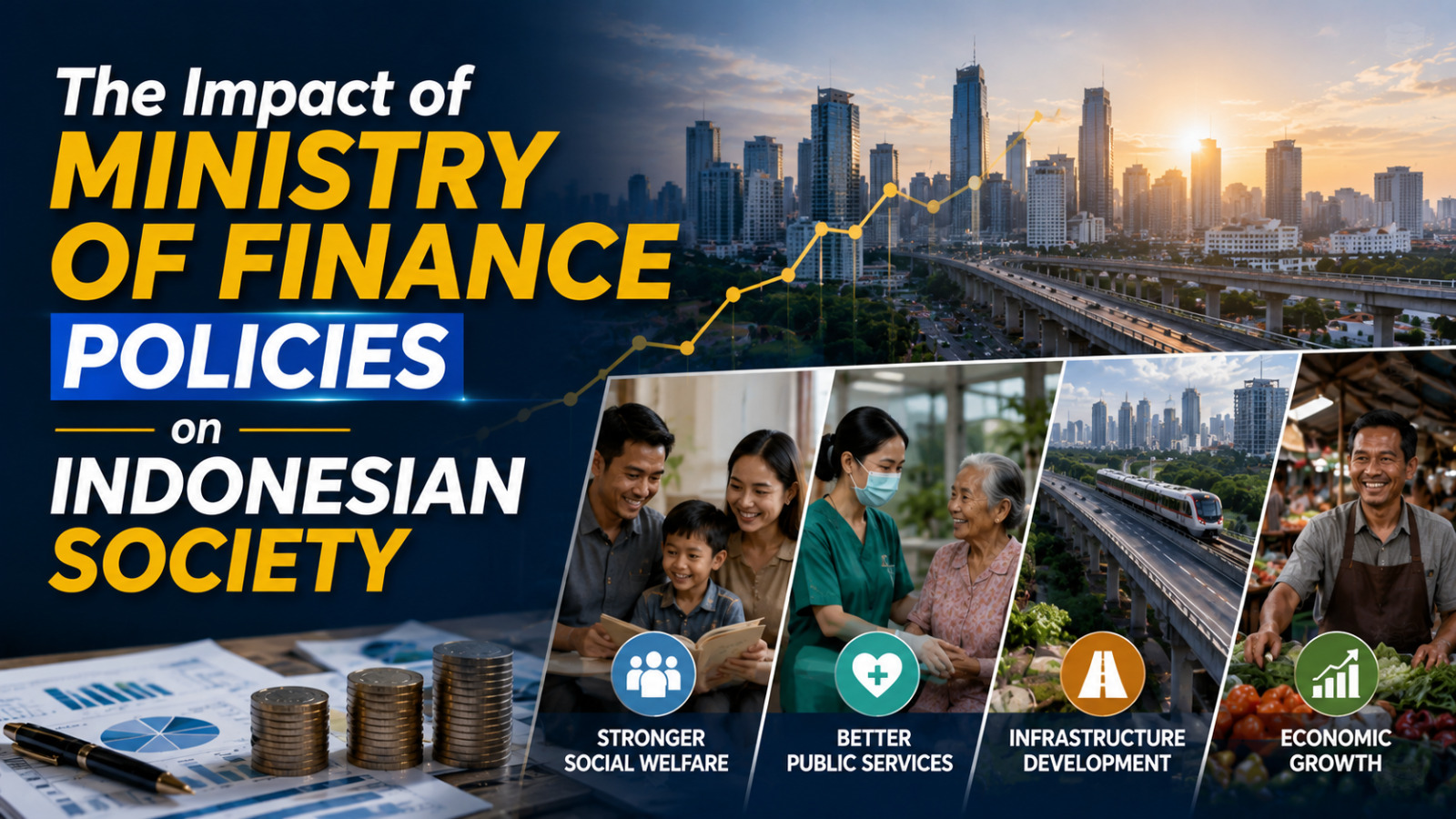
The Ministry of Finance plays a vital role in shaping Indonesia's economy through policies that influence public welfare, economic stability, and national development. Its fiscal decisions affect various aspects of daily life, from education and healthcare to infrastructure and social assistance. By managing public finances responsibly, the ministry ensures that government resources are used to improve the quality of life for all Indonesians.
Through effective financial governance, the Ministry of Finance continues to create policies that support sustainable growth while protecting the country's economic stability. These policies benefit both individuals and businesses across Indonesia.
IMPROVING PUBLIC WELFARE
One of the most significant impacts of the Ministry of Finance is improving public welfare through strategic government spending. Budget allocations support essential sectors such as education, healthcare, housing, and social protection programs. These investments help communities gain better access to quality public services and improve living standards. Financial assistance programs also provide support for vulnerable groups during economic challenges. As a result, government policies contribute to a more inclusive and equitable society.
Continuous investment in public services strengthens human development and creates greater opportunities for future generations. Better welfare programs also promote long-term social stability.
SUPPORTING ECONOMIC STABILITY
The Ministry of Finance develops fiscal policies that help maintain economic stability during both favorable and challenging conditions. Responsible management of the State Budget supports controlled inflation, sustainable government spending, and healthy economic growth. Stable financial policies also encourage investment and strengthen business confidence. These factors contribute to increased employment opportunities and stronger national productivity. A stable economy benefits individuals, businesses, and communities alike.
Regular policy adjustments allow the ministry to respond effectively to domestic and global economic changes. This flexibility strengthens Indonesia's economic resilience.
ENHANCING PUBLIC SERVICES
Government financial policies directly improve the quality of public services across Indonesia. The Ministry of Finance allocates funds for infrastructure development, education, healthcare, and digital government services. Better public facilities improve accessibility, increase efficiency, and support regional development. Digital transformation also makes government services faster and more convenient for citizens. These improvements contribute to higher public satisfaction and stronger national competitiveness.
Efficient financial management ensures that public resources produce long-term benefits. Sustainable investment continues to improve the overall quality of government services.
ENCOURAGING SUSTAINABLE NATIONAL DEVELOPMENT
The Ministry of Finance supports sustainable development by ensuring that financial resources are used responsibly and efficiently. Fiscal policies encourage investment, business growth, and environmental sustainability while maintaining long-term financial stability. Responsible budget management helps balance economic development with social and environmental priorities. This approach creates lasting benefits for both present and future generations. Sustainable financial governance remains a key foundation for Indonesia's continued progress.
The ministry also strengthens transparency and accountability to improve the effectiveness of government programs. Good governance supports sustainable national development and public trust.
CONCLUSION
The Ministry of Finance has a significant impact on Indonesian society through policies that improve public welfare, maintain economic stability, enhance public services, and support sustainable development. Responsible financial management enables the government to deliver better services while strengthening the national economy. Through effective fiscal governance, the ministry continues to contribute to Indonesia's long-term prosperity.
About the Author
Gusti Ayu Tita P
Author — STEKOM University
An active author focused on academic issues, educational technology, and human resource development in the campus environment.