The Impact Of Rising Fuel Prices On People’s Daily Lives
Gusti Ayu Tita P
10 Agustus 2026
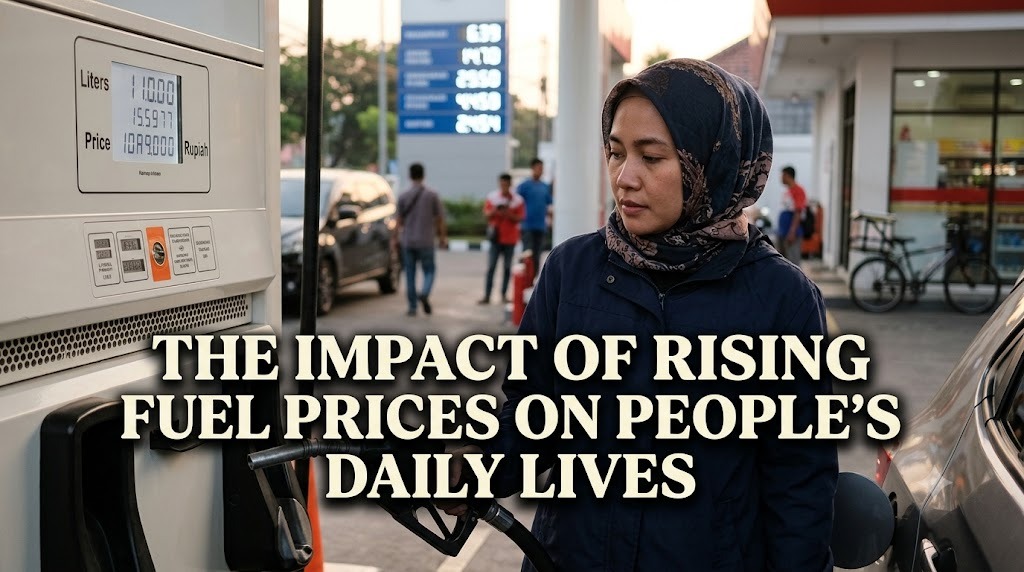
Fuel is an important part of modern life because it supports transportation, business activities, and the movement of goods. When fuel prices rise, the effects can be felt not only by vehicle owners but also by households, workers, businesses, and consumers. Higher fuel costs can gradually influence the prices of many goods and services.
The impact of rising fuel prices can vary depending on income, location, transportation options, and household needs. People who depend heavily on private vehicles may experience a greater increase in daily expenses. Understanding these effects can help individuals and families make better financial decisions.
HIGHER DAILY TRANSPORTATION COSTS
One of the most direct effects of rising fuel prices is an increase in transportation costs. People who use cars or motorcycles for work, school, shopping, or other activities need to spend more money when refueling. For households with limited budgets, even a small increase in fuel prices can affect their monthly spending.
Workers who travel long distances may experience a greater financial burden because they need fuel more frequently. Some people may respond by reducing unnecessary trips or choosing alternative transportation. Public transportation, cycling, walking, and carpooling can become more attractive when fuel becomes more expensive.
INCREASED PRICES OF GOODS AND SERVICES
Rising fuel prices can affect the cost of transporting products from producers to consumers. Businesses often depend on trucks, motorcycles, ships, or other forms of transportation to move raw materials and finished products. When transportation becomes more expensive, some businesses may pass part of the additional cost to consumers.
As a result, product prices may increase in sectors that rely heavily on transportation. Food, household supplies, and other daily necessities can become more expensive when distribution costs rise. However, the size of the price increase depends on many factors, including transportation distance, business costs, supply conditions, and market competition.
CHANGES IN HOUSEHOLD BUDGETS
Higher fuel prices can force families to reconsider how they manage their money. When more income is used for fuel and transportation, less money may remain for other needs such as food, education, entertainment, or savings. This can be particularly challenging for households with limited or fixed incomes.
Families may need to create a more careful household budget to control spending. They can prioritize essential expenses and reduce unnecessary travel or purchases. Planning trips more efficiently and combining several activities into one journey can also help reduce fuel-related expenses.
EFFECTS ON WORKERS AND COMMUTERS
People who commute every day can be strongly affected by higher fuel costs. Employees who travel long distances may spend a larger portion of their income on transportation. This can reduce their effective disposable income even when their salary remains unchanged.
Some workers may consider using public transportation, sharing rides, or working closer to home when possible. Employers may also consider flexible work arrangements where appropriate. These changes can help reduce the financial pressure caused by higher commuting costs.
IMPACT ON BUSINESSES AND SMALL ENTERPRISES
Businesses are also affected when fuel prices increase. Companies that depend on transportation may face higher delivery, logistics, and operating expenses. Small businesses can be especially sensitive because they may have fewer resources to absorb sudden increases in costs.
Some businesses may respond by improving delivery routes, reducing unnecessary travel, or adjusting their prices. Businesses that manage transportation efficiently may be better able to control their expenses. In the long term, higher fuel costs can encourage companies to explore fuel efficient vehicles and alternative energy solutions.
CHANGES IN CONSUMER BEHAVIOR
When fuel prices rise, consumers often become more careful about their spending. People may reduce unnecessary driving, combine shopping trips, or choose products and services that are available closer to home. Some consumers may also compare prices more carefully before making purchases.
Changes in consumer behavior can influence businesses and the wider economy. Companies may need to adapt their products, delivery methods, or pricing strategies to changing customer needs. This demonstrates how fuel prices can influence economic decisions beyond transportation.
EFFECTS ON PUBLIC TRANSPORTATION
Higher fuel prices can affect public transportation systems because buses and other fuel-powered vehicles also require energy to operate. If operating expenses increase significantly, transportation providers may face pressure to adjust fares or find ways to reduce costs.
At the same time, more people may choose public transportation because it can be cheaper than using a private vehicle. This can increase demand for buses, trains, and other shared transportation services. Efficient public transportation can therefore become increasingly important when fuel prices remain high.
INFLUENCE ON SAVINGS AND FINANCIAL PLANNING
Rising fuel costs can make it more difficult for some households to maintain their savings goals. When transportation expenses increase, families may have less money available for emergency funds, investments, or long-term plans. This can create additional financial pressure over time.
People can respond by reviewing their spending habits and identifying expenses that can be reduced. Setting a realistic budget and monitoring monthly expenses can make it easier to manage changing fuel costs. Preparing an emergency fund can also provide greater financial stability when essential expenses increase.
HOW PEOPLE CAN ADAPT TO RISING FUEL PRICES
There are several practical ways to reduce the impact of higher fuel prices. Drivers can maintain their vehicles regularly, keep tires properly inflated, avoid unnecessary idling, and use smooth driving techniques. These habits can help improve fuel efficiency and reduce fuel consumption.
People can also consider alternatives such as public transportation, carpooling, walking, cycling, or combining multiple errands into one trip. For longer-term planning, choosing a fuel-efficient or energy-efficient vehicle may reduce transportation expenses. The best solution depends on each person's financial situation, location, and transportation needs.
CONCLUSION
Rising fuel prices can have a broad impact on people's daily lives. The effects can include higher transportation costs, increased prices of some goods and services, changes in household budgets, and greater financial pressure on workers and businesses.
However, people can reduce some of these effects through careful financial planning and more efficient transportation choices. Reducing unnecessary fuel consumption, maintaining vehicles properly, and considering alternative transportation can help households manage rising costs. Understanding how fuel prices influence daily expenses allows people to make smarter and more sustainable decisions.
About the Author
Gusti Ayu Tita P
Author — STEKOM University
An active author focused on academic issues, educational technology, and human resource development in the campus environment.